Ethiopia cuts Bitcoin miners’ power by 77% amid hydropower shortage: Report
Ethiopia has drastically cut electricity supply to Bitcoin miners, reducing it to 23% of contracted levels due to severe hydropower shortages exacerbated by El Niño. This measure prioritizes power for households and manufacturers, despite Bitcoin miners contributing signi…
Intelligence analysis by Gemini 2.5 Flash
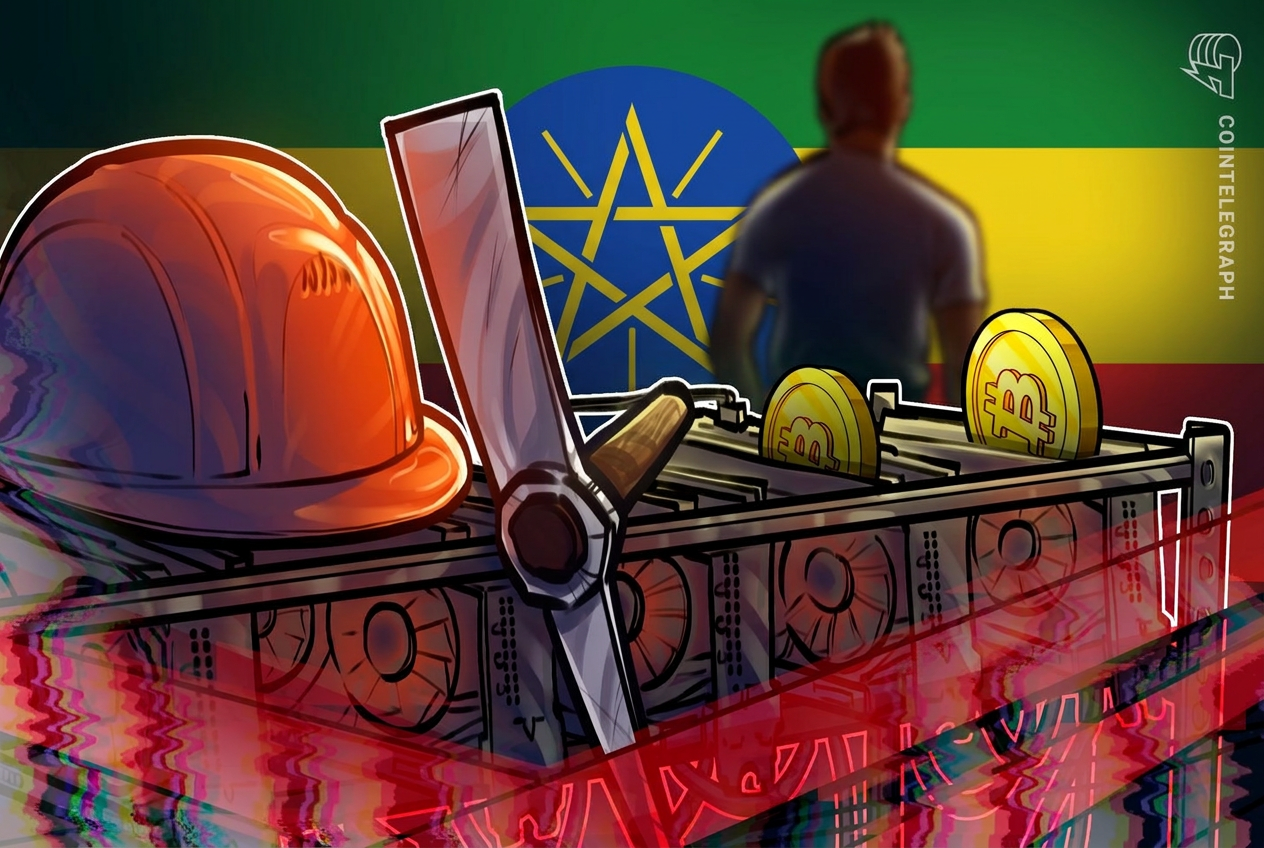
Ethiopia's state-owned power producer, Ethiopian Electric Power (EEP), has implemented substantial power reductions for Bitcoin mining operations, citing a 20% decrease in water inflows to its hydroelectric reservoirs. The decision, which sees power deliveries drop to 23% of agreed-upon amounts, aims to secure electricity for essential services and industries, underscoring the vulnera…
Imagine Ethiopia is like a big house that gets its electricity from a giant water wheel, like a big toy spinning in a river. But because of a dry spell, the river isn't flowing as much, so the water wheel can't make as much power. Now, there are some special computers that use a lot of this power to solve puzzles and earn digital money called Bitcoin. Since there isn't enough power for everyone, the grown-ups in charge decided to give less power to these puzzle-solving computers so that families can still have lights and factories can keep making things. They'll check again later to see if the river gets fuller.
Analysis
The recent decision by Ethiopia to cut power to Bitcoin miners by 77% underscores a growing tension between energy-intensive cryptocurrency operations and national energy security, particularly in regions susceptible to climate-related resource scarcity. While Ethiopia's inexpensive hydropower has attracted international mining firms, the current drought conditions, intensified by El Niño, have forced the government to re-evaluate its energy allocation priorities. This move could set a precedent for other nations facing similar environmental or energy supply challenges, potentially reshaping the global landscape of Bitcoin mining.
Ethiopian Electric Power
Ethiopian Electric Power (EEP), the state-owned utility, has been at the center of this development, making the difficult decision to reduce power to Bitcoin miners. EEP CEO Ashebir Balcha stated that the company initially cut deliveries to 75% of contracted levels, further easing them to 50%, and ultimately to 23%. This drastic reduction was necessary to prioritize electricity for households and manufacturers, which are considered essential services for the nation's populace and industrial output. The utility's reliance on hydropower makes it particularly vulnerable to fluctuations in water inflows, which have reportedly decreased by 20%.
Despite the cuts, Bitcoin miners were a significant revenue source for EEP, accounting for 35% of its revenue in the last fiscal year and consuming nearly one-third of Ethiopia's total electricity output. This financial contribution highlights the economic dilemma faced by the utility: balancing lucrative contracts with national energy needs during a crisis. EEP plans to reassess conditions in October, with the possibility of further reductions or even restricting electricity exports to neighboring countries, indicating the severity of the ongoing power shortage.
El Niño
The intensification of El Niño conditions has played a critical role in Ethiopia's current hydropower crisis. The weather phenomenon has exacerbated dry conditions in the East African country, leading to a significant reduction in water inflows into its reservoirs. This environmental factor directly impacts the capacity of Ethiopia's hydroelectric dams, which are the primary source of the nation's electricity. The 20% reduction in water inflows directly correlates with the need for EEP to curtail power to non-essential, high-consumption industries like Bitcoin mining.
The impact of El Niño serves as a stark reminder of how global climate patterns can directly influence localized economic activities, including the highly globalized Bitcoin mining industry. Miners who have invested heavily in regions with abundant and cheap renewable energy, such as Ethiopia's hydropower, face substantial operational risks when these environmental conditions shift. This situation underscores the importance of geographical diversification and resilience planning for mining operations to mitigate climate-related disruptions.
Saifedean Ammous
Economist and author Saifedean Ammous has offered a broader perspective on the challenges facing global Bitcoin mining, suggesting that electricity consumption and capital expenditure may have peaked between 2024 and 2025. Ammous argues that Bitcoin's price would need to increase by more than 18.92% annually just to maintain the dollar value of newly mined coins, even before accounting for dollar depreciation. This analysis is particularly relevant given Bitcoin's halving mechanism, which reduces mining rewards by half approximately every four years, making profitability increasingly dependent on price appreciation or efficiency gains.
Furthermore, Ammous cited growing competition from artificial intelligence (AI) data centers as another significant pressure point for Bitcoin miners. AI data centers offer an alternative and potentially more lucrative way for energy providers to monetize their electricity connections and infrastructure. This competition could drive up electricity costs or divert available power away from mining operations, especially in regions with limited energy surplus. The economist's hypothesis, while testable, suggests a potential long-term trend of contraction in Bitcoin mining unless there's a substantial recovery in metrics like transaction fees or a sustained price rally.
Key points
- Ethiopia has cut electricity supply to Bitcoin miners to 23% of contracted levels due to a hydropower shortage.
- The power reduction is a result of a 20% decrease in water inflows to reservoirs, intensified by El Niño.
- Ethiopian Electric Power (EEP) prioritized power for households and manufacturers over Bitcoin mining.
- Bitcoin miners accounted for 35% of EEP's revenue and consumed nearly one-third of Ethiopia's electricity last fiscal year.
- Economist Saifedean Ammous suggests global Bitcoin mining electricity consumption may have peaked due to halving economics and competition from AI data centers.
If the dry conditions improve and water inflows to Ethiopia's reservoirs increase, EEP could reassess the situation in October and potentially restore power to Bitcoin miners. This would allow mining operations to resume full capacity, leveraging the country's inexpensive hydropower and contributing to EEP's revenue once more.
The ongoing hydropower shortage could worsen, leading to further power reductions or even a complete halt for Bitcoin miners in Ethiopia. This would force miners to seek alternative, potentially more expensive, energy sources or relocate, impacting their profitability and potentially centralizing Bitcoin's hash rate in regions with more stable energy supplies.