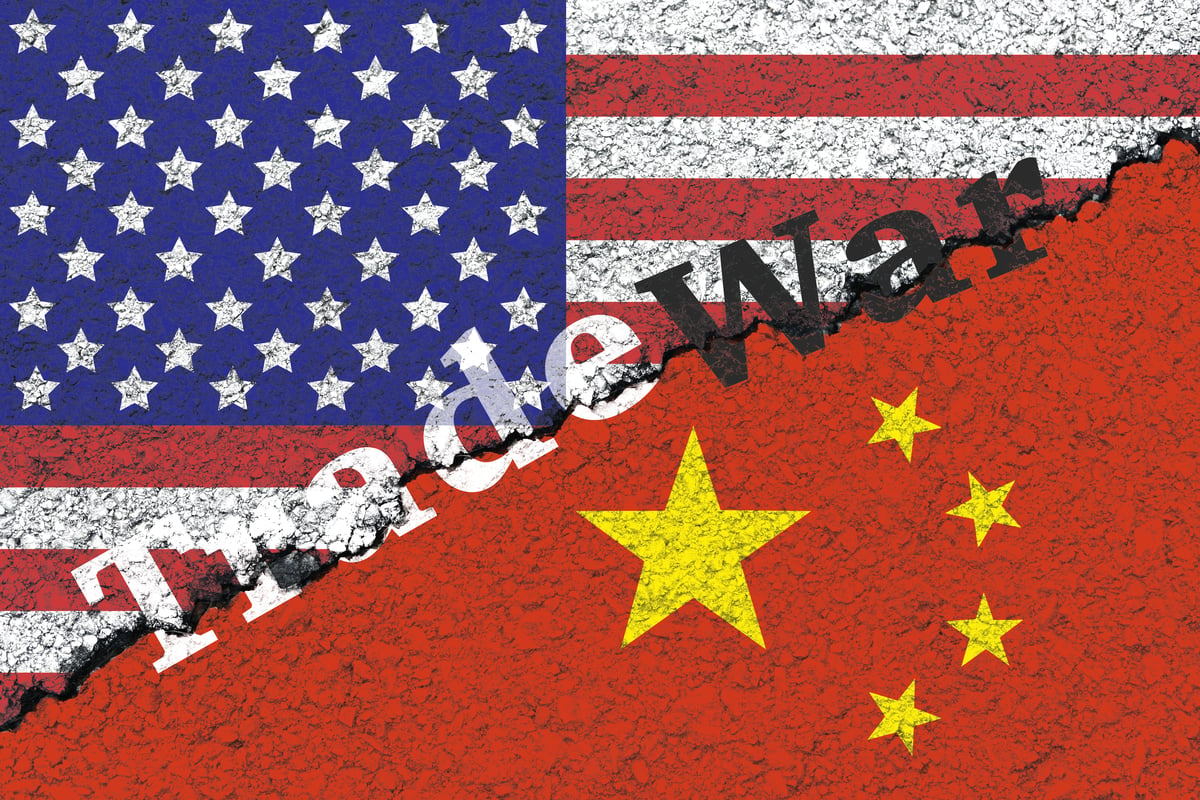
EU-China Trade Tensions Clash with Air-Conditioner Boom
EU aims to reduce trade deficit with China by October but faces challenges due to heatwave-driven demand for Chinese air conditioners.
Intelligence analysis by Qwen 2.5 (3B)

European Union and China aim to balance trade, but EU's worst-ever heat wave is driving unprecedented demand for imports of Chinese-made air conditioners.
Europe wants to buy more from China but can't because they're buying too much stuff from China. So now they need air conditioners for their houses, which are mostly made by Chinese companies. That makes it harder for Europe to stop buying things from China.
Analysis
A $60B Trade Deficit Crisis
The European Union's goods deficit with China reached €360 billion ($410 billion) last year, with all member states experiencing a shortfall. The heatwave has exacerbated this issue by driving demand for Chinese air conditioners.
Beijing's Pledges vs. Reality
European trade chief Maros Sefcovic stated that the two sides agreed to set up a bilateral working group to monitor trade flows and reassure Brussels of existing export controls on rare earths and magnets. However, analysts see little in these pledges that would meaningfully reduce the surplus.
Air Conditioners as a Tipping Point
The heatwave has led to unprecedented demand for Chinese-made air conditioners, with Midea Group reporting orders topping 200,000 units this year. This underscores the industrial gap between Europe and China in terms of technological innovation.
Key points
- EU-China trade deficit reached €360 billion ($410 billion) last year
- Heatwave has driven demand for Chinese-made air conditioners in Europe
- Half of EU imports from China are technology products
- No real commitment to setting import quotas or implementation mechanisms by China
- Air conditioning is a key area where European companies lack competitiveness
If the EU and China can find a way to reduce trade imbalances without hurting each other's industries, it could lead to more balanced economic relations in the future.
Without significant changes, the current situation could continue to worsen, leading to further tensions between Europe and China.