EU Hits Russia with Massive 21st Sanctions Package Targeting $120B Crypto Network
The European Union has released a 21st sanctions package against Russia that includes crypto banks against 14 companies. The latest package widens a transaction ban to 14 crypto-related platforms in countries including Georgia, the UAE, and Panama, and introduces a tool t…
Intelligence analysis by Llama
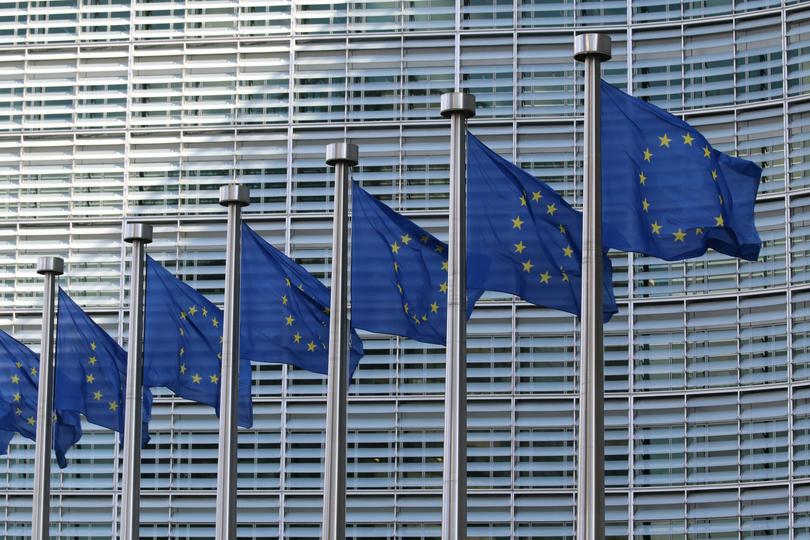
The EU has expanded its Russia sanctions to target the A7 cross-border payments network, including its new links to Africa, and the A7A5 stablecoin used for sanctions evasion. The latest package also includes a ban on third-country crypto services providers for the first time.
Imagine you're playing a game where you can move money around the world. The EU is trying to stop Russia from playing this game by banning certain companies and networks that help them move money. This is like a big game of financial chess, and the EU is trying to checkmate Russia's ability to play.
Analysis
A $60B Vote of Confidence
The EU's 21st sanctions package against Russia is a significant escalation of the bloc's efforts to restrict Russia's access to the global financial system. The package includes a ban on third-country crypto services providers, which could have far-reaching implications for the global cryptocurrency market. The EU is also targeting 14 crypto companies, which it has not named yet, and is considering a ban on the A7 cross-border payments network, including its new links to Africa.
Why the A7 Network Matters
The A7 network is a significant player in the global cryptocurrency market, with nearly $120 billion in transactions processed to date. The network is purposely built for Russia's sanctions evasion, and the EU's ban on the A7 network could have significant implications for Russia's ability to access the global financial system.
The Road Ahead
The EU's sanctions package is a significant escalation of the bloc's efforts to restrict Russia's access to the global financial system. The package includes a ban on third-country crypto services providers, which could have far-reaching implications for the global cryptocurrency market. The EU is also targeting 14 crypto companies, which it has not named yet, and is considering a ban on the A7 cross-border payments network, including its new links to Africa.
Key points
- The EU has released a 21st sanctions package against Russia that includes crypto banks against 14 companies.
- The package widens a transaction ban to 14 crypto-related platforms in countries including Georgia, the UAE, and Panama.
- The EU is introducing a tool that could allow a full ban on crypto-asset services used by Russia.
- The package includes a ban on third-country crypto services providers for the first time.
If the EU's sanctions package is successful, it could lead to a significant reduction in Russia's ability to access the global financial system. This could have a positive impact on the global economy, particularly for countries that have been affected by Russia's actions.
However, the EU's sanctions package could also have unintended consequences, such as driving Russia to develop its own domestic cryptocurrency market. This could lead to a loss of control for the EU and other countries, and could potentially create new challenges for the global financial system.
Market signals
- Gold Escalation drives safe-haven demand for gold, per the article's framing of investor reaction.
- Crude Oil Supply-route risk from the reported conflict pushes oil prices higher.
AI-generated analysis of potential market relevance. Not financial advice.