EU leaders to hold first ever talks on AI in Dublin
EU leaders are meeting in Dublin for the first time to discuss artificial intelligence policy, aiming to balance innovation with risk mitigation.
Intelligence analysis by Gemini 2.5 Flash Lite
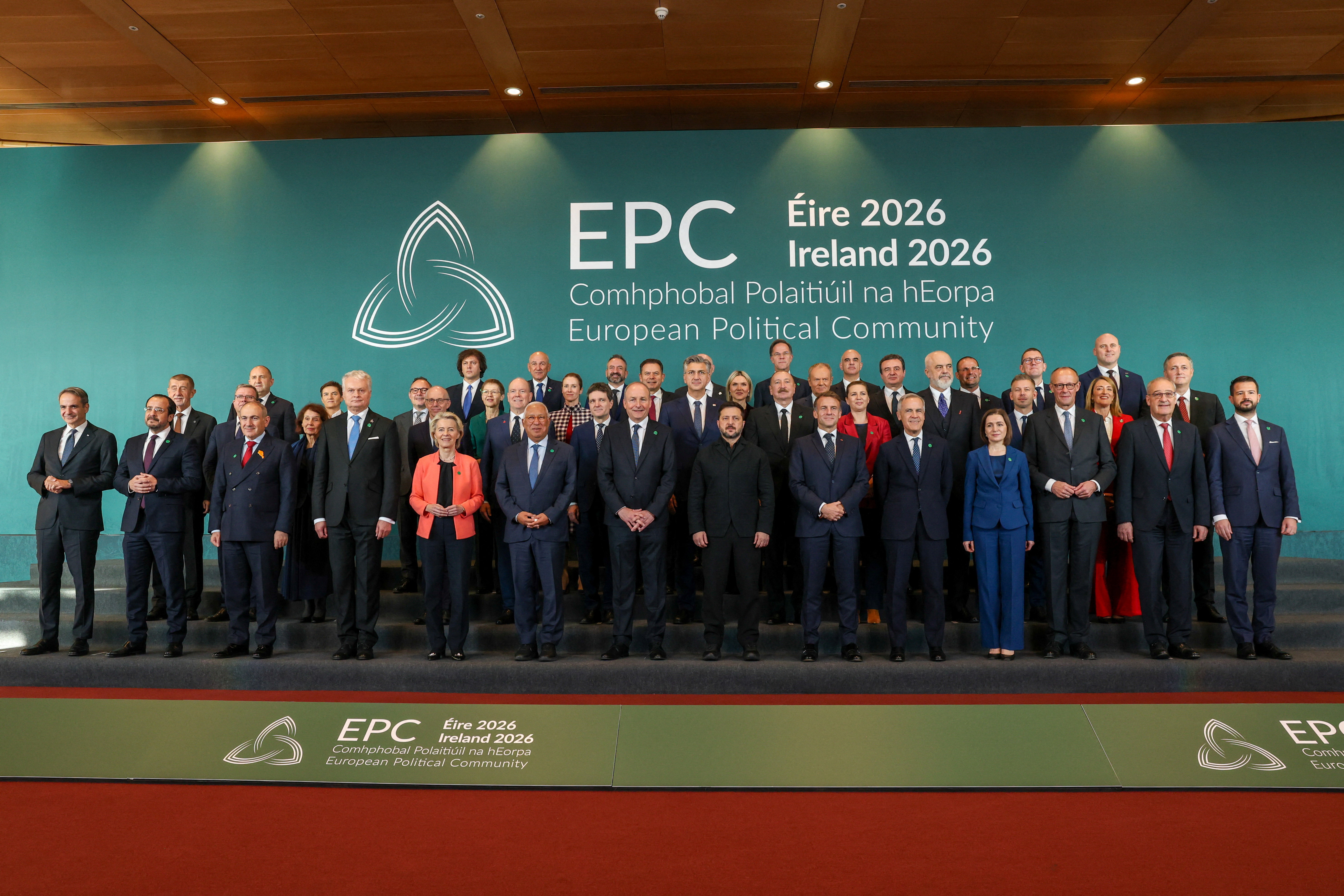
European Union leaders are convening in Dublin for a landmark discussion on artificial intelligence, seeking to establish a policy framework that fosters AI development while safeguarding citizens and businesses from potential harms. The talks will feature insights from industry leaders and AI pioneers, addressing Europe's competitive position against the US and China.
Imagine AI is like a super-smart robot helper. The leaders of Europe are meeting to figure out how to build their own robot helpers, make them do helpful things for jobs and the economy, but also make sure they don't cause problems or get too powerful, like a robot that takes everyone's jobs or makes bad decisions.
Analysis
Mistral AI
The European Union faces a significant challenge in navigating the rapidly evolving landscape of artificial intelligence. A key aspect of this discussion involves fostering homegrown AI capabilities, exemplified by the participation of Arthur Mensch, the head of Mistral AI, a prominent French AI company. Mistral AI represents Europe's ambition to compete with global AI leaders like those in the United States and China. Unlike some US tech leaders who have called for a slowdown in AI development, Mistral has advocated for Europe to accelerate its progress. This stance highlights a divergence in strategic approaches and underscores the EU's desire to avoid a repeat of past overdependence on foreign suppliers for critical technologies, as seen with fossil fuels and minerals.
Geoffrey Hinton
The summit also brings in prominent AI researchers, including Geoffrey Hinton, often referred to as the "godfather of AI." Hinton, along with other pioneers like Yoshua Bengio, has been vocal about the potential threats posed by advanced AI systems, particularly following the public release of models like OpenAI's ChatGPT. His involvement in the Dublin talks signals the EU's commitment to addressing the societal and security implications of AI. Discussions involving Hinton are expected to focus on protecting citizens' rights and jobs, as well as understanding and mitigating the security challenges that AI presents. This dual focus on innovation and ethical considerations is central to the EU's AI policy objectives.
Estonia and Finland
The urgency for a cohesive EU approach to AI is further emphasized by contributions from countries like Estonia and Finland. These nations have jointly called for the establishment of EU-level mechanisms to respond to significant AI incidents and to govern the technology responsibly. Their letter ahead of the summit highlights a proactive stance, urging investment in new technologies to ensure Europe's technological independence. This perspective, shared by Estonian Prime Minister Kristen Michal, draws parallels to the EU's efforts to diversify energy sources and secure critical raw materials, aiming to prevent similar dependencies in the AI sector. The call for an "all-of-the-above strategy," as suggested by researcher James Green, encompasses improving the business case for AI development in Europe, ensuring access to cutting-edge technologies, promoting responsible deployment, and leveraging regulation and international cooperation to manage risks.
Key points
- EU leaders are holding their first-ever talks on artificial intelligence policy in Dublin.
- The discussions aim to balance fostering AI innovation with mitigating risks to citizens and businesses.
- Key figures like Arthur Mensch of Mistral AI and Geoffrey Hinton are participating.
- Estonia and Finland have urged for EU-level arrangements to govern AI and respond to incidents.
- The EU seeks to avoid overdependence on non-EU AI technology providers.
The EU leaders' discussions could lead to a unified strategy that fosters European AI innovation, strengthens the bloc's technological sovereignty, and establishes robust ethical guidelines. This could position Europe as a responsible leader in AI development, balancing economic growth with citizen protection.
Failure to agree on a cohesive policy could leave the EU lagging behind global competitors like the US and China, while internal disagreements might hinder the development of effective regulations, leaving citizens and businesses vulnerable to AI's potential harms.