Europe heatwave live: Temperatures of 40C expected in Spain, with amber heat health warning in place across large parts of UK
Spain could hit 40C as a sweeping heatwave pushes much of Europe above 35C. The UK, France, Italy and others are facing warnings, drought and fire risk.
Intelligence analysis by GPT-5.4 Mini
A severe heatwave is gripping Europe, with official warnings in place and temperatures climbing across several countries. The live coverage also ties the weather crisis to politics, climate policy and the strain on public services and infrastructure.
Europe is getting hit by a giant heat wave, like the oven door opening all at once across many countries. That can hurt people, dry up rivers, and make governments scramble to keep everyone safe.
Analysis
135 million
The scale of this heatwave is the story's real political force. When AFP calculations say more than 135 million people across Europe are set to see temperatures above 35C, the weather stops being a local inconvenience and becomes a continental governance problem.
That matters because extreme heat is no longer just a summer headline. It affects hospitals, transport, schools, water systems and emergency planning all at once, which is why live heat warnings can quickly become tests of state capacity.
The article also says nearly three out of five European residents could see temperatures above 30C. That kind of reach turns climate adaptation into a daily public policy issue, not a niche environmental one.
Sir David King
Sir David King uses unusually direct language here, calling the heat "shattering" and warning that this is only "the foothills of what is to come." His intervention is less about weather forecasting than about political framing: he is arguing that climate action and economic protection are the same task.
That argument cuts against the familiar claim that net zero slows growth. In the article, King says plans that do not put climate first, or at least on equal footing, will undermine the future they claim to protect.
For politics watchers, the point is not whether one adviser is right in the abstract. It is that climate policy is being recast as a hard-edged resilience issue, with leadership judged by whether governments can protect people now while preparing for worse conditions later.
Burgas
The Eurovision note may look like a side story, but it still belongs in the same political weather. Burgas, the Black Sea resort chosen to host next year’s contest, sits inside a broader European context where cultural events, public attention and national prestige continue even as crisis conditions mount around them.
The article links last year's Eurovision controversy to Gaza, with five countries boycotting over Israel's participation. That reminder matters because it shows how European institutions remain politically exposed even in non-governmental settings.
The voting-rule changes announced by the EBU also point to an organization trying to manage legitimacy under pressure. In other words, even light entertainment is now shaped by questions of protest, representation and institutional credibility, which is a very modern kind of politics.
Key points
- Spain is expected to reach 40C, while large parts of the UK are under an amber heat health warning.
- More than 135 million people in Europe are expected to face temperatures above 35C.
- France has placed 80 departments on orange heat warning.
- Sir David King says the heat shows climate action and economic planning cannot be separated.
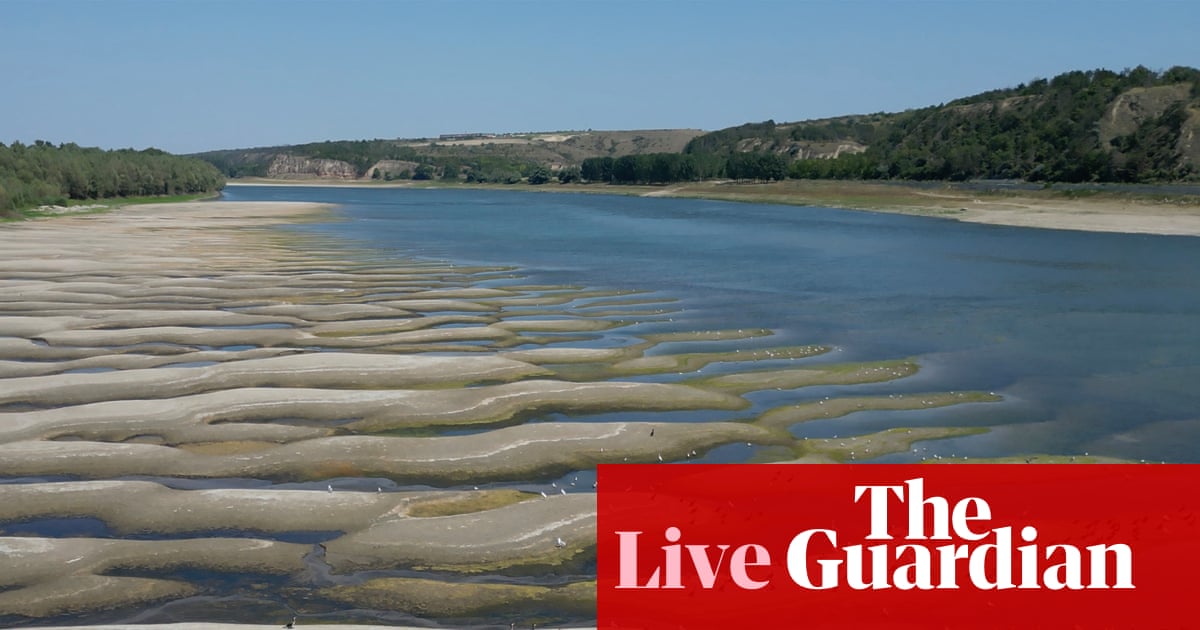
- The live coverage also notes drought impacts, including very low river levels and a nuclear plant shutdown in Romania.
If governments respond well, the heatwave could strengthen public support for stronger climate action and better heat planning. The article suggests this kind of crisis can push leaders to treat climate as part of growth and safety, not as an optional extra.
If leaders do not adapt fast enough, the heat could keep turning into fires, drought and pressure on power and water systems. The article also suggests political resistance to climate action could delay the changes needed to handle worse summers ahead.