Europe May Accelerate Space Launches to Meet Satellite Demand
The European Space Agency is considering increasing the launch rate of its rockets to meet a potential satellite demand increase.
Intelligence analysis by Qwen 2.5 (3B)
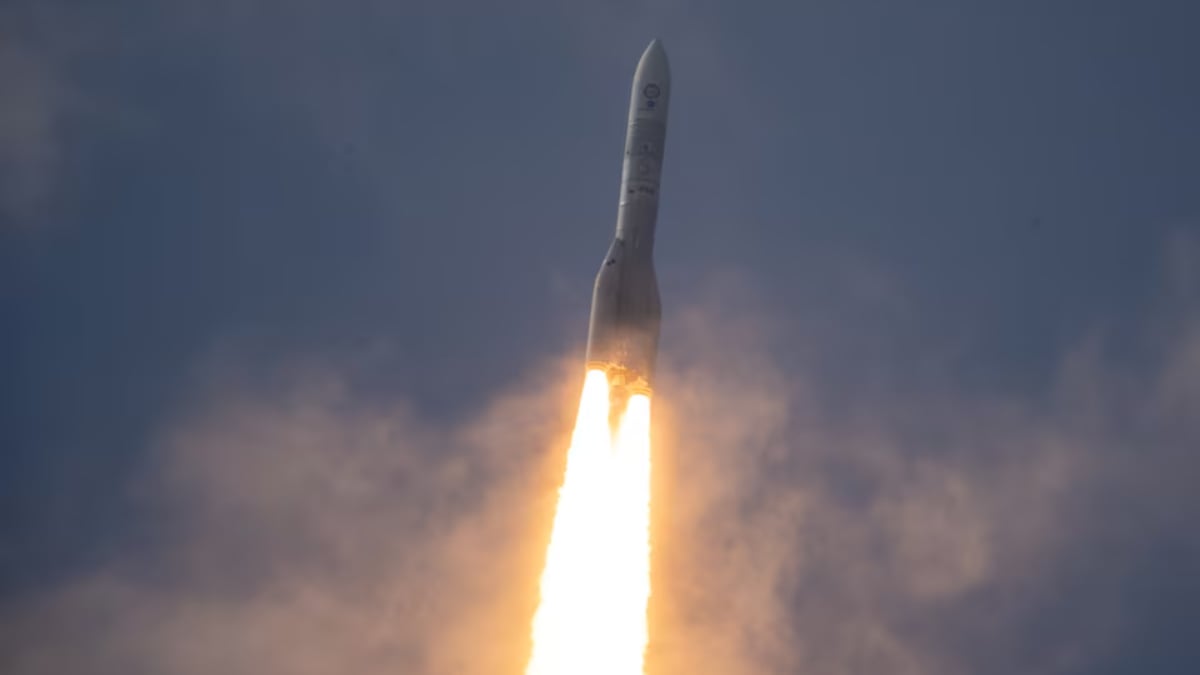
The European Space Agency is looking to boost space launches to handle a growing demand for satellites.
The European Space Agency is thinking about launching more rockets to send more satellites into space because they think people will want to send more satellites in the future.
Analysis
{"heading_1":"Current Situation","paragraph_1":"To address the potential bottleneck, the ESA is considering increasing the launch rate of its rockets, which could involve launching humans into space on European rockets rather than relying on U.S. vehicles.","paragraph_2":"The ESA is also exploring the feasibility of launching humans into space on European rockets, which could increase ESA's budget by about 10%.","heading_2":"Demand Forecast","heading_3":"Potential Solutions","paragraph_3":"However, the decision to launch humans on European rockets would be a political one, as it would require the approval of the European Commission."}
Key points
- The European Space Agency is considering increasing the launch rate of its rockets to meet a potential satellite demand increase.
- The demand for satellites is expected to peak around 2030.
- The ESA is exploring the feasibility of launching humans into space on European rockets.
- The decision to launch humans on European rockets would be a political one.
- The ESA is also looking at ways to protect the sector's supply chain.
If the demand for satellites does increase, the ESA could handle it by launching more rockets and potentially launching humans on European rockets.
If the demand for satellites does not increase, the ESA may not need to make any changes to their current launch plans.