European Cities Deploy NVIDIA-Powered AI Agents to Run Smarter Urban Operations
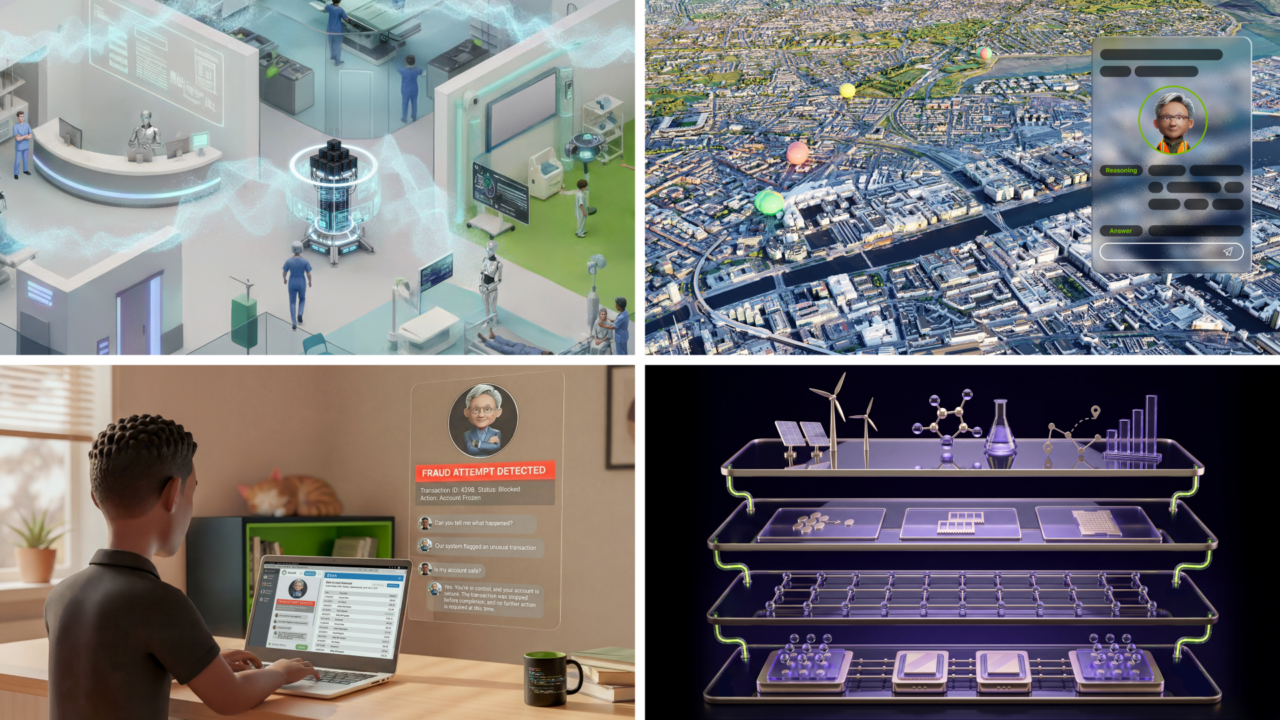
European cities are leveraging NVIDIA-powered AI agents and digital twins to enhance urban operations, from infrastructure maintenance to public services. These deployments aim to improve efficiency, decision-making, and resident experiences across various sectors.
Intelligence analysis by Gemini 2.5 Flash
Cities across the EMEA region are adopting NVIDIA's accelerated computing, AI agents, and digital twin technologies to create smarter urban environments. These solutions, developed with partners, address challenges like traffic management, energy efficiency, public safety, and administrative tasks, demonstrating a shift towards AI-driven municipal management.
Imagine your city has a super-smart helper that uses a powerful computer brain, like NVIDIA, to make everything run smoother. This helper, called an AI agent, can watch traffic, check if buildings are using too much energy, or even help people find information faster. It's like having a digital copy of your city that can try out new ideas before they happen in real life, making sure things like roads get fixed on time and public services are easy to use.
Analysis
The deployment of NVIDIA-powered AI agents across European cities marks a significant step in urban innovation, moving beyond traditional smart city concepts to more autonomous and intelligent operations. These initiatives leverage NVIDIA's comprehensive AI stack, including Cosmos and Nemotron open models, alongside Omniverse libraries for digital twin creation, to process vast amounts of urban data. The goal is to create systems that can not only monitor but also anticipate needs, optimize resource allocation, and enhance public safety and services, fundamentally transforming how cities are managed.
Liverpool City Region
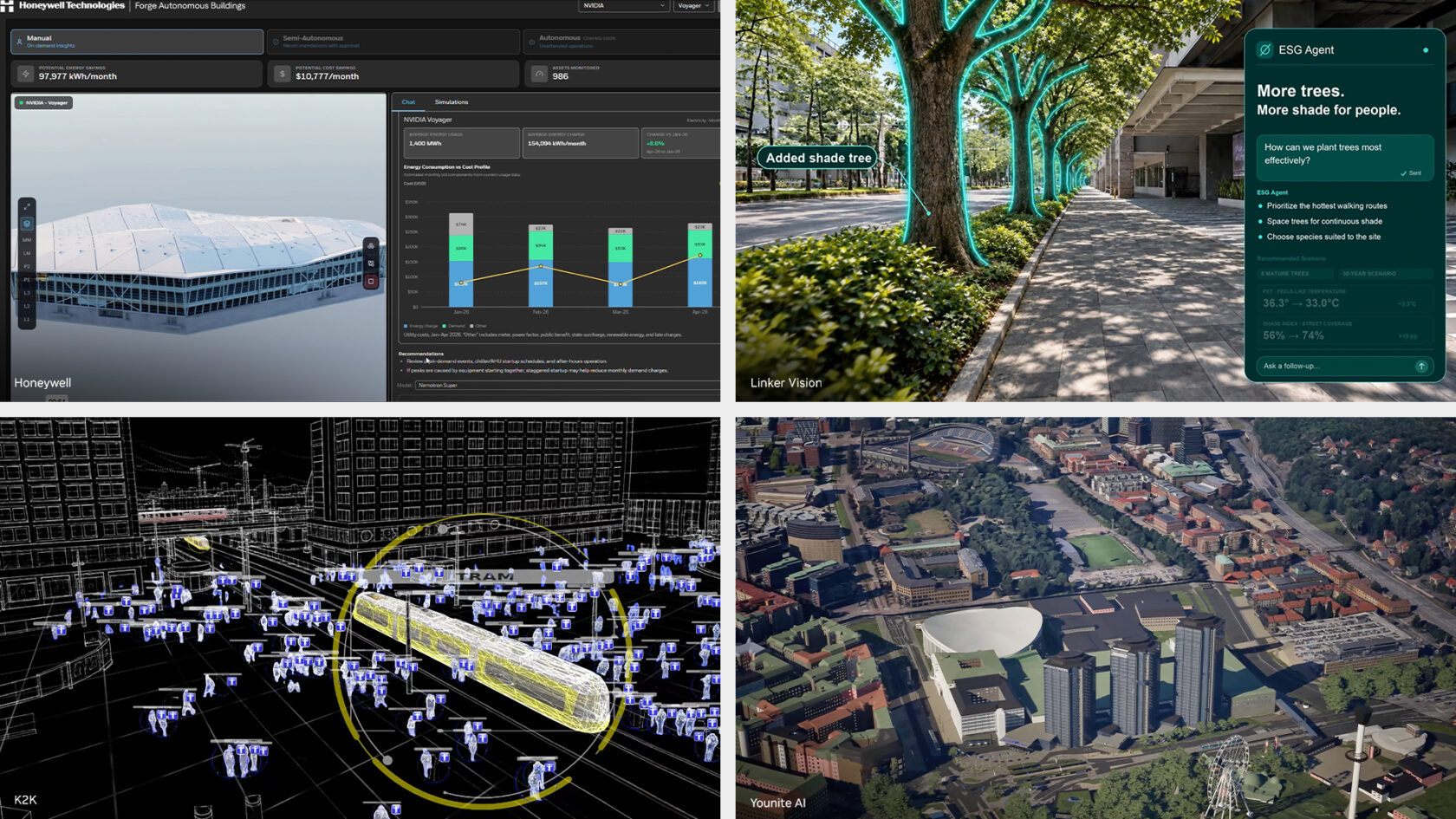
In the U.K., the Liverpool City Region is at the forefront of exploring AI factories built with NVIDIA accelerated computing, Cosmos, and the VSS blueprint. This initiative aims to bolster urban planning and public services, with initial applications focusing on mobility and safety. The concept of an 'AI factory' suggests a scalable, repeatable model for developing and deploying AI solutions tailored to specific urban challenges. This approach allows cities to test and refine AI applications in controlled environments before broader rollout, ensuring that the technology effectively addresses local needs and integrates seamlessly with existing infrastructure. The Island of Jersey and Innovation City Belfast are also collaborating with K2K on similar pilots, emphasizing smart mobility, transport systems, citizen safety, and event management.
Côte-d’Or
France's Department of Côte-d’Or provides a compelling example of AI's impact on operational efficiency. Working with Akila and ThinkDeep, the department has implemented operations agents that integrate sensor, infrastructure, and historical data into a sovereign digital twin, utilizing NVIDIA Nemotron and Omniverse. These agents are deployed across more than 500 public buildings, supporting critical functions like energy management, compliance, safety, and climate resilience. The reported benefits are substantial, including a reduction in document search time from weeks to minutes and a 10% cut in total operating costs, with a target of 30% at scale. This demonstrates AI's potential to deliver measurable economic and operational improvements in public administration.
AI Infrastructure
Scaling these AI initiatives from pilot projects to widespread, everyday operations necessitates robust and localized AI infrastructure. System builders and infrastructure partners such as Cisco, Dell Technologies, HPE, Lenovo, and Supermicro are crucial in packaging NVIDIA accelerated computing, networking, and storage into locally operated AI factories. These systems are designed to allow cities to customize and run intelligent applications while maintaining sovereign control over their data, models, and operations. This local control is vital for addressing data privacy concerns and ensuring that AI solutions are adaptable to unique municipal contexts. Furthermore, integration and operational expertise from firms like EY and Accenture are essential for connecting these advanced applications with existing city systems, creating repeatable deployment blueprints that can be adapted and expanded as urban needs evolve.
Key points
- European cities are deploying NVIDIA-powered AI agents and digital twins to optimize urban operations and public services.
- Key partners like ABA Technology, Akila, Galene AI, and Honeywell Technologies are developing solutions using NVIDIA Cosmos, Nemotron, and Omniverse.
- Projects span various countries including the U.K., France, Italy, Belgium, and Sweden, addressing areas like mobility, safety, energy efficiency, and administrative tasks.
- The Department of Côte-d’Or in France reported a 10% reduction in operating costs and faster document searches using AI agents.
- Local AI factories, built by partners like Dell Technologies and HPE, enable cities to customize models and retain control over their data and operations.
These AI deployments promise significant improvements in urban efficiency, leading to better public services, reduced operational costs, and enhanced quality of life for residents. The ability to retain local control over data and models ensures that cities can tailor solutions to their specific needs while maintaining data privacy and governance.
While promising, the widespread adoption of these complex AI systems could face challenges related to initial investment costs, the need for specialized technical expertise, and potential public concerns regarding data collection and algorithmic decision-making. Ensuring seamless integration with legacy systems and achieving the projected cost savings at scale will also require careful planning and execution.