European farmers face ‘unprecedented crisis’ after successive heatwaves
European farmers are facing an unprecedented crisis due to successive heatwaves and a severe drought, which has led to a significant decline in crop yields and milk production.
Intelligence analysis by Llama
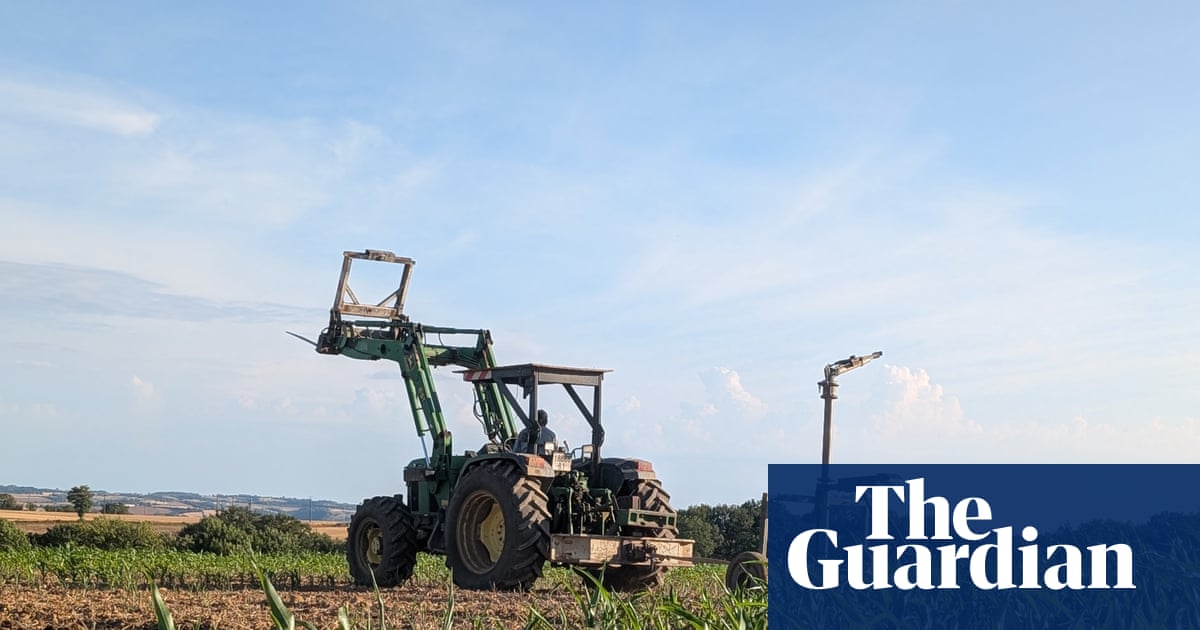
The heatwaves and drought have left many farmers in an unprecedented crisis, with vegetable and grain growers warning of catastrophic harvests. French vegetable production is down by a very significant extent, with shortfalls put at 25% for courgettes, 35% for lettuces, and 40% for peas.
Imagine you have a garden, and it's really hot outside. The plants need water to grow, but there's not enough water. This makes the plants very unhappy and they don't grow well. This is what's happening to farmers in Europe. They're not getting enough water for their crops, and it's making their crops very unhappy. This means they won't have as much food to sell, and people might not have as much food to eat. It's like a big problem for the whole country.
Analysis
European Farmers Face Unprecedented Crisis After Successive Heatwaves
The European farming sector is facing an unprecedented crisis due to successive heatwaves and a severe drought. The heatwaves have battered the crucial crop during critical stages of its growth cycle, leading to a significant decline in crop yields and milk production. Vegetable and grain growers are warning of catastrophic harvests, with French vegetable production down by a very significant extent. The agriculture ministry estimates the maize harvest in France will be down by 35% on 2025 levels, a quantity last seen in 1980. The impact of the heatwaves and drought is not limited to France, with Italy, Spain, and other European countries also affected. In Italy, about 60% of farmland is now affected by drought, with crop yields, especially for corn, rice, and soya beans, badly hit. The overall cost to the sector, including damage caused by wildfires and heavy storms, is put at more than €3bn. Governments have pledged costly aid packages to help the sector, with the French prime minister promising €145m in immediate aid, along with structural support and investment measures in the 2027 budget. The crisis facing European farmers has significant implications for the food supply chain and the economy. The decline in crop yields and milk production could lead to food shortages and price increases. The European Union has a responsibility to support its farmers and ensure the food supply chain remains stable. The EU must take immediate action to address the crisis facing European farmers and provide support to those affected. This includes providing financial aid, investing in drought-resistant crops, and implementing measures to reduce the impact of heatwaves and drought on agriculture. The EU must also work with its member states to develop a comprehensive strategy to address the crisis facing European farmers and ensure the long-term sustainability of the farming sector.
The Impact of Heatwaves and Drought on Agriculture
The heatwaves and drought have had a devastating impact on agriculture in Europe. The decline in crop yields and milk production has significant implications for the food supply chain and the economy. The EU must take immediate action to address the crisis facing European farmers and provide support to those affected. This includes providing financial aid, investing in drought-resistant crops, and implementing measures to reduce the impact of heatwaves and drought on agriculture. The EU must also work with its member states to develop a comprehensive strategy to address the crisis facing European farmers and ensure the long-term sustainability of the farming sector.
The Role of the EU in Supporting European Farmers
The EU has a responsibility to support its farmers and ensure the food supply chain remains stable. The EU must take immediate action to address the crisis facing European farmers and provide support to those affected. This includes providing financial aid, investing in drought-resistant crops, and implementing measures to reduce the impact of heatwaves and drought on agriculture. The EU must also work with its member states to develop a comprehensive strategy to address the crisis facing European farmers and ensure the long-term sustainability of the farming sector.
Key points
- European farmers are facing an unprecedented crisis due to successive heatwaves and a severe drought.
- Crop yields and milk production have declined significantly, leading to food shortages and price increases.
- The EU has a responsibility to support its farmers and ensure the food supply chain remains stable.
- The EU must take immediate action to address the crisis facing European farmers and provide support to those affected.
- This includes providing financial aid, investing in drought-resistant crops, and implementing measures to reduce the impact of heatwaves and drought on agriculture.
If the EU takes immediate action to address the crisis facing European farmers, it's possible that the situation could improve. The EU could provide financial aid, invest in drought-resistant crops, and implement measures to reduce the impact of heatwaves and drought on agriculture. This could help farmers to recover and get back to producing food. Additionally, the EU could work with its member states to develop a comprehensive strategy to address the crisis facing European farmers and ensure the long-term sustainability of the farming sector.
If the EU doesn't take immediate action to address the crisis facing European farmers, the situation could worsen. The decline in crop yields and milk production could lead to food shortages and price increases. This could have a significant impact on the economy and the food supply chain. Additionally, the EU's failure to address the crisis could lead to a loss of trust in the EU's ability to support its farmers and ensure the food supply chain remains stable.