Every ICE arrest team will now have an agent with a body camera, DHS says
The Department of Homeland Security has announced that every U.S. Immigration and Customs Enforcement arrest team will have at least one law enforcement officer equipped with a body-worn camera going forward, following two fatal shootings by agents who didn't have cameras.
Intelligence analysis by Llama
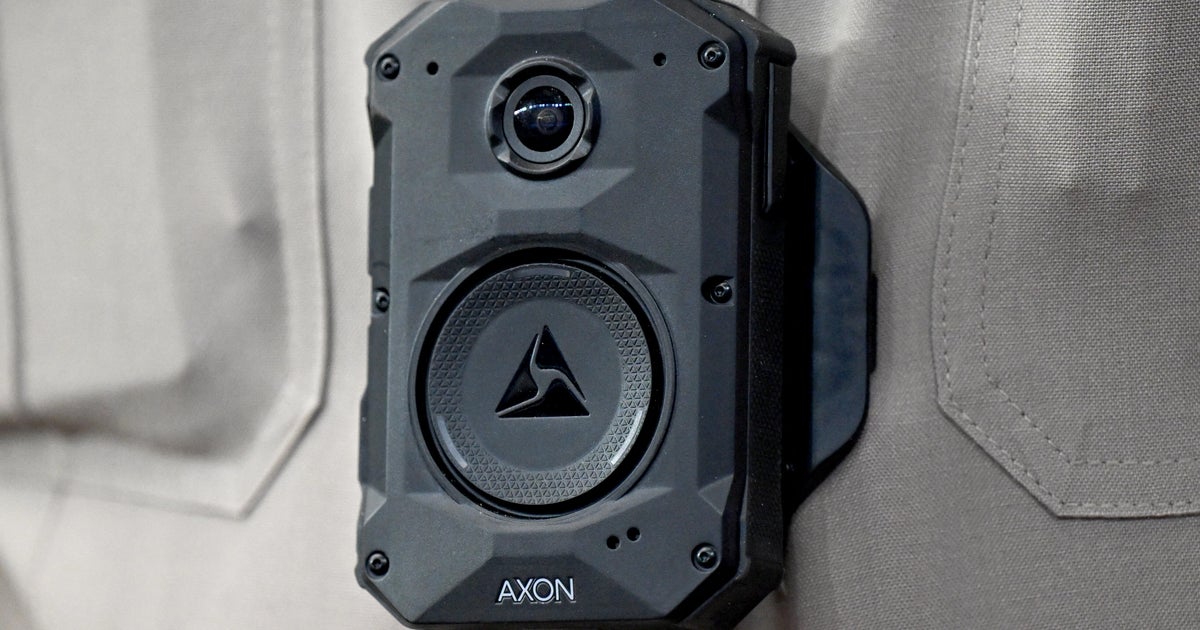
The Department of Homeland Security has announced that every U.S. Immigration and Customs Enforcement arrest team will have at least one law enforcement officer equipped with a body-worn camera going forward, following two fatal shootings by agents who didn't have cameras. The move comes after a Mexican man was fatally shot by an ICE agent in Houston last week, and six days later, an …
Imagine you're a police officer, and you're trying to stop someone who might be a bad guy. You want to make sure you're safe, and you want to make sure the bad guy is safe too. That's why ICE agents are now wearing special cameras on their bodies, so they can record what happens during a stop. This helps keep everyone safe and makes sure that the officers are doing their job correctly.
Analysis
A $60B Vote of Confidence
The Department of Homeland Security's decision to equip every U.S. Immigration and Customs Enforcement arrest team with a body-worn camera is a significant step towards increasing transparency and accountability in law enforcement. The move comes after two fatal shootings by agents who didn't have cameras, highlighting the need for better training and equipment for ICE agents.
The $20 million in extra funding for DHS body cameras, approved as part of a bill to end the partial government shutdown in April, has been instrumental in facilitating the rollout of body cameras across the country. The agency has blamed the incomplete rollout on a monthslong lapse in DHS funding during the partial government shutdown earlier this year.
The decision to equip ICE agents with body cameras has been met with criticism from Democratic lawmakers, who argue that the agency has plenty of money to deploy cameras at a more rapid clip. However, the move is seen as a positive step towards increasing transparency and accountability in law enforcement.
Why Cursor?
The shootings in Maine and Texas have drawn renewed scrutiny to ICE's practices. In both cases, DHS has said the men who were shot were in the U.S. illegally but have acknowledged they were not the intended targets of the immigration operations. Both men were also shot during attempted vehicle stops.
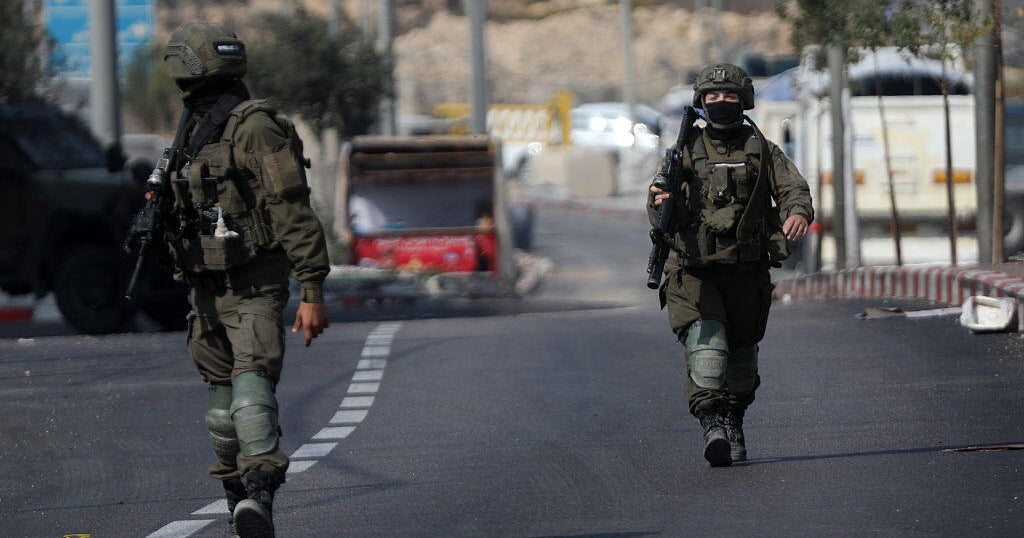
ICE agents have been instructed to immediately suspend most vehicle stops during enforcement operations nationwide, except in cases involving serious criminal targets, multiple sources told CBS News Tuesday. This is a temporary pause while officers receive more training.
The Road Ahead
The decision to equip ICE agents with body cameras is a significant step towards increasing transparency and accountability in law enforcement. However, the move is not without its challenges. The agency will need to ensure that the cameras are properly maintained and that the footage is properly stored and reviewed.
Additionally, the agency will need to address the concerns of Democratic lawmakers, who argue that the agency has plenty of money to deploy cameras at a more rapid clip. The agency will also need to ensure that the cameras are used in a way that is consistent with the agency's policies and procedures.
Key points
- Every U.S. Immigration and Customs Enforcement arrest team will have at least one law enforcement officer equipped with a body-worn camera going forward.
- The decision to equip ICE agents with body cameras comes after two fatal shootings by agents who didn't have cameras.
- The $20 million in extra funding for DHS body cameras has been instrumental in facilitating the rollout of body cameras across the country.
- ICE agents have been instructed to immediately suspend most vehicle stops during enforcement operations nationwide, except in cases involving serious criminal targets.
The decision to equip ICE agents with body cameras is a positive step towards increasing transparency and accountability in law enforcement. If this development plays out positively, it could lead to a decrease in the number of fatal shootings by ICE agents and an increase in public trust in the agency.
However, the rollout of body cameras is not without its challenges. If the agency is unable to properly maintain and store the footage, it could lead to a decrease in public trust and an increase in the number of fatal shootings by ICE agents.