Ex-Federal Reserve chair Jerome Powell sounds alarm over political interference
Jerome Powell warned that political interference in monetary policy could erode trust in the Federal Reserve. His remarks came as the Supreme Court weighs Donald Trump’s attempt to remove Fed governor Lisa Cook.
Intelligence analysis by GPT-5.4 Mini
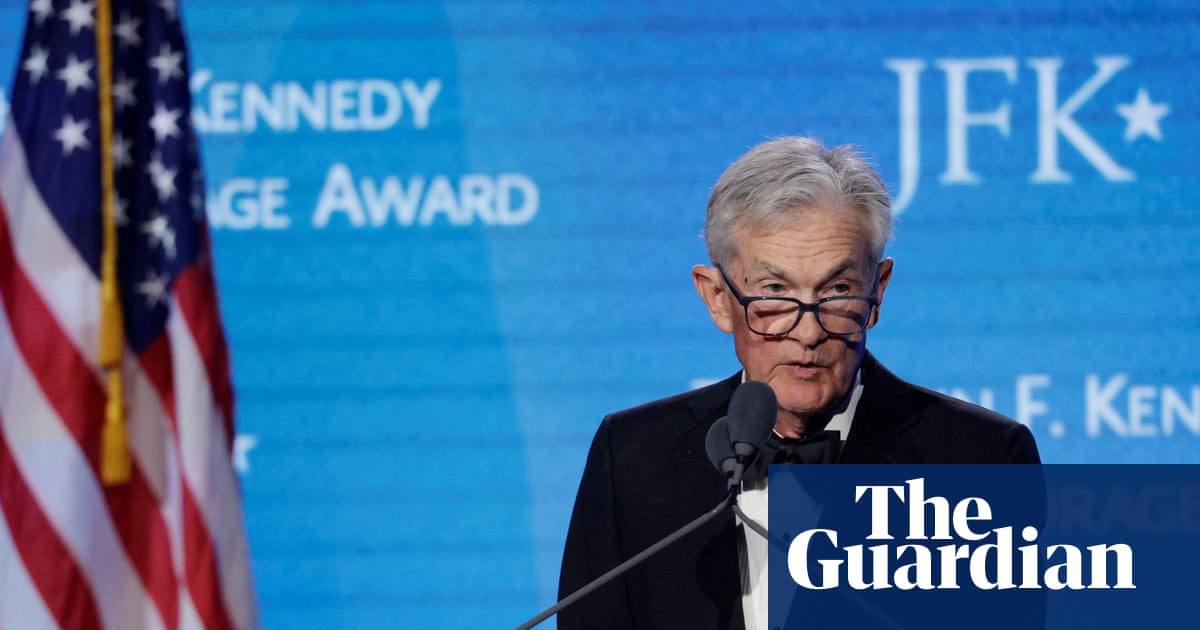
Powell used an award speech to defend the Fed’s independence, arguing that letting presidents remove central bankers over policy disputes would damage public confidence. The backdrop is an ongoing legal fight over Trump’s effort to fire Lisa Cook, which has become a test case for how far political control can reach.
A country’s central bank is like the person steering a big ship. It needs to make careful choices about money and interest rates, not quick choices based on politics.
Jerome Powell said that if politicians can kick out central bankers just for disagreeing with them, people may stop trusting the bank. That would be like the ship’s captain changing direction whenever someone in the crowd shouts loud enough.
The news also includes a court fight over a Fed governor named Lisa Cook. The outcome could show how much protection the central bank really has from political pressure.
Analysis
Powell’s warning
Jerome Powell used his acceptance speech for the 2026 John F Kennedy Profile in Courage award to argue that the Federal Reserve’s independence matters for the public, not just for the institution itself. He said legal protections that separate monetary policy from politics have worked across administrations of both parties, and warned that allowing officials to be removed over policy disagreements would invite future presidents to do the same.
The legal backdrop
The speech landed while the Supreme Court is considering the fate of Fed governor Lisa Cook, whom Donald Trump tried to fire last August. The article says Trump cited mortgage-related allegations; Cook denied wrongdoing and stayed in office. A lower court blocked the firing, saying the alleged conduct did not amount to lawful cause because it happened before she joined the Fed. When the case reached the Supreme Court in January, the justices appeared skeptical of the administration’s position, and a final ruling is expected before the court’s summer recess.
What Powell is defending
Powell did not name Trump or Cook, but he clearly framed the case as a broader test of institutional independence. He said Fed decisions are made using economic analysis meant to serve the public, not the interests of any party or politician. The award committee also linked the honor to Powell’s resistance to pressure from the highest levels of government. The article presents the dispute as a constitutional and economic showdown that has already unsettled global markets, because the outcome could shape how insulated the central bank remains from political retaliation.
Bottom line
The story is less about one personnel fight than about whether the Fed can keep its credibility if presidents gain more power over its governors. Powell’s warning is that one successful political intrusion could weaken the norm for good.
Key points
- Jerome Powell warned that political interference in monetary policy could permanently damage trust in the Fed.
- He said the Fed is in a "stress test" as the Trump administration challenges its independence.
- The Supreme Court is weighing Trump’s attempt to remove Fed governor Lisa Cook.
- Powell argued that Fed decisions should be based on economic analysis, not politics.
- The article says the dispute has unsettled global markets for months.
If the Supreme Court sides with the Fed’s independence, the central bank could keep making decisions based on economic analysis rather than political demands. That would help preserve public trust and give markets clearer expectations about how monetary policy is set.
If the administration succeeds in removing Fed officials over policy disputes, future presidents could feel encouraged to do the same. The article warns that this could damage the Fed’s credibility and make markets less confident that decisions are being made for the whole economy.