Exclusive – Moïse Katumbi: "We will go to Goma to meet Joseph Kabila"
Congolese opposition leader Moïse Katumbi is on a diplomatic tour with the C64 coalition to advocate for an inclusive national dialogue in the DRC, proposing to include rebels and former President Joseph Kabila.
Intelligence analysis by Gemini 2.5 Flash
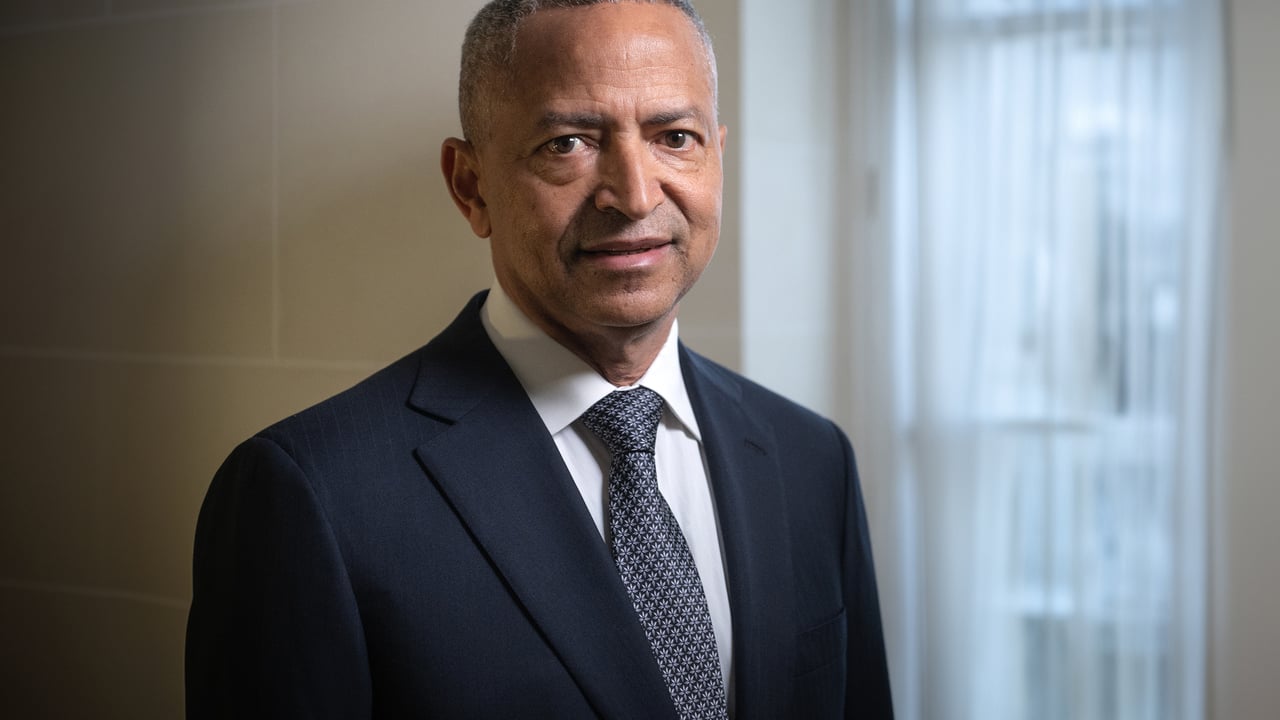
Katumbi's coalition is seeking international support for a broad dialogue aimed at resolving political tensions in the Democratic Republic of Congo, with plans to engage key figures like Kabila and various rebel groups, following recent demonstrations against constitutional changes.
Imagine a big country where people are arguing about how things should be run. A leader named Moïse Katumbi wants everyone, even people who disagree a lot, to sit down and talk, like a big family meeting. He even wants to invite the old leader, Joseph Kabila, to this meeting to try and make peace and solve problems together.
Analysis
The announcement by Congolese opposition leader Moïse Katumbi regarding his intention to meet former President Joseph Kabila in Goma for an inclusive national dialogue marks a potentially pivotal moment in the Democratic Republic of Congo's complex political landscape. Katumbi, leading the C64 coalition, is actively engaging in a diplomatic offensive across various African nations to garner support for this initiative. This move signals a strategic shift from street protests to high-level political negotiations, aiming to address the deep-seated political divisions and instability that have long plagued the DRC. The emphasis on an "inclusive" dialogue, specifically mentioning the involvement of rebels, underscores a recognition that lasting peace requires broad participation, even from those traditionally viewed as adversaries.
Moïse Katumbi
Moïse Katumbi's diplomatic tour, following a period of public demonstrations, positions him as a central figure in the quest for political resolution in the Democratic Republic of Congo. His advocacy for an inclusive national dialogue, extending an invitation even to former President Joseph Kabila and various rebel groups, highlights a pragmatic approach to reconciliation. This strategy suggests a belief that direct engagement with all significant political and armed actors is essential to de-escalate tensions and forge a path towards stability. Katumbi's international outreach, including planned visits to countries like Togo, Kenya, and South Africa, indicates an effort to build regional consensus and leverage external influence to pressure for a comprehensive political settlement.
His willingness to engage with figures like Kabila, despite their past political rivalries, could be interpreted as a move to transcend partisan divides for the greater national interest. Such a dialogue, if it materializes, would represent a significant departure from the often confrontational nature of Congolese politics. It could potentially lay the groundwork for a more unified political front, or at least a framework for managing disagreements through negotiation rather than conflict. The success of this diplomatic push hinges on Katumbi's ability to convince diverse stakeholders, both domestic and international, of the sincerity and viability of his proposed dialogue.
Joseph Kabila
The explicit mention of Joseph Kabila as a participant in the proposed inclusive national dialogue is highly significant, given his enduring influence in Congolese politics despite stepping down from the presidency. Kabila's decade-long rule and his continued presence as a senator for life mean he remains a powerful figure whose cooperation or opposition can profoundly impact any political transition or reform effort. His inclusion in a dialogue aimed at national reconciliation suggests that Katumbi and the C64 coalition recognize the necessity of engaging with all major political forces, including those associated with the previous regime, to achieve a truly comprehensive and lasting peace.
A meeting between Katumbi and Kabila, particularly in a politically charged location like Goma, would send a strong signal about the potential for reconciliation among the DRC's political elite. It could help bridge the chasm between the current political establishment and opposition factions, potentially unlocking pathways for broader political reforms. However, Kabila's participation also carries risks, as it could be perceived by some as legitimizing past grievances or as an attempt to reassert his influence. The dynamics of such a meeting and the terms of his engagement would be crucial in determining the dialogue's credibility and ultimate success.
C64 Coalition
The C64 coalition, spearheaded by Moïse Katumbi, is actively campaigning against proposed constitutional changes in the Democratic Republic of Congo, viewing them as a threat to democratic principles. Their diplomatic tour, which has already included stops in Paris and Brussels and plans for further visits across Africa, underscores a strategic effort to internationalize their concerns and build a broad base of support. By seeking the backing of foreign chanceries, the coalition aims to exert external pressure on the current government to consider an inclusive national dialogue as a viable alternative to unilateral constitutional amendments.
This coalition's focus on an "inclusive national dialogue" is a direct response to the perceived narrowing of political space and the potential for further instability if constitutional reforms are pushed through without broad consensus. Their engagement with various African nations, including Togo, Kenya, South Africa, Angola, and Uganda, reflects an understanding of regional diplomacy's importance in Congolese affairs. The C64's strategy is to frame the dialogue not just as an internal political matter but as a regional stability issue, thereby mobilizing international partners to advocate for a more participatory and consensual approach to governance in the DRC.
Key points
- Moïse Katumbi is leading a diplomatic tour for an inclusive national dialogue in the DRC.
- The dialogue aims to include rebels and former President Joseph Kabila.
- The C64 coalition, opposing constitutional changes, seeks international support.
- Planned visits include Togo, Kenya, South Africa, Angola, and Uganda.
If successful, this dialogue could foster national reconciliation, reduce political instability, and pave the way for a more unified and peaceful Democratic Republic of Congo, potentially leading to broader political participation and a stronger democratic process.
The proposed dialogue might fail to gain traction or could be perceived as legitimizing rebel groups, potentially deepening political divides, increasing tensions, or leading to further instability if key stakeholders refuse to participate or if the outcomes are not widely accepted.

