Exclusive | Nirupama Rao and Lin Minwang on the great India-China face-off
Experts debate the deep fault lines in India-China relations, from the long-running border dispute to trust and competing narratives.
Intelligence analysis by Llama
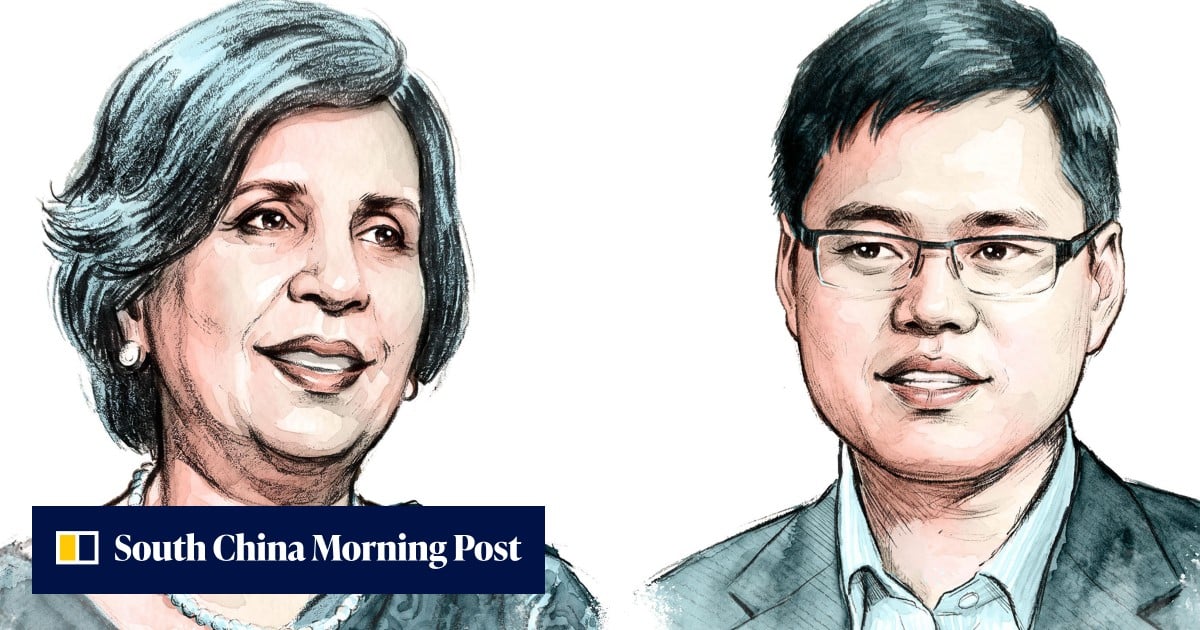
A leading Chinese scholar and a former Indian foreign secretary discuss the biggest barriers in India-China relations, including history, politics, the border, Pakistan, and the US.
Imagine two big countries, India and China, who have been friends for a long time but have some disagreements. They disagree about a border between them and also about how to work together. They also have different friends, like the US, which makes things complicated. But they can still work together and be friends if they try hard and focus on things they agree on, like trade and people meeting each other.
Analysis
History vs Politics: The Biggest Barrier in India-China Relations
A large section of Indian opinion still regards China as an expansionist power shaped by conflicts in 1962 and Galwan in 2020. Lin Minwang, a professor at Fudan University, responds to this view by stating that the history of 1962 has become an important part of India's national identity. He believes that changing this perception is difficult because it requires altering all the narratives that have been deeply rooted in the national identity narratives.
The Border Dispute: A Long-Running Issue
The border dispute between India and China is a long-standing issue that has been a major point of contention in their relations. Lin Minwang notes that the border dispute is not just a territorial issue but also a matter of trust and confidence between the two countries. He suggests that the two countries need to work together to resolve the border dispute and build trust.
Pakistan and the US: A Complicating Factor
The relationship between India and Pakistan is a complex and sensitive issue that has implications for the India-China relationship. Lin Minwang notes that Pakistan's relationship with the US is a complicating factor in the India-China relationship. He suggests that the two countries need to work together to resolve the border dispute and build trust, and that the US should not interfere in the India-China relationship.
Can Beijing and New Delhi Move Beyond Suspicion?
Lin Minwang believes that Beijing and New Delhi can move beyond suspicion in an increasingly multipolar world. He suggests that the two countries need to work together to resolve the border dispute and build trust, and that they should focus on economic cooperation and people-to-people exchanges to move beyond suspicion.
Key points
- India and China have a long-standing border dispute that is a major point of contention in their relations.
- The two countries need to work together to resolve the border dispute and build trust.
- Pakistan's relationship with the US is a complicating factor in the India-China relationship.
- India and China can move beyond suspicion in an increasingly multipolar world if they focus on economic cooperation and people-to-people exchanges.
If India and China can work together to resolve their border dispute and build trust, they can move beyond suspicion and focus on economic cooperation and people-to-people exchanges. This can lead to increased trade and investment between the two countries, as well as greater cultural exchange and understanding.
If India and China fail to resolve their border dispute and build trust, they may continue to have a tense relationship, which can lead to increased military spending and a higher risk of conflict. This can also lead to a decrease in economic cooperation and people-to-people exchanges, making it harder for the two countries to move beyond suspicion.