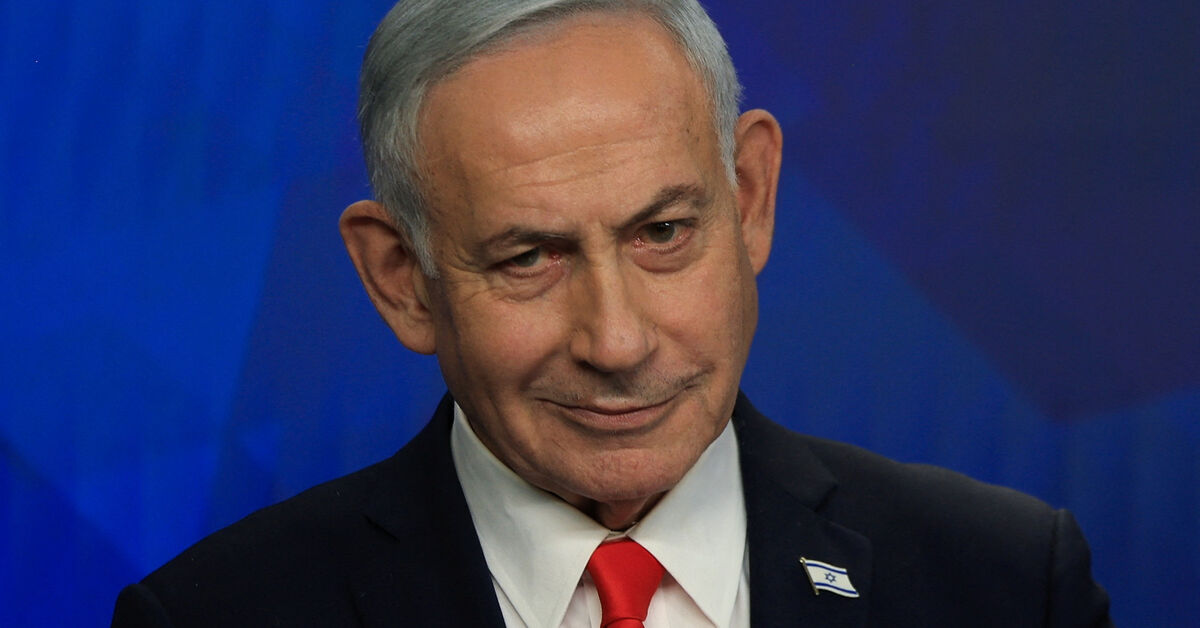
Explainer-How Trump's ceasefires are failing to stop Middle East violence
U.S.-arranged ceasefires in Gaza, Lebanon and Iran have reduced major fighting, but strikes and rocket fire continue. The deals remain stuck in first-phase limbo.
Intelligence analysis by GPT-5.4 Mini
Al-Monitor says Trump's ceasefires across Gaza, Lebanon and the Iran track have not fully stopped violence: hostilities are lower, but strikes, rockets and indirect talks keep the region in a fragile in-between state.
It is like three fights were told to pause, but nobody agreed on the rules for what comes next. So the big battles slowed down, yet stones, punches and damage are still happening.
Analysis
Three ceasefires, three stalled transitions
The article argues that U.S.-brokered truces in Gaza, Lebanon and the Iran file have all reduced large-scale fighting without producing durable peace. In each case, the ceasefire appears to have stopped the biggest bursts of war, but not the underlying conflict.
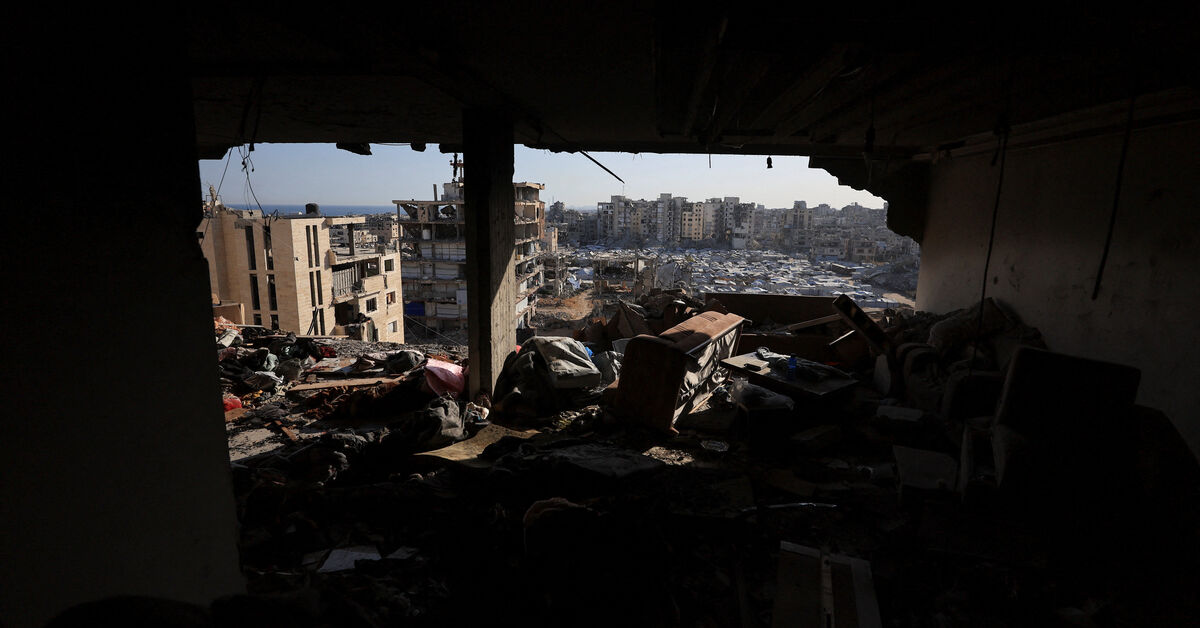
In Gaza, the ceasefire agreed on October 10, 2025, was meant to trade a halt in fighting for hostage releases, prisoner releases, more aid, a phased Israeli withdrawal and a crossing into Egypt. The article says all hostages were released, but disputes remain over aid, Hamas has not agreed to disarm, reconstruction has not started, and Israel says it wants to expand the territory it controls. Israeli strikes have continued, with more than 900 Palestinians killed since the truce, according to the article.
Lebanon follows a similar pattern. A ceasefire after 2024 fighting was only partly carried out, and later clashes resumed after the war against Iran erupted. The article says Hezbollah kept firing into Israel while Israeli forces seized areas in southern Lebanon and carried out airstrikes elsewhere. Trump later announced a 10-day ceasefire on April 16, but fighting continued in the south. Lebanon says the toll since March 2 is more than 3,500 people, while Israel says Hezbollah attacks have killed 26 soldiers and four civilians since March.
On Iran, the article says the U.S. announced a ceasefire in early April after strikes on Iranian nuclear and missile sites, with talks meant to cover Hormuz, sanctions and the nuclear file. Those talks have not produced a fuller agreement, and the article says Iran has kept using pressure, including attacks on Gulf states such as Kuwait.
The article's core point is that these ceasefires have not moved beyond temporary pauses because the parties are unwilling to make the painful concessions needed for a lasting settlement. Urban Coningham of the Royal United Services Institute says that without movement or a political horizon, there is little incentive to keep obeying the deal. The article also says weaker international institutions and more assertive regional powers make durable agreements harder to sustain.
Key points
- The article says U.S.-arranged ceasefires in Gaza, Lebanon and the Iran track have reduced major fighting but not ended violence.
- In Gaza, hostages were released, but aid, disarmament, reconstruction and a full Israeli withdrawal remain unresolved.
- In Lebanon, Israeli strikes and Hezbollah attacks continued after a ceasefire that was only partially implemented.
- On Iran, indirect talks have not yet produced a fuller agreement on Hormuz, sanctions or the nuclear issue.
- The article argues that ceasefires fail when there is no political horizon and no incentive to make hard concessions.
If the first-phase deals can be extended, they could still reduce major violence further and create space for hostage releases, more aid, and talks on withdrawal or reconstruction. The article also shows that rare direct contacts and mediated talks are at least still happening.
If the parties keep refusing the concessions needed for a second phase, the ceasefires can stay stuck while strikes and retaliatory attacks continue. The article warns that without a political horizon, the deals may keep unraveling and broader regional pressure, including Gulf disruption, can continue.