ExxonMobil, TotalEnergies… Why majors are betting again on Nigeria's deep offshore
ExxonMobil's $1 billion investment in Nigeria's Usan field marks a return of international oil company capital to the country's deep offshore sector, with the American giant resuming drilling after a decade-long hiatus to target 40,000 barrels per day. This trend, also se…
Intelligence analysis by Gemini 2.5 Flash
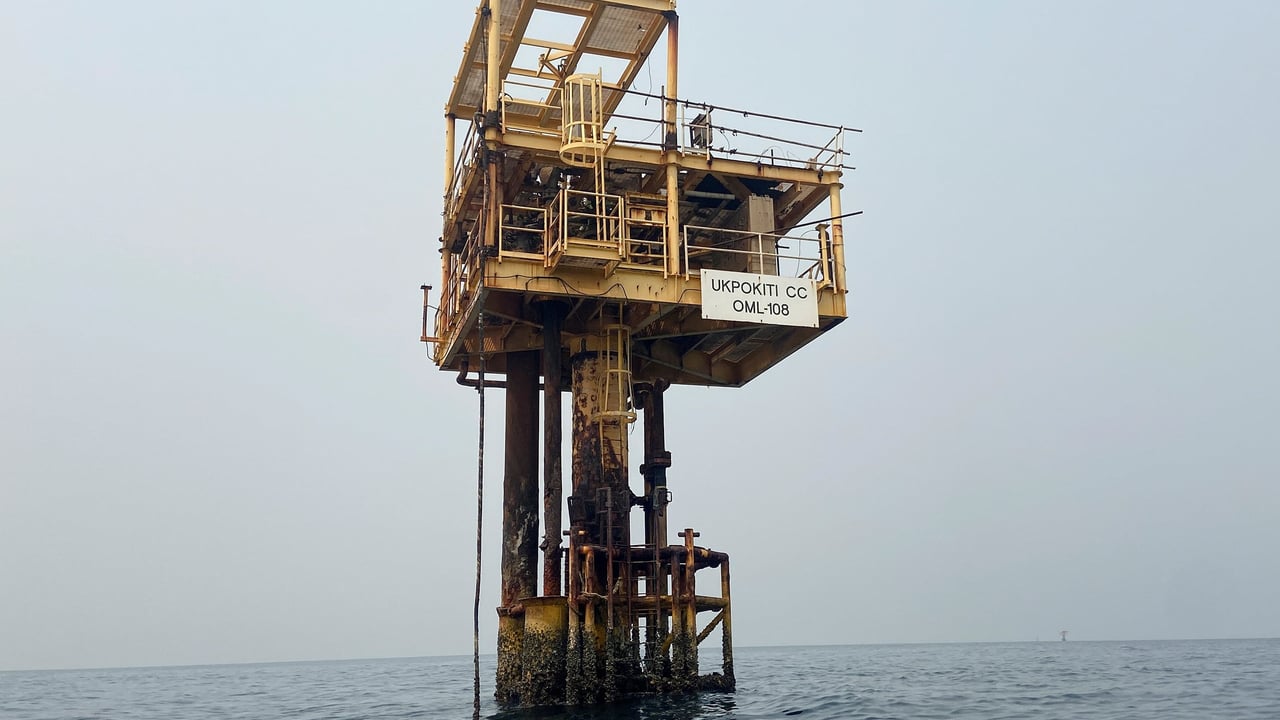
After years of divesting onshore assets due to security risks, international oil majors like ExxonMobil and TotalEnergies are now heavily investing in Nigeria's deep offshore fields. This strategic shift is driven by the significant potential of untapped deepwater reserves, reduced exposure to terrestrial security issues, and new supportive legislation, aiming to revitalize Nigeria's …
Imagine Nigeria has lots of hidden treasure (oil and gas) deep under the ocean, far from land. For a while, big treasure hunters (oil companies) were scared to look for it because of problems on land. But now, Nigeria has made new rules that make it safer and easier to find the treasure far out at sea. So, big companies like ExxonMobil and TotalEnergies are bringing their special ships and tools to dig for this deep-sea treasure again, hoping to find lots of it and help Nigeria get richer.
Analysis
A Strategic Shift to Deep Offshore
For years, international oil companies (IOCs) had been divesting their onshore assets in Nigeria, primarily due to persistent security challenges and operational complexities in the Niger Delta. This trend, which saw a significant wave of divestments between 2010-2014 and again from 2021, involved majors like Shell, Eni, ExxonMobil, and Equinor transferring fields, pipelines, and joint venture stakes to local operators. However, a notable reversal is now underway, with IOCs redirecting their capital and technical expertise towards Nigeria's deep offshore sector. This shift is driven by the promise of substantial volumes of oil and gas, coupled with significantly lower exposure to the security risks that plagued onshore operations. Abdullah Bukar, a former NNPC board member, confirms the deep offshore's attractiveness, citing maturing onshore reserves and under-exploited offshore resources, alongside recent geological discoveries that have bolstered confidence in the region's potential.
Nigeria's Ambitious Production Targets
The Nigerian government, under President Bola Tinubu, has set an ambitious target to increase the nation's total oil production to 3 million barrels per day by 2030, a significant jump from the current 1.6 million barrels per day. This goal is deemed realistic by experts like Abdullah Bukar, provided the renewed interest from international majors translates into sustained investments. ExxonMobil's $1 billion investment in the Usan field, aiming for 40,000 barrels per day, and Shell's $5 billion final investment decision for the Bonga North project, which involves drilling 16 wells and upgrading existing infrastructure, are key indicators of this potential. Several other major projects, including TotalEnergies' Preowei, Shell's Bonga Southwest-Aparo, Eni's Zabazaba-Etan, Chevron's Nsiko, and ExxonMobil's Bosi, Uge, Owowo, and Erha developments, are also under consideration, collectively representing billions in potential investment and significant production capacity.
The Impact of the Petroleum Industry Act
A critical catalyst for this resurgence of investment in Nigeria's deep offshore is the Petroleum Industry Act (PIA) of 2021. This landmark legislation played a pivotal role in resolving long-standing disputes concerning six Oil Mining Leases (OMLs) that had seen investments frozen for years. The Nigerian Upstream Petroleum Regulatory Commission (NUPRC) views ExxonMobil's return as direct evidence that the reforms initiated by the Tinubu administration, facilitated by the PIA, are successfully attracting capital back into a sector that had suffered from years of underinvestment. By providing a clearer regulatory framework and addressing historical grievances, the PIA has significantly de-risked deep offshore projects, making them more appealing to international investors seeking large-scale assets to bolster their portfolios over the coming decade, as highlighted by data and analytics firm Wood Mackenzie.
Key points
- International oil majors are shifting investments from Nigeria's onshore to deep offshore fields.
- ExxonMobil is investing $1 billion to resume drilling in the Usan field, targeting 40,000 barrels per day.
- Shell has made a $5 billion final investment decision for the Bonga North project.
- The Petroleum Industry Act (PIA) of 2021 is a key factor, resolving disputes and attracting capital.
- President Tinubu aims to increase Nigeria's oil production from 1.6 million to 3 million barrels per day by 2030.
The renewed investment by international oil majors, spurred by the Petroleum Industry Act, could significantly boost Nigeria's oil production, potentially reaching the ambitious target of 3 million barrels per day by 2030. This influx of capital and expertise is expected to generate substantial government revenue, create jobs, and stabilize the national economy, positioning Nigeria as a more reliable global energy supplier.
Despite the positive momentum, potential challenges remain, including the inherent volatility of global oil prices which could impact project profitability and investment appetite. Delays in project execution, unforeseen operational complexities in deep offshore environments, or a failure to fully implement the Petroleum Industry Act's provisions could hinder the sustained flow of capital and prevent Nigeria from achieving its production goals.
Market signals
- OIL Increased investment by major oil companies in Nigeria's deep offshore sector signals confidence in future oil demand and production growth.
- XOM The company's $1 billion investment in the Usan field and plans for other major projects indicate a strategic focus on high-volume, less risky deep offshore assets.
- TTE The company is actively pursuing major projects like Preowei, signaling renewed commitment to Nigeria's deep offshore sector.
AI-generated analysis of potential market relevance. Not financial advice.