Facebook announces face scanning to confirm you’re a human
Facebook has introduced a new verification system called Facebook Verified, which uses face scanning to confirm users are human. The process involves recording a short video selfie, which is checked against existing profile photos to confirm a match.
Intelligence analysis by Llama

Facebook has launched a new verification system called Facebook Verified, which uses face scanning to confirm users are human. The system is optional and can be used to authenticate profiles on Facebook.
Facebook has a new way to make sure you're a real person. They want to know that you're not a computer program. To do this, they ask you to record a short video of yourself, and then they check it against your other pictures on Facebook. This way, they can be sure that you're a real person and not a fake one.
Analysis
A New Era of Verification
Facebook Verified is a new way for Facebook users to confirm they're human by submitting a face scan to the service. This move comes as AI has made it easier to generate content, profiles, and messages, making it harder to know when a real person is behind a profile.
The process of getting verified is simple and free. Users record a short video selfie, which is checked against their existing profile photos to confirm a match. This process is similar to the iPhone's Face ID setup flow.
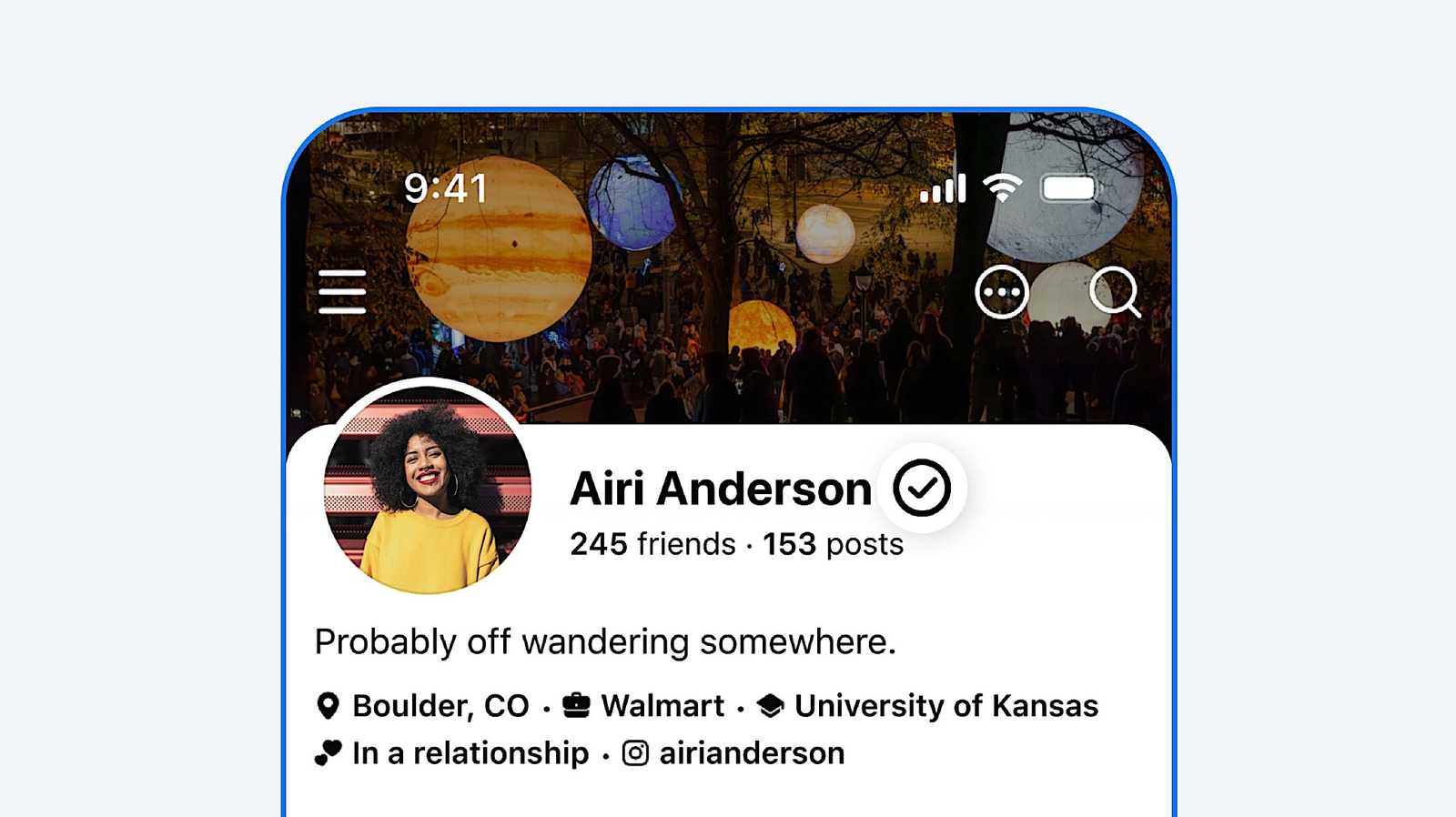
Once verified, the badge will display in various places on Facebook, including the user's Profile, Marketplace, Dating, and Groups. Facebook also plans to add the badge to posts in the Feed.
However, there are some limitations to the new system. Users must be 18 years or older and in good standing with the platform's Community Standards to qualify for Facebook Verified.
The Implications of Facebook Verified
The introduction of Facebook Verified raises several questions about the implications of this new system. For one, it could lead to a more secure and trustworthy experience on Facebook. However, it also raises concerns about privacy and the potential for bias in the verification process.
Another concern is that the system could be used to target and discriminate against certain groups of people. For example, if the system is biased towards certain demographics, it could lead to unequal access to Facebook's services.
The Road Ahead
As Facebook continues to evolve and adapt to the changing landscape of social media, it's clear that verification systems like Facebook Verified will play a crucial role in shaping the future of online interactions. By providing a way for users to know that there is a real person behind a profile, Facebook Verified aims to create a more secure and trustworthy experience for all users.
However, it's also important to consider the potential risks and implications of this new system. By being aware of these risks, we can work towards creating a more equitable and inclusive online environment.
Key points
- Facebook has introduced a new verification system called Facebook Verified
- The system uses face scanning to confirm users are human
- The process involves recording a short video selfie, which is checked against existing profile photos to confirm a match
- The badge will display in various places on Facebook, including the user's Profile, Marketplace, Dating, and Groups
- Users must be 18 years or older and in good standing with the platform's Community Standards to qualify for Facebook Verified
The introduction of Facebook Verified could lead to a more secure and trustworthy experience on Facebook. By providing a way for users to know that there is a real person behind a profile, Facebook Verified aims to create a more secure and trustworthy experience for all users.
The new verification system could be used to target and discriminate against certain groups of people. If the system is biased towards certain demographics, it could lead to unequal access to Facebook's services.