Facing settler violence, Palestinian farmers race to harvest
Palestinian farmers in the West Bank are urgently harvesting crops amidst escalating violence and arson attacks from Israeli settlers, transforming traditional celebrations into a desperate race against time and fear.
Intelligence analysis by Gemini 2.5 Flash
This article highlights the increasing desperation of Palestinian farmers in the occupied West Bank as they confront a surge in violence and arson by Israeli settlers while trying to harvest their livelihoods. It details how daily life and agricultural practices are severely disrupted, leading to a sense of urgency and fear, with criticism directed at the Israeli government for allege…
Imagine farmers trying to pick their yummy wheat and olives, but some grown-ups from nearby towns keep setting fires to their fields and breaking things. So, the farmers have to rush very quickly to gather their food before it gets ruined, which makes them feel like they are stealing their own crops, even though it's their land and their food.
Analysis
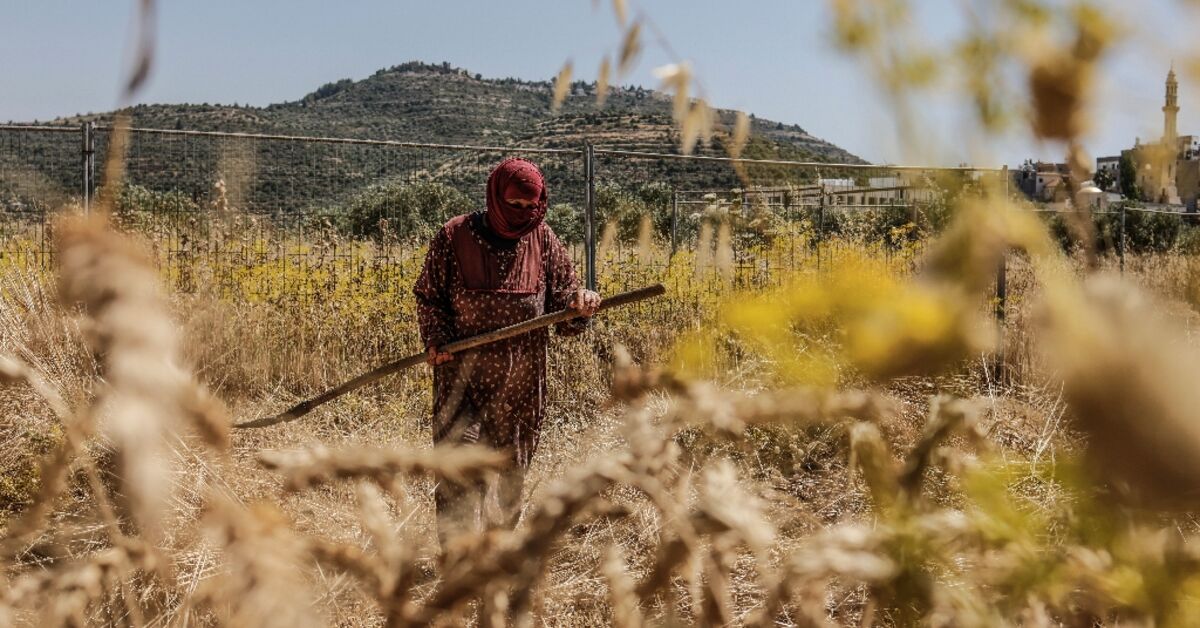
Palestinian farmers in the occupied West Bank are facing unprecedented challenges, racing to harvest their crops amid a significant increase in violence from Israeli settlers. Hamad Jazi, a farmer in As-Sawiyah, describes a fearful environment where settlers have recently committed arson, burning crops. He notes that what was once a season of abundance has become a race against time, driven by the need to harvest quickly and leave to avoid destruction.
Escalating Violence and Settlement Expansion
More than 500,000 Israelis reside in settlements in the occupied West Bank, which are considered illegal under international law. Rights groups assert that some settlers act with impunity, harassing Palestinian communities through property damage, crop vandalism, arson, and even killings. Data from the UN humanitarian agency OCHA indicates that 2026 has been one of the most violent years recorded, averaging six attacks per day.
This surge in violence coincides with the proliferation of settlements, an issue some Israeli politicians threaten to annex. Social media platforms feature videos, sometimes posted by the perpetrators themselves, showing settlers engaging in property damage and setting fires, instilling terror in villages.
Impact and Criticism
The attacks have drawn criticism within Israel, with opposition figures accusing Prime Minister Benjamin Netanyahu's government and its far-right allies of ignoring settler violence. Mahmud Fatafta, from the Palestinian Authority's agriculture ministry, reports that settlers killed or stole 8,000 goats or sheep in the West Bank in 2026. Additionally, 41,000 olive trees, a vital crop for Palestinians, were damaged by settlers or the Israeli military during the same year.
Hamad Jazi lamented the transformation of harvest traditions: "In the past, when we went out into the fields, the olive harvest was a celebration, the grain harvest was a celebration." Now, he explains, they "live those moments like thieves," feeling compelled to "steal" their own crops. He also criticized the Israeli military's requirement for farmers to coordinate with them before accessing their fields. Hikmat Abu Ras, head of As-Sawiya's village council, confirmed that his community and neighboring areas have endured near-daily settler attacks since October 2023, aimed at displacing them from their land and restricting their movement. Abu Ras described increasing movement restrictions, including gates blocking village entrances, further isolating communities and forcing farmers to "race against time just to make sure the settler does not come and seize what is on your land."
Key points
- Palestinian farmers in the West Bank are urgently harvesting crops due to escalating violence and arson attacks by Israeli settlers.
- 2026 has seen a significant increase in settler violence, averaging six attacks per day, including arson, property damage, and livestock theft.
- The violence is linked to the proliferation of Israeli settlements, which are considered illegal under international law.
- The Palestinian Authority's agriculture ministry reported that 8,000 animals were killed or stolen, and 41,000 olive trees were damaged in 2026.
- Palestinian farmers describe feeling like "thieves" when harvesting their own crops due to fear and restrictions imposed by the Israeli military and settlers.
The current escalation in settler violence and the ongoing expansion of illegal settlements suggest a worsening environment for Palestinian farmers, potentially leading to increased displacement, further destruction of livelihoods, and a deeper humanitarian crisis. The perceived impunity of settlers and continued movement restrictions could permanently alter Palestinian agricultural traditions and land access.