Family of former Vodafone manager found drowned call for ‘Adrian’s law’ to protect franchisees
The family of Adrian Howe, a former Vodafone manager who died by suicide, is campaigning for "Adrian's Law" to protect franchisees. This follows a recent settlement by Vodafone with 62 former franchisees over alleged unjust enrichment.
Intelligence analysis by Gemini 2.5 Flash Lite
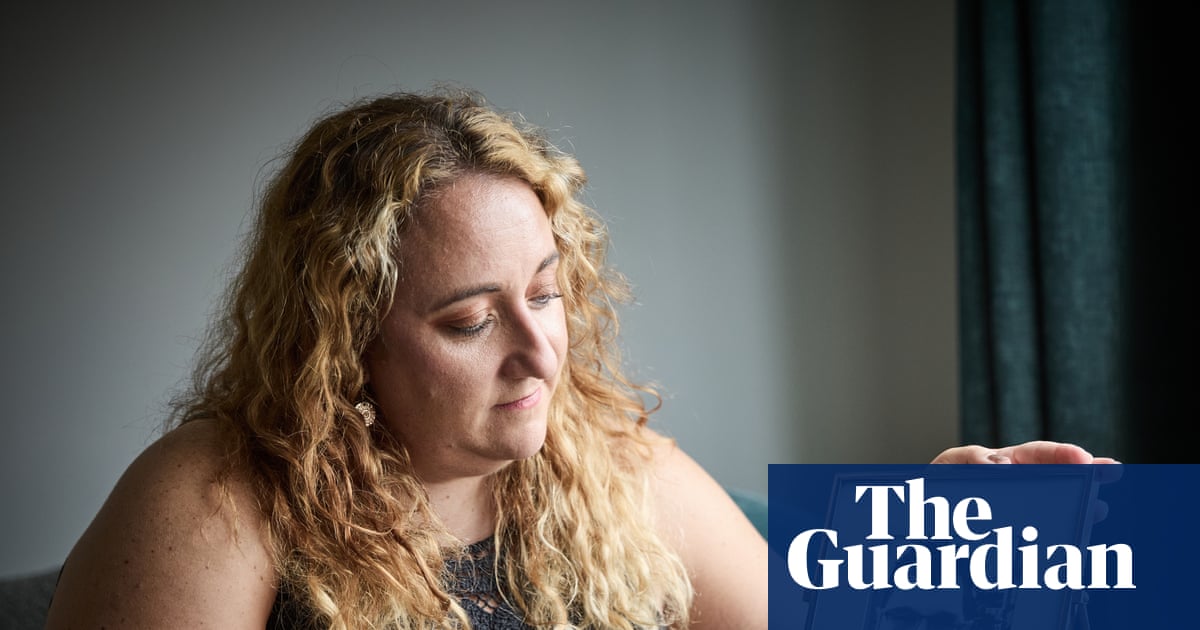
Adrian Howe's family is advocating for new legislation, dubbed "Adrian's Law," to safeguard franchisees in the UK. Howe died by suicide in 2018, with his family believing financial ruin from a new Vodafone franchise deal was a major factor. This campaign gains momentum after Vodafone recently settled a significant legal claim with other franchisees.
Imagine someone opens a small shop for a big company, like a lemonade stand for a giant soda brand. If the big company makes unfair rules or demands too much, the small shop owner can get into big trouble, even losing their house. Adrian's family wants a new rule, like a referee, to make sure big companies treat their small shop owners fairly, so no one gets hurt like their dad did.
Analysis
The Tragic Case of Adrian Howe
The death of Adrian Howe in 2018, shortly before his new Vodafone franchise was set to open, has become a focal point for a broader campaign to reform franchisee protections in the UK. Howe, a former Vodafone employee, reportedly became convinced that the financial commitments of his new franchise agreement would lead to ruin. His family, particularly his daughter Kirsty-Anne Holmes, believe that the absence of robust legal safeguards for franchisees contributed significantly to his despair and subsequent suicide. The family's advocacy aims to ensure that no other individual faces a similar fate due to predatory or unbalanced franchise contracts.
Howe's situation was exacerbated by Vodafone's requirement for him to take on a second, struggling franchise in Kilmarnock, in addition to his planned store in Irvine. This decision placed his family home at risk due to a personal guarantee he had provided to Vodafone. His own words, recalling that "Vodafone has me by the balls," underscore the immense pressure and perceived lack of control he felt. The timing of his death, just days before his business was due to launch, and a note found at his home referencing his desire for death on "1st September," paint a grim picture of his final days.
Broader Franchisee Exploitation and Vodafone's Legal Battles
Adrian Howe's case is not isolated. It echoes the experiences of 62 other former Vodafone franchisees who recently settled a legal claim against the company for an alleged £85m in unjust enrichment. These claimants, representing nearly 40% of Vodafone's franchisees at the time, had accused the company of actions that led to financial hardship and, in some cases, suicidal thoughts. While Vodafone settled this claim "without any admission of liability," the sheer number of claimants and the nature of their allegations suggest systemic issues within the company's franchise model.
The Guardian's previous reporting in December 2024 brought the plight of these franchisees to light, prompting an apology from Vodafone. However, the company has consistently rejected claims of knowingly or negligently pressuring its franchisees. Despite these denials, the ongoing legal battles and the tragic circumstances of Howe's death raise serious questions about corporate responsibility and the ethical treatment of business partners.
The Push for "Adrian's Law"
Kirsty-Anne Holmes's campaign for "Adrian's Law" seeks to establish a governing body and introduce regulations to oversee franchise contracts in the UK. She argues that the current system, where franchisors can impose terms like personal guarantees without adequate oversight, is fundamentally flawed and dangerous. Her meeting with a representative from the Department for Business and Trade signifies a potential step towards legislative change, a prospect previously acknowledged by Keir Starmer, who pledged to review franchising laws following Howe's case.
The "Adrian's Law" initiative aims to prevent future tragedies by ensuring greater transparency, fairness, and protection for individuals entering into franchise agreements. The family's determination to keep Howe's story in the public eye, despite changes in government, underscores their commitment to achieving justice and implementing meaningful reform in the franchising sector.
Key points
- Adrian Howe's family is campaigning for "Adrian's Law" to protect franchisees in the UK after his death by suicide.
- Howe's family believes financial ruin from a new Vodafone franchise deal contributed to his death.
- Vodafone recently settled a £85m legal claim with 62 former franchisees alleging unjust enrichment.
- The campaign seeks government regulation of franchise contracts, including oversight and fairer terms.
- Previous reports highlighted franchisee criticism of Vodafone's practices and their impact on mental health.
The campaign for "Adrian's Law" could lead to stronger regulations that protect franchisees from exploitative contract terms, fostering a more equitable business environment. Increased oversight might encourage franchisors to adopt fairer practices, potentially reducing financial distress and improving mental well-being among small business owners.
Despite the family's efforts, legislative change can be slow and may face resistance from powerful franchisors. Without robust enforcement mechanisms, "Adrian's Law" might not effectively prevent future harm, leaving franchisees vulnerable to unfair practices and financial ruin.