FAO lays groundwork for livestock production in northwest Iran
A delegation from the Food and Agriculture Organization of the United Nations (FAO) conducted a four-day field mission to support sustainable livestock development in northwest Iran. The mission aimed to assess field conditions and collect information for the project 'Emp…
Intelligence analysis by Llama
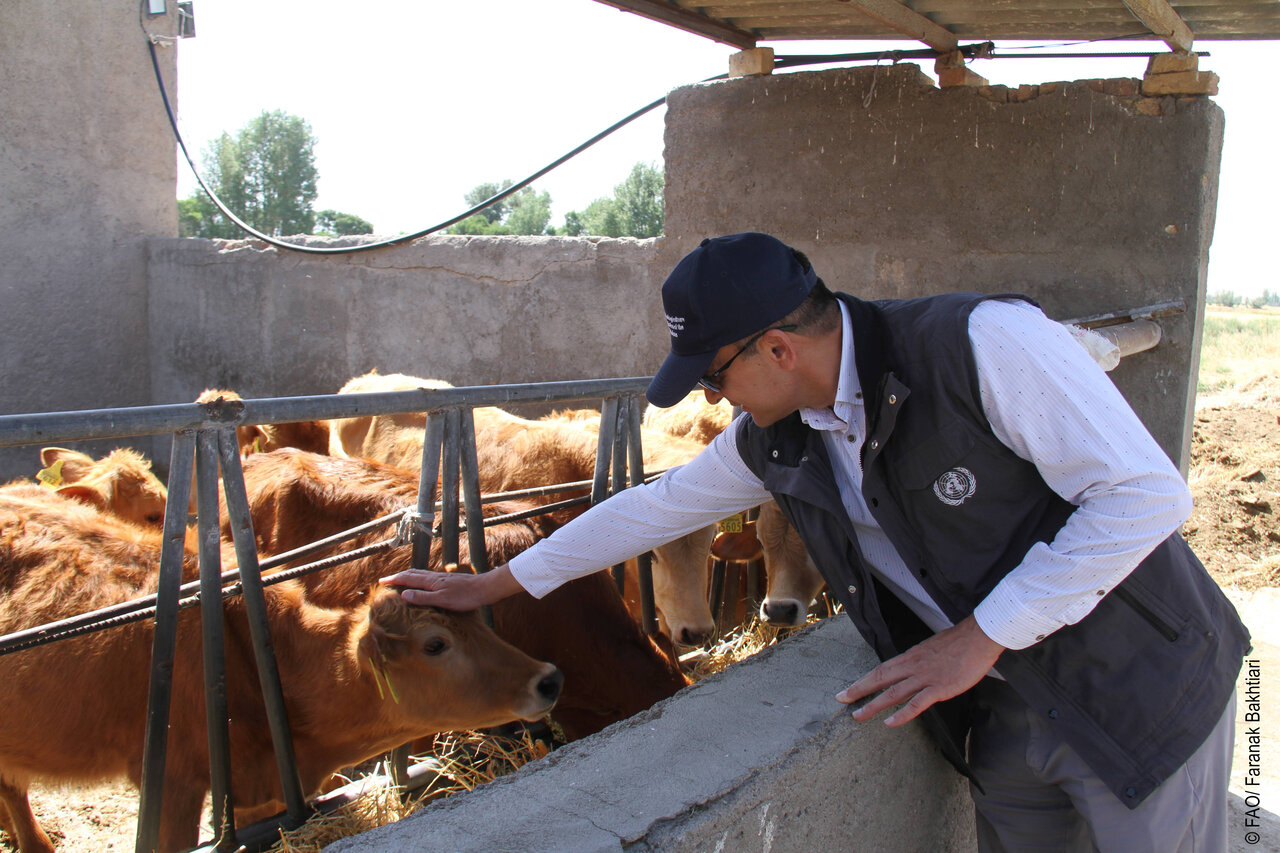
The FAO delegation visited livestock production areas in Ardabil, East Azarbaijan, West Azarbaijan, and Kordestan provinces to discuss the status of livestock production systems, indigenous breeds, and community priorities. The consultations aimed to validate and refine the project's planned interventions while gathering technical information to support evidence-based implementation.
Imagine a special kind of farm where animals like camels, cows, and goats live. These animals are very important for the people who live in the area because they help them make a living and keep their culture alive. The FAO is helping the people in this area to take care of these animals and make sure they have a good home. This will help the people and the animals, and it's a good thing for the whole community.
Analysis
A $60B Vote of Confidence
The FAO's project to empower local communities in northwest Iran is a significant investment in the region's agricultural biodiversity and rural development. The project's focus on conserving and developing endangered indigenous livestock breeds is crucial for the region's cultural identity and resilience. The delegation's field mission was an essential step in understanding the realities and priorities of livestock producers and locals, ensuring that project activities respond to their needs.
Why Cursor?
The project's planned interventions, including the rehabilitation of grazing areas, strengthening milk and mohair processing facilities, and providing training and capacity-development opportunities, are designed to deliver sustainable benefits for rural communities. The project's focus on value chains and market opportunities will help improve incomes and economic resilience in rural areas.
The Road Ahead
The project's success will depend on the effective collaboration between the FAO, national and provincial partners, and local stakeholders. The project's operational planning should reflect the opportunities and challenges identified during the consultations. The FAO's investment in the project is a vote of confidence in the region's agricultural potential and its people's ability to adapt and thrive in the face of challenges.
Key points
- The FAO conducted a four-day field mission to support sustainable livestock development in northwest Iran.
- The mission aimed to assess field conditions and collect information for the project 'Empowering Local Communities to Conserve and Develop Endangered Indigenous Livestock Gene Pool in the Northwest of Iran'.
- The project will invest in the rehabilitation of grazing areas, strengthen milk and mohair processing facilities, and provide training and capacity-development opportunities for livestock keepers, technical experts, and policymakers.
- The project will focus on value chains and market opportunities to improve incomes and economic resilience in rural areas.
If the project is successful, it will have a positive impact on the rural communities in northwest Iran, improving their livelihoods, cultural identity, and resilience. The project's focus on conserving and developing endangered indigenous livestock breeds will contribute to the region's agricultural biodiversity and promote sustainable livestock development.
The project's success will depend on the effective collaboration between the FAO, national and provincial partners, and local stakeholders. If the project fails to deliver sustainable benefits for rural communities, it may lead to a decline in the region's agricultural biodiversity and a loss of cultural identity.