FATF Updates Grey List: Iraq and Bosnia Added, Algeria and Namibia Removed
FATF updates its grey list, adding Iraq and Bosnia, while removing Algeria and Namibia. Iraq's addition comes as the country's Prime Minister Ali Zaidi prioritizes economic rebuilding and anti-corruption efforts.
Intelligence analysis by Llama 3.3 70B
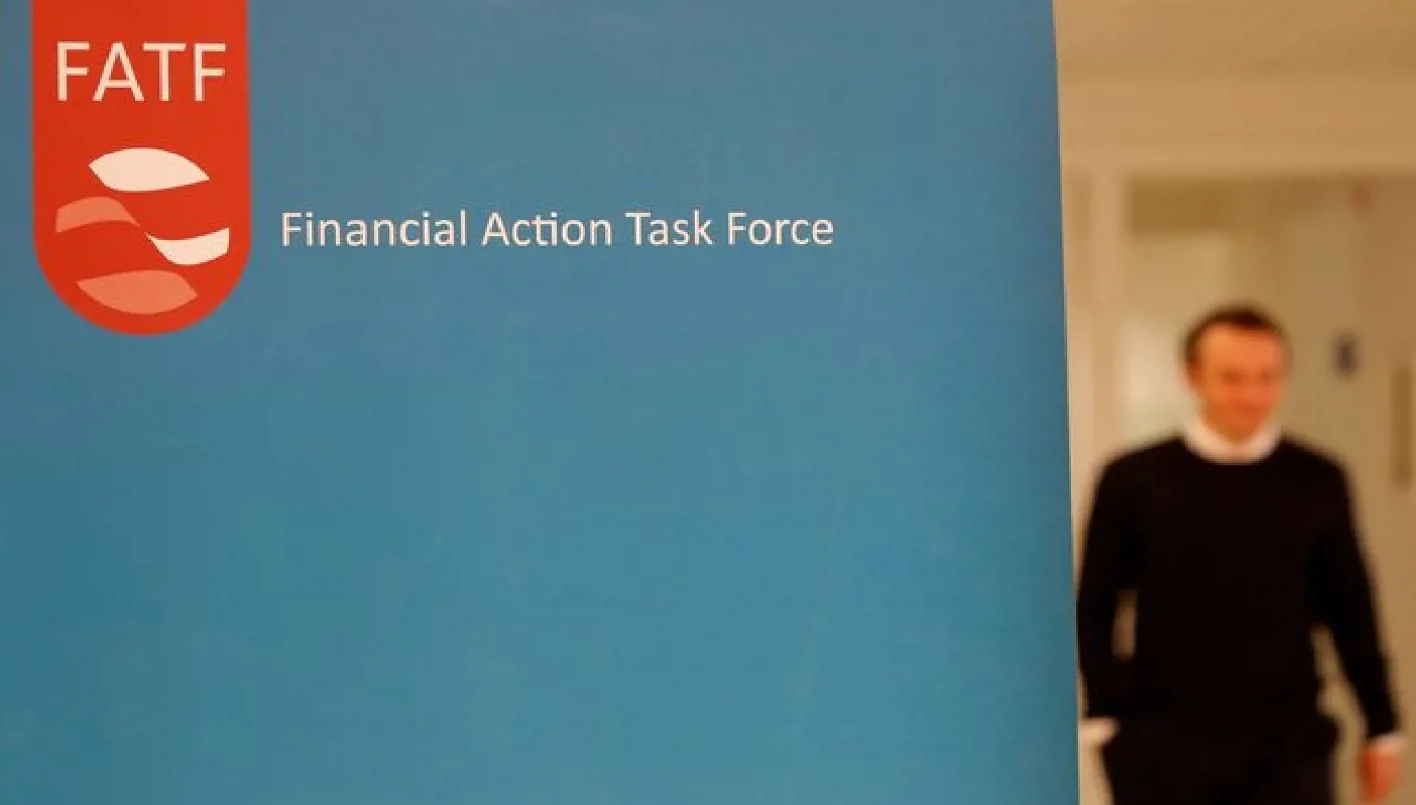
The Financial Action Task Force (FATF) has updated its grey list, which includes countries under increased monitoring for anti-money laundering and financial crime. Iraq and Bosnia have been added, while Algeria and Namibia have been removed due to progress in their defensive systems.
Imagine a list of countries that need to do a better job of stopping bad people from using their banks and financial systems to do illegal things. This list is called the 'grey list'. Recently, two new countries, Iraq and Bosnia, were added to this list because they need to improve their rules and oversight to prevent money laundering and financial crime. On the other hand, two countries, Algeria and Namibia, were removed from the list because they have made good progress in fixing their problems.
Analysis
Introduction to FATF's Grey List
The Financial Action Task Force (FATF) is an intergovernmental organization that sets standards for anti-money laundering and combating financial crime. The grey list is a category of countries that are under increased monitoring due to strategic deficiencies in their anti-money laundering and financial crime regimes.
Iraq's Addition to the Grey List
Iraq's addition to the grey list comes as the country's Prime Minister Ali Zaidi has prioritized economic rebuilding and anti-corruption efforts. The country faces significant challenges in addressing its economic and financial vulnerabilities, including a large informal economy and a lack of effective anti-money laundering regulations.
Bosnia's Inclusion and the Need for Enhanced Defensive Measures
Bosnia's inclusion on the grey list highlights the need for the country to enhance its defensive measures against money laundering and financial crime. The country's banking sector has been identified as a high-risk area, and the government needs to implement more effective regulations and oversight to prevent illicit financial activities.
Progress in Algeria and Namibia
The removal of Algeria and Namibia from the grey list demonstrates the progress these countries have made in strengthening their defensive systems. Algeria has implemented significant reforms in its anti-money laundering regulations, including the establishment of a financial intelligence unit and the enhancement of its banking sector regulations. Namibia has also made significant progress in addressing its anti-money laundering vulnerabilities, including the implementation of a risk-based approach to anti-money laundering supervision.
Key points
- FATF updates its grey list, adding Iraq and Bosnia
- Algeria and Namibia removed from the list due to progress in their defensive systems
- Iraq's addition highlights the need for economic rebuilding and anti-corruption efforts
- Bosnia's inclusion requires enhanced defensive measures against money laundering and financial crime
The update to the grey list reflects the ongoing efforts to combat financial crime and money laundering globally. If Iraq and Bosnia can address their strategic deficiencies and implement effective anti-money laundering regulations, they can reduce their risk of financial crime and attract more foreign investment. The removal of Algeria and Namibia from the list also demonstrates that countries can make progress in strengthening their defensive systems and improve their global reputation.
The addition of Iraq and Bosnia to the grey list may lead to increased scrutiny and potential economic sanctions, which could negatively impact their economies. If these countries fail to address their strategic deficiencies, they may face further action from the FATF, including being added to the black list, which could lead to more severe economic consequences. Additionally, the removal of Algeria and Namibia from the list may not be permanent, and they may be re-added if they fail to maintain their progress in addressing their anti-money laundering vulnerabilities.