Father Leaves 7-Year-Old Son Alone on Japan's Mount Fuji to Continue Hiking
A Japanese father left his 7-year-old son alone on Mount Fuji for several hours, sparking criticism from authorities. The boy was found with a can of soda and a snack, while his father continued his hike.
Intelligence analysis by Llama
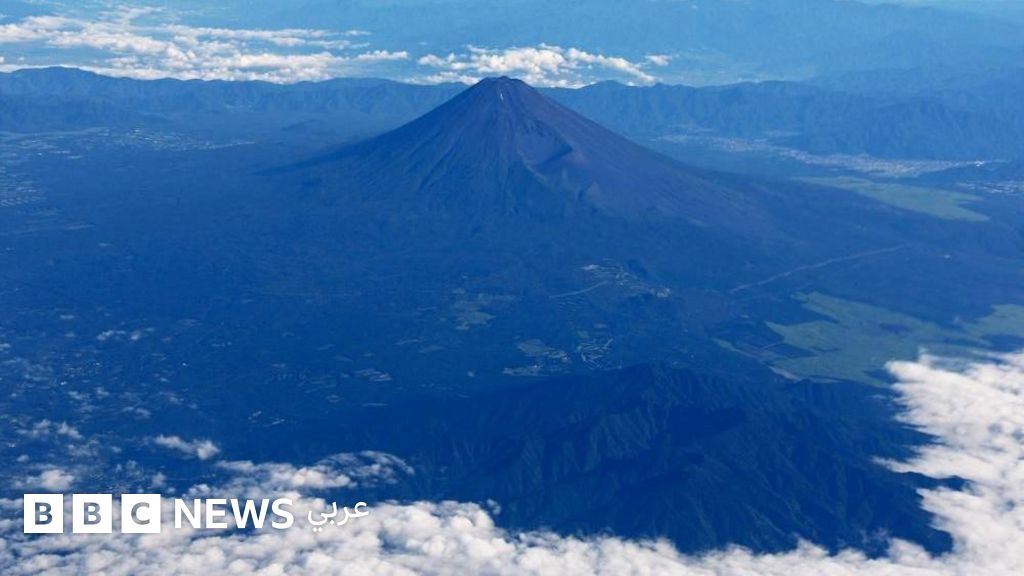
A Japanese father has been criticized for leaving his 7-year-old son alone on Mount Fuji, sparking concerns about child safety and responsible parenting. The incident has raised questions about the country's approach to child welfare and the importance of prioritizing children's needs.
Imagine leaving your little brother or sister alone on a big mountain with only a can of soda and a snack. That's what happened to a 7-year-old boy in Japan. His dad left him behind to continue hiking, and the boy was very scared and alone. This is not a good thing to do, and it's not safe for kids to be left alone like that.
Analysis
The Incident: A Father's Decision to Leave His Son Alone on Mount Fuji
The incident in question occurred on Mount Fuji, one of Japan's most iconic and revered mountains. A 48-year-old father, accompanied by his 7-year-old son, had begun their ascent up the mountain. However, as they reached a certain point, the father decided to leave his son behind, telling him to wait for him while he continued his hike. The son, feeling tired and frustrated, was left alone for several hours, with only a can of soda and a snack to sustain him.
The Consequences: Criticism and Concerns
The father's decision to leave his son alone on the mountain sparked widespread criticism and concern from authorities and the public. The police were called, and the father was eventually found and reprimanded for his actions. The incident has raised questions about the cultural norms and values that underlie parenting practices in Japan, and the importance of prioritizing children's needs and safety.
The Broader Implications: Child Welfare and Parenting Practices
The incident on Mount Fuji has highlighted the need for greater awareness and education about child welfare and parenting practices in Japan. It has also raised questions about the country's approach to child safety and the importance of prioritizing children's needs. As a society, we must prioritize the well-being and safety of our children, and ensure that they are protected from harm and neglect.
The Cultural Context: Japan's Approach to Parenting and Child Welfare
In Japan, parenting practices and child welfare are deeply ingrained in the country's culture and values. However, the incident on Mount Fuji has highlighted the need for greater awareness and education about the importance of prioritizing children's needs and safety. It is essential that we recognize the importance of child welfare and take steps to ensure that children are protected from harm and neglect.
Key points
- A Japanese father left his 7-year-old son alone on Mount Fuji for several hours.
- The boy was found with a can of soda and a snack, while his father continued his hike.
- The incident sparked criticism and concern from authorities and the public.
- The father was reprimanded for his actions, and the incident has raised questions about parenting practices in Japan.
- The importance of prioritizing children's needs and safety has been highlighted by the incident.
If the father had been more responsible and prioritized his son's safety, the incident on Mount Fuji could have been avoided. This could have led to a more positive outcome for the family and a greater sense of trust and security for the child.
The incident on Mount Fuji highlights the potential risks and consequences of neglecting children's needs and safety. If the father had continued to prioritize his own desires over his son's well-being, the outcome could have been much worse, potentially leading to serious harm or even death.