Fault lines for both parties emerge after Michigan’s primaries: From the Politics Desk
Michigan's primaries underscored challenges for both parties in the general election. Democrats are scrambling to come together after divisive contests, while Republicans are navigating President Donald Trump's sagging approval ratings.
Intelligence analysis by Llama
Michigan's primaries highlighted the challenges both parties will face in the general election. Democrats are struggling to unite after divisive contests, while Republicans are dealing with President Trump's low approval ratings.
Imagine you're in a big team, and some people want to do things one way, while others want to do things another way. That's kind of what's happening with the Democrats in Michigan. They're trying to figure out how to work together after some people didn't agree on how to do things. Meanwhile, the Republicans are dealing with the fact that President Trump isn't very popular right now, and that's making it harder for them to win elections.
Analysis
Michigan's Divided Democrats
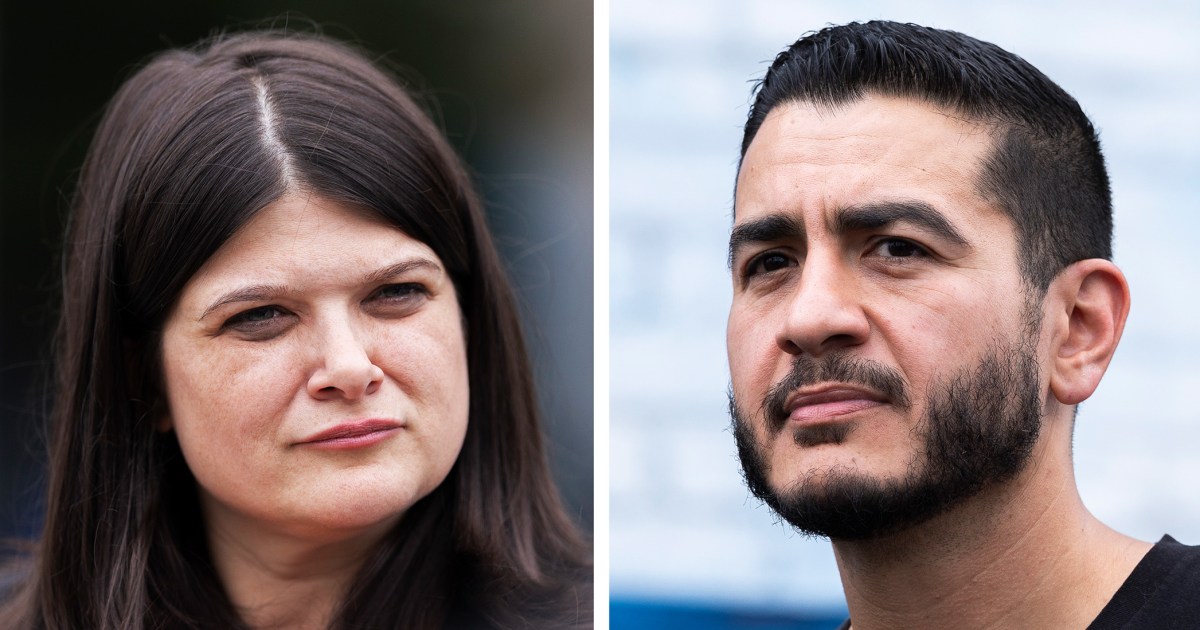
The Michigan primaries have left Democrats with a significant challenge: uniting their party after a divisive contest. Progressive Abdul El-Sayed's victory over moderate Rep. Haley Stevens has highlighted the tension between the party's progressive and moderate wings. As El-Sayed shifts to the general election, Democrats will be forced to contend with attacks from Republicans who are eager to tie candidates to the party's ascendant democratic socialist wing.
Republicans' Trump Problem
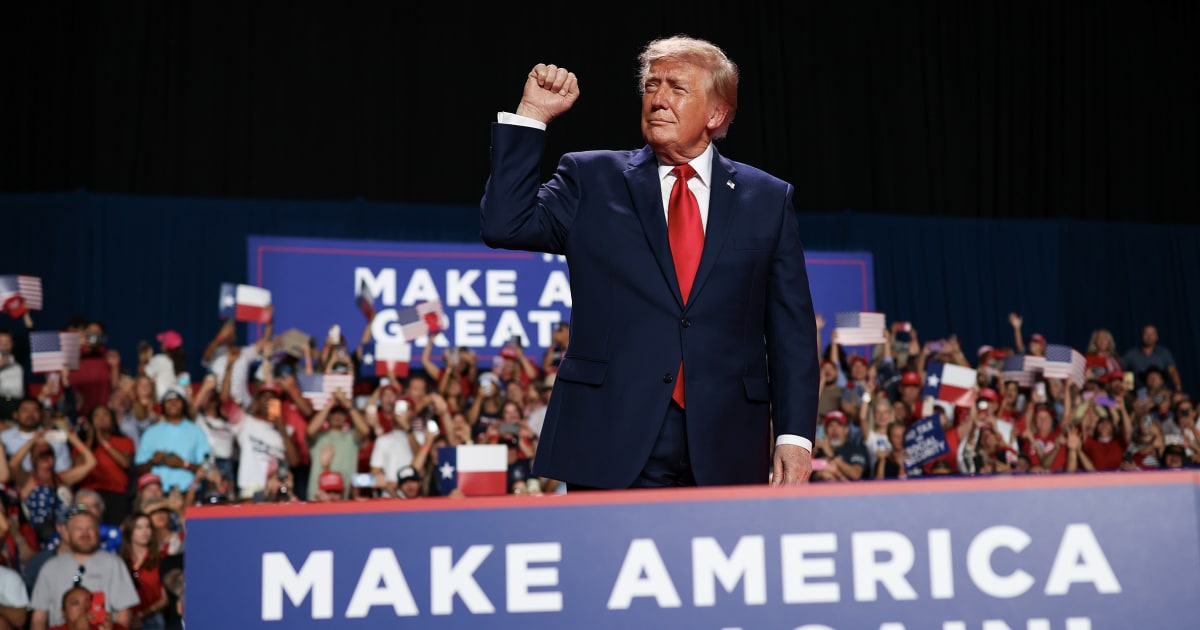
President Donald Trump's sagging approval ratings are a significant challenge for Republicans in Michigan. Voters continue to give him low marks on his handling of the economy and the Iran war. This is particularly evident in the competitive House race in Michigan's 7th District, where Trump carried the district by just 1 point in 2024. Progressive activist William Lawrence won the Democratic primary in this district, and he plans to counter attacks from Republicans by staying focused on issues that appeal to people across the political spectrum.
A Critical Republican Holdout
Sen. Bill Cassidy's support for President Trump's pick of Todd Blanche for attorney general is a significant development. Cassidy's vote is likely to assure Blanche's confirmation, and it highlights the challenges that Republicans face in navigating President Trump's low approval ratings. Cassidy's decision to support Blanche is also a reflection of the party's efforts to find common ground and move forward despite the challenges posed by President Trump's presidency.
Key points
- Michigan's primaries highlighted the challenges both parties will face in the general election.
- Democrats are struggling to unite after divisive contests.
- Republicans are dealing with President Trump's low approval ratings.
- Sen. Bill Cassidy's support for President Trump's pick of Todd Blanche for attorney general is a significant development.
- The outcome of the Michigan primaries has significant implications for the general election.
If the Democrats can find a way to unite and focus on issues that appeal to people across the political spectrum, they may be able to overcome their challenges and win the general election. Additionally, if the Republicans can find a way to distance themselves from President Trump's low approval ratings, they may be able to improve their chances of winning.
If the Democrats continue to struggle with unity and the Republicans are unable to distance themselves from President Trump's low approval ratings, it could lead to a difficult general election for both parties. Additionally, if the economy continues to struggle and the Iran war continues to be a point of contention, it could further exacerbate the challenges facing both parties.