FCC overturns limit on local TV ownership in win for media conglomerates
The Federal Communications Commission (FCC) voted to overturn a rule that prevented any one company from owning stations that collectively reach more than 39% of all US TV households. The move is a win for television conglomerates that aim to expand their reach across the…
Intelligence analysis by Llama
The FCC has voted to repeal a rule that limited the ownership of local TV stations, a move that is expected to benefit large media conglomerates at the expense of local journalism.
Imagine you have a local TV station that shows news and shows about your community. Now, a big company can own many of these stations and show the same shows everywhere. This means that local news and shows might disappear, and we might only see the same shows everywhere.
Analysis
The FCC's Authority to Repeal the Cap
The FCC has the authority to modify the cap as it did today, and it is the right policy answer if you care about the future of trusted local news. The 39% national cap came out of a 2003 compromise hammered out by congressional negotiators, and it was intended to promote competition in the television industry. However, the FCC's media bureau argued that the cap was no longer necessary in the current media environment and that it 'constrains' local television networks from increasing their scale.
The Impact on Local Journalism
The decision to repeal the cap is a blow to local journalism, which is already struggling to survive. The FCC's move will allow large media conglomerates to expand their reach across the country, potentially leading to the consolidation of the television industry. This could result in the loss of local news outlets and the homogenization of programming. Anna M Gomez, the lone Democrat on the FCC, voted against overturning the cap, an action she said was 'unlawful' and would hurt local journalism.
The Reaction from Advocacy Groups
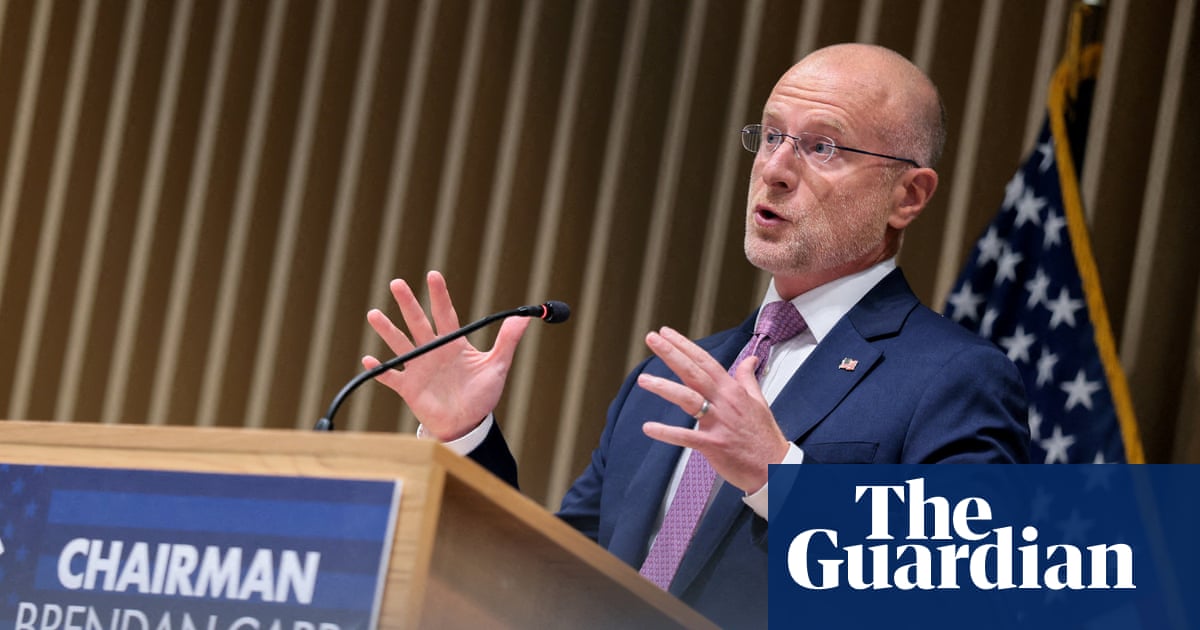
The decision drew heavy criticism from groups that advocate for press freedom and media pluralism. A group of protesters demonstrated outside the FCC building in Washington, holding out photos of Carr's face with the word 'shame' on it. Matt Wood, vice-president of policy and general counsel of Free Press, an advocacy organization that aims to promote free speech, said: 'Changing this limit requires congressional action, but Carr doesn't care. He'll do whatever it takes to clear the way for Trump-aligned billionaires to swallow up stations wherever and whenever they please.'
Key points
- The FCC has voted to repeal a rule that limited the ownership of local TV stations.
- The decision is a win for television conglomerates that aim to expand their reach across the country.
- The move is expected to benefit large media conglomerates at the expense of local journalism.
- The decision drew heavy criticism from groups that advocate for press freedom and media pluralism.
If the FCC's decision leads to more consolidation in the television industry, it could result in the loss of local news outlets and the homogenization of programming. However, it's also possible that the decision will lead to more investment in local journalism and the creation of new content.
The decision to repeal the cap is a blow to local journalism, and it could result in the loss of local news outlets and the homogenization of programming. This could lead to a decline in the quality of local news and the loss of diverse perspectives.