FDA orders new warning on GLP-1s over rare eye condition linked to sudden blindness
FDA requires new warning labels for GLP-1 drugs after finding a potential increased risk of a rare eye condition called NAION.
Intelligence analysis by Qwen 2.5 (3B)
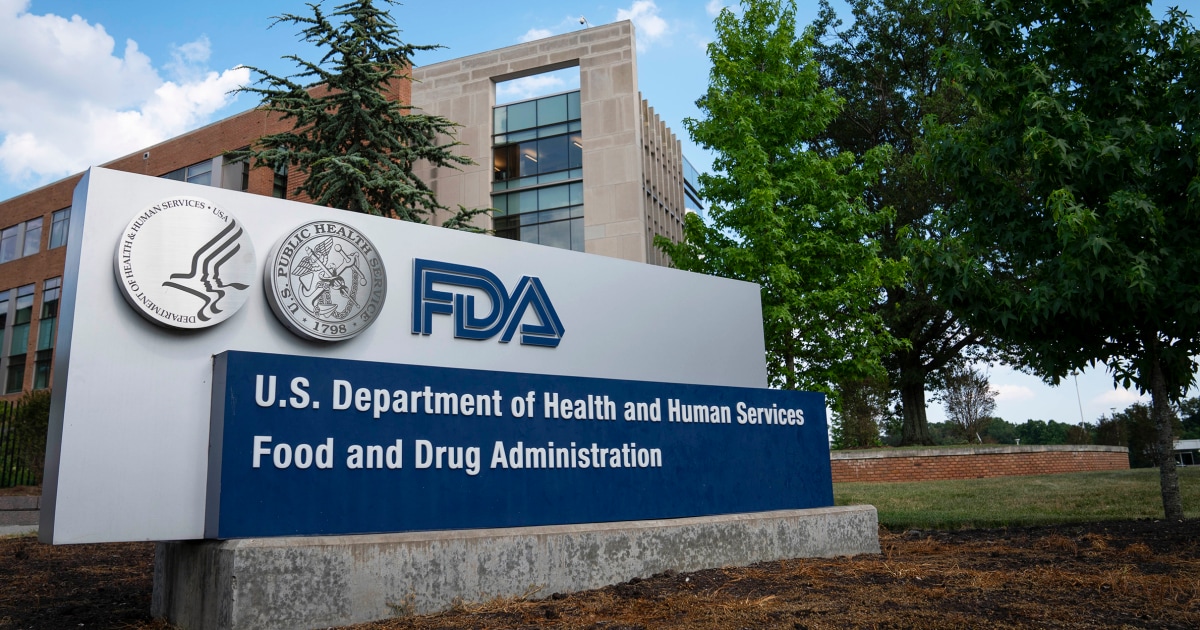
The FDA has ordered new warning labels for GLP-1 drugs after finding a potential increased risk of a rare eye condition called NAION, which can cause sudden vision loss.
The FDA found that some people who take a type of medicine called GLP-1 drugs might have a rare eye problem called NAION. This problem can make their vision go away suddenly and can't be fixed. The FDA told the makers of these medicines to put a warning on their labels so people know about this risk.
Analysis
{"heading_1":"Background on GLP-1 Drugs and NAION","paragraph_1":"The new warning labels will help patients and healthcare providers be more aware of the potential risks associated with GLP-1 drugs and NAION.","paragraph_2":"The FDA has also updated the labels for Novo Nordisk's Ozempic and Wegovy and Eli Lilly's Mounjaro and Zepbound, as well as several older GLP-1 diabetes medications.","paragraph_3":"The FDA reviewed reports of side effects and analyzed data from multiple clinical trials to find a potential link between GLP-1 drugs and NAION.","heading_2":"Risk Factors for NAION","heading_3":"Impact on Patients and Healthcare Providers"}
Key points
- FDA requires new warning labels for GLP-1 drugs
- Potential link found between GLP-1 drugs and NAION
- NAION is a rare eye condition that can cause sudden vision loss
- Risk factors for NAION include Type 2 diabetes, sleep apnea, and hypertension
- The FDA has updated the labels for several GLP-1 drugs
The new warning labels will help people who take these medicines be more careful and might prevent some people from getting this eye problem.
If some people still don't read the warning labels, they might still get this eye problem and their vision might go away suddenly.