Federal Government: Schenderlein Moves to Health Ministry
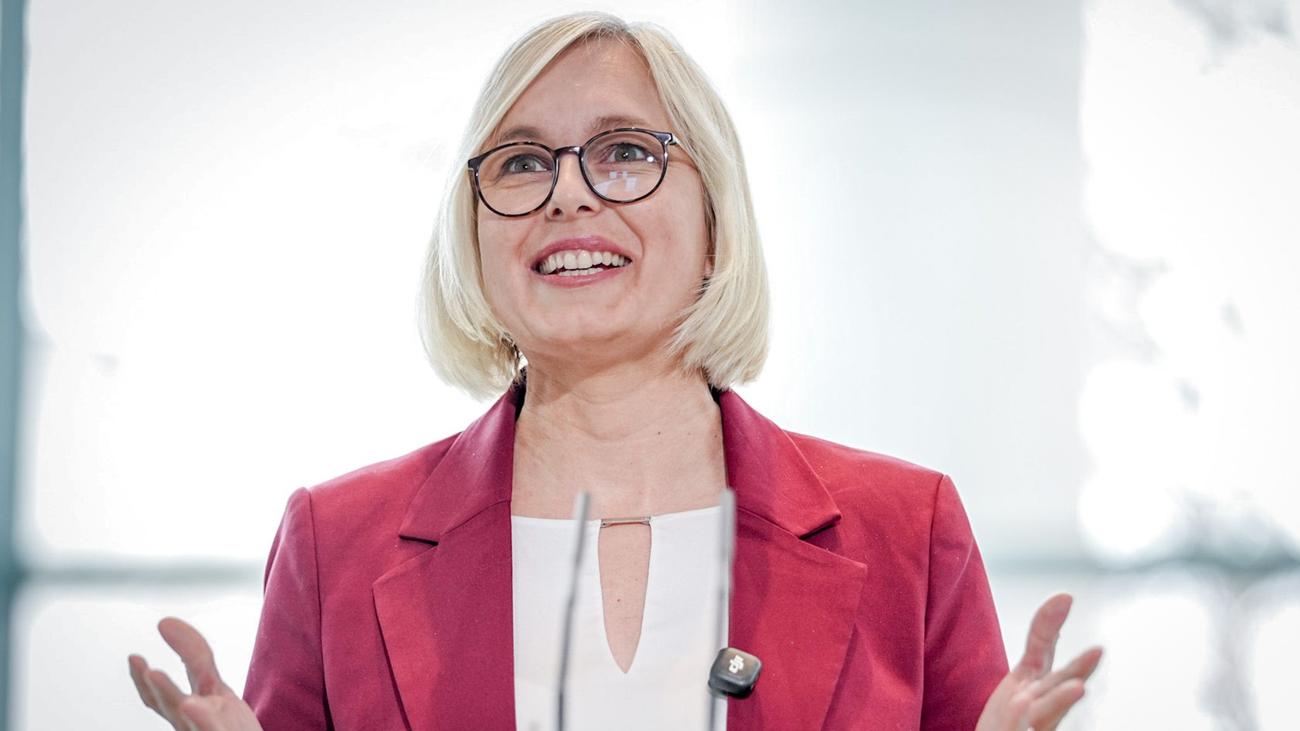
Christiane Schenderlein, a CDU politician from Saxony, has transitioned from her role as Minister of State for Sport in the Chancellery to become Parliamentary State Secretary in the Federal Ministry of Health, an announcement made by Chancellor Friedrich Merz. This move …
Intelligence analysis by Gemini 2.5 Flash
Christiane Schenderlein's shift to the Health Ministry as Parliamentary State Secretary, announced by Chancellor Merz, has been met with mixed reactions. While her previous successes in sports policy are highlighted by the Saxon CDU, her new role is framed as an opportunity for a "strong voice from East Germany" to influence critical health and care reforms, especially after initial d…
Imagine a very important person who used to help with sports for the whole country is now going to help with how doctors and hospitals work. Some people from her home region were a bit sad she left her old job, but now they are happy she will speak up for them in her new, very important role, especially about making sure everyone gets good healthcare.
Analysis
A Strategic Personnel Shift
The appointment of Christiane Schenderlein as Parliamentary State Secretary in the Federal Ministry of Health marks a notable reshuffle within Chancellor Friedrich Merz's government. Schenderlein, a CDU politician from Saxony, previously served as Minister of State for Sport in the Chancellery. Her departure from the Chancellery had reportedly caused "massive discontent" among East German state associations, suggesting that the move was not entirely without political friction. This new role, however, positions her in a ministry grappling with significant legislative challenges, indicating a strategic placement rather than a demotion. The Chancellor's announcement underscores the federal government's intent to continue its reform agenda, with Schenderlein now playing a direct role in its execution.
East German Representation and Policy Influence
The Saxon CDU has been quick to frame Schenderlein's new position as a positive development, emphasizing her continued importance as a "strong voice from East Germany." This highlights the ongoing political sensitivity around regional representation, particularly for the eastern states, within the federal government. Her previous tenure as Minister of State for Sport was lauded by CDU General Secretary Tom Unger for achievements such as the Sports Promotion Act, tax relief for volunteers, and increased funding for sports and volunteering, including investments in elite sports facilities in Saxony and the establishment of an elite sports agency in Leipzig. These successes are now being leveraged to underscore her capacity to deliver results in her new, arguably more impactful, portfolio.
Critical Reforms in Health and Care
Schenderlein's new responsibilities in the Federal Ministry of Health will involve contributing to the implementation of crucial reforms in statutory health insurance, structural reforms, and long-term care. These are areas of significant public interest and political debate, with the Saxon CDU explicitly stating that "Saxon citizens also have legitimate expectations of the federal government" in these matters. Her involvement is therefore presented as a direct channel for regional concerns to be addressed at the federal level. The article concludes by stressing the federal government's obligation to "return to substantive work and continue the reform course for Germany," implying that the success of these reforms, and by extension the government's performance, will be closely watched by voters.
Key points
- Christiane Schenderlein has moved from Minister of State for Sport to Parliamentary State Secretary in the Federal Ministry of Health.
- Chancellor Friedrich Merz announced the appointment, following prior discontent among East German state associations regarding her Chancellery departure.
- The Saxon CDU highlighted her past successes in sports policy, including the Sports Promotion Act and increased funding for sports and volunteers.
- In her new role, Schenderlein will contribute to major reforms in statutory health insurance, structural reforms, and long-term care.
- Her appointment is seen by the Saxon CDU as providing a "strong voice from East Germany" for regional interests in federal health policy.
Schenderlein's appointment could bring a fresh perspective and strong regional advocacy to the critical health and care reforms, potentially leading to more inclusive and effective policies that address the specific needs and expectations of citizens, particularly in East Germany. Her proven track record in her previous role suggests she can drive legislative success.
The initial "massive discontent" among East German state associations over her departure from the Chancellery suggests underlying political tensions that could resurface. If Schenderlein fails to deliver on the high expectations for health reforms, it could further erode trust in the federal government's ability to address regional concerns and implement its agenda effectively.