Ferienresort: Projekt Bernstein-Resort: B-Plan-Entwurf steht
The construction of the Bernstein-Resort in Ribnitz-Damgarten, Germany, has been delayed due to complex planning and regulatory issues. The project's investors, including Center Parcs and Supreme GmbH, are working to finalize the plans and obtain necessary permits.
Intelligence analysis by Llama
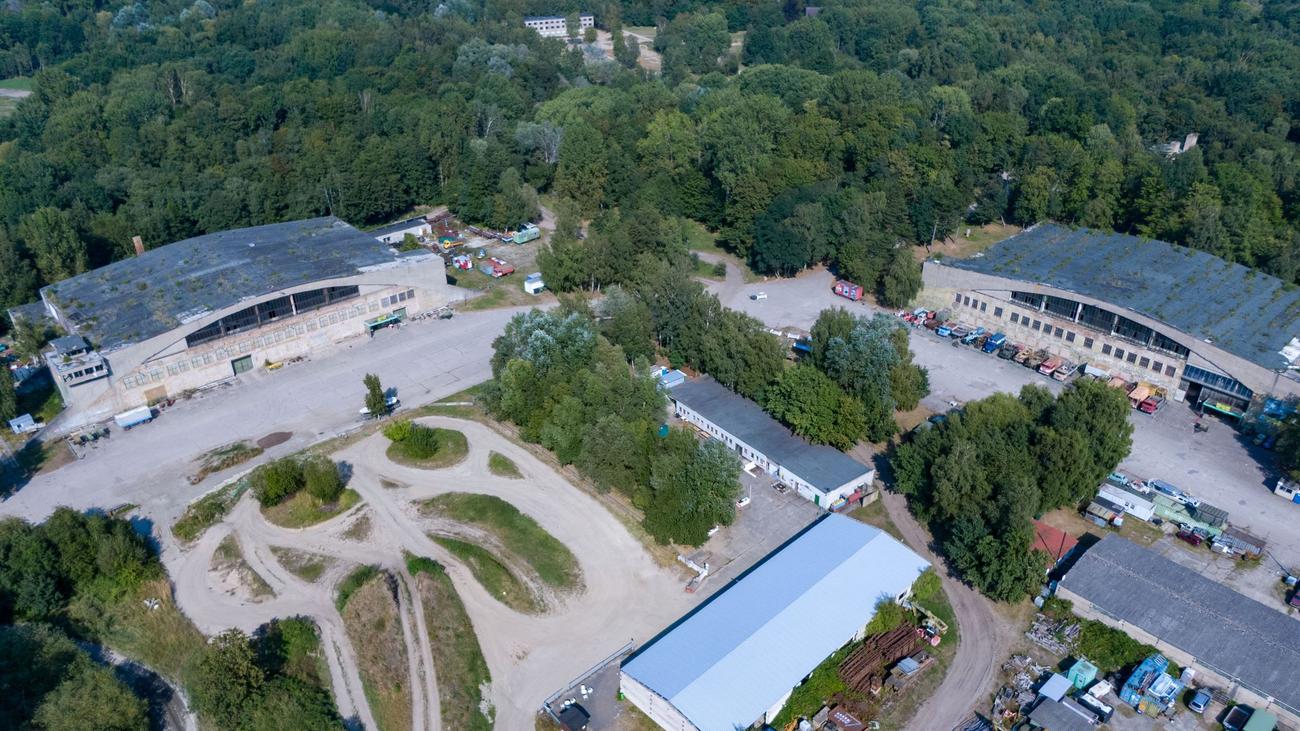
The Bernstein-Resort project in Ribnitz-Damgarten, Germany, has been delayed due to complex planning and regulatory issues. The project's investors are working to finalize the plans and obtain necessary permits.
Imagine a big resort with hotels, restaurants, and activities for tourists. The government and investors want to build it, but some people are worried about the impact on the environment and the local community. The project has been delayed several times, and it's not clear when it will be finished.
Analysis
A $60B Vote of Confidence
The Bernstein-Resort project in Ribnitz-Damgarten, Germany, has been a contentious issue for years, with proponents and opponents locked in a bitter dispute. The project's investors, including Center Parcs and Supreme GmbH, have committed to investing over $60 billion in the development, which would make it one of the largest and most ambitious tourism projects in Europe. However, the project's progress has been hindered by complex planning and regulatory issues, which have led to repeated delays and setbacks.
Why Cursor?
The delay in the Bernstein-Resort project has significant implications for the local economy and community, with potential impacts on employment, tourism, and infrastructure. The project's investors have promised to create thousands of jobs and stimulate economic growth, but the delay has raised concerns about the project's viability and the potential risks to the local community. The project's opponents, including the Bürgerinitiative 'Kein Massentourismus auf Pütnitz. Für unsere Heimat e.V.' and the Verein für Landschaftspflege & Artenschutz in Mecklenburg-Vorpommern (VLAMV), have raised concerns about the project's environmental impact, traffic congestion, and potential disruption to the local way of life.
The Road Ahead
Despite the challenges and setbacks, the project's investors remain committed to bringing the Bernstein-Resort to fruition. The project's proponents believe that the delay is a necessary step to ensure that the project is properly planned and executed, and that the local community is protected from potential risks. However, the project's opponents remain skeptical, and the dispute is likely to continue for the foreseeable future.
Key points
- The Bernstein-Resort project in Ribnitz-Damgarten, Germany, has been delayed due to complex planning and regulatory issues.
- The project's investors, including Center Parcs and Supreme GmbH, have committed to investing over $60 billion in the development.
- The project's opponents have raised concerns about the project's environmental impact, traffic congestion, and potential disruption to the local way of life.
- The project's proponents believe that the delay is a necessary step to ensure that the project is properly planned and executed, and that the local community is protected from potential risks.
If the Bernstein-Resort project is completed successfully, it could bring significant economic benefits to the local community, including job creation, increased tourism, and infrastructure development. The project's investors have promised to create thousands of jobs and stimulate economic growth, and the local community is eager to see the project come to fruition.
If the Bernstein-Resort project is not completed successfully, it could have significant negative impacts on the local community, including job losses, decreased tourism, and environmental degradation. The project's opponents have raised concerns about the project's environmental impact, traffic congestion, and potential disruption to the local way of life.