Ferrari's first ever electric car sold for record $40m at auction
Ferrari's first all-electric car, the Luce, sold for $40m at a Sotheby's charity auction in California, setting a record for a new car sold at auction. Proceeds will go to the Ferrari Foundation's educational programmes.
Intelligence analysis by Llama
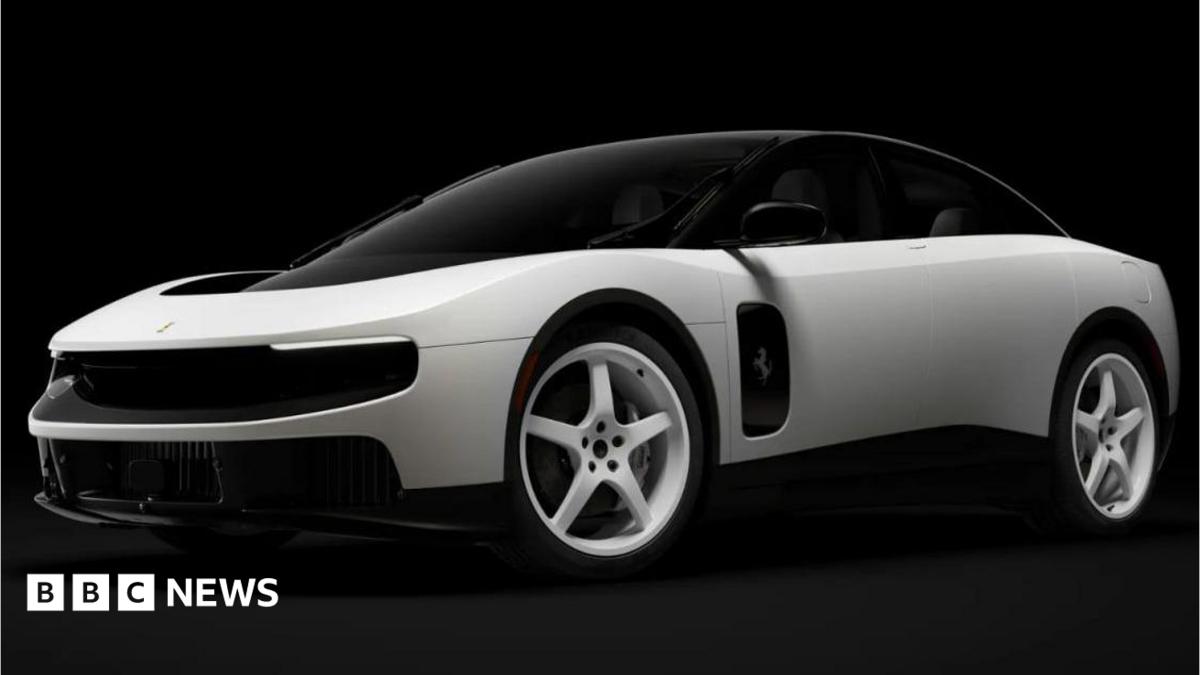
Ferrari's debut electric car, the Luce designed by Sir Jony Ive, fetched $40m at a Sotheby's charity auction in California, more than 35 times its usual price. The sale sets a new auction record for a new car, though the model has faced criticism since its May launch and Ferrari's shares dropped the day after the unveiling.
Ferrari made its very first electric car called the Luce, and someone paid $40 million for the first one ever built — way more than normal Ferraris cost. The money goes to help kids learn through Ferrari's charity. Even though some people didn't like the design, the super-rich still wanted it because it was the first of its kind.
Analysis
The Sotheby's $40m result
The Luce's charity sale price is striking on its own terms. Sotheby's said the car represented an "unbeatable opportunity" to own the first production unit, and the final hammer price of $40m dwarfs the $26m that a bespoke Daytona SP3 supercar raised at a similar Ferrari charity auction in 2025 — the previous high for a new Ferrari sold at auction. More than 35 times the typical Luce price, the figure suggests the auction was driven less by the car's underlying specifications and more by its status as a milestone vehicle: the first prancing horse with a battery rather than a combustion engine. The buyer's identity was not disclosed, and all proceeds will flow to the Ferrari Foundation's educational programmes rather than to Ferrari's balance sheet, which limits what the headline price tells investors about real demand.
Jony Ive's design and the Luce backlash
The Luce carries unusual provenance: it is described as the brainchild of Sir Jony Ive, the designer best known for shaping the iPhone. That association helps explain the intense scrutiny the car received at its May launch. Critics — including Ferrari's former chairman Luca Cordero di Montezemolo and Italy's deputy prime minister Matteo Salvini — argued the model had strayed from the marque's traditional design language and, by adding five seats and an electric powertrain, lost part of what defines the brand. Ferrari's shares dropped the day after the unveiling, a reminder that for luxury automakers, design controversy can move equity prices faster than earnings reports. The fact that Italian President Sergio Mattarella and Pope Leo were invited to view the vehicle underscores how culturally significant Ferrari's EV transition has become in Italy, even as the reception was mixed.
The $40m and Ferrari's EV transition
The auction outcome gives Ferrari an unexpected piece of public-relations cover as it enters a market dominated by Elon Musk's Tesla and Chinese carmakers. A charity record price reframes the Luce from a controversial debut into a collector-grade object, at least for the very first unit. For Ferrari's broader EV strategy, however, the result is less conclusive: the $40m figure reflects the premium attached to serial-number-one status and bespoke features such as special wheels, customised brakes and an exclusive white finish, rather than mass-market pricing power. The coming quarters will reveal whether the Luce, and follow-on electric Ferraris, can sustain demand — and protect margins — at volumes that actually move the company's financials, not just its auction house anecdotes.
Key points
- Ferrari's first all-electric car, the Luce, sold for $40m at a Sotheby's charity auction in California, a record for a new car at auction.
- The price is more than 35 times the typical cost of a Ferrari Luce and beats the $26m raised by a bespoke Daytona SP3 in 2025.
- The Luce was designed with Sir Jony Ive and features bespoke wheels, brakes and an exclusive white finish.
- Proceeds will go to the Ferrari Foundation's educational programmes; the buyer's identity was not disclosed.
- Ferrari shares fell the day after the Luce's May launch, following criticism from former chairman Luca Cordero di Montezemolo and Italy's deputy prime minister Matteo Salvini.
The $40m result provides Ferrari with strong collector-grade validation of its EV direction and a halo effect that could lift the brand's image in markets where buyers associate electric powertrains with tech-forward values. If the Luce sustains demand beyond the first unit, Ferrari may find that its EV transition attracts a new cohort of buyers without alienating its traditional base.
The auction price reflects a one-off charity bid for the very first production car, not repeatable consumer demand, so it offers little insight into how subsequent Luce models will sell. Ferrari shares already dropped after the May launch amid criticism from the former chairman and a senior Italian politician, and persistent backlash from purists could limit volumes, leaving the EV line unprofitable relative to combustion models.