FIFA cancels plan to sell World Cup stakes to private equity investors
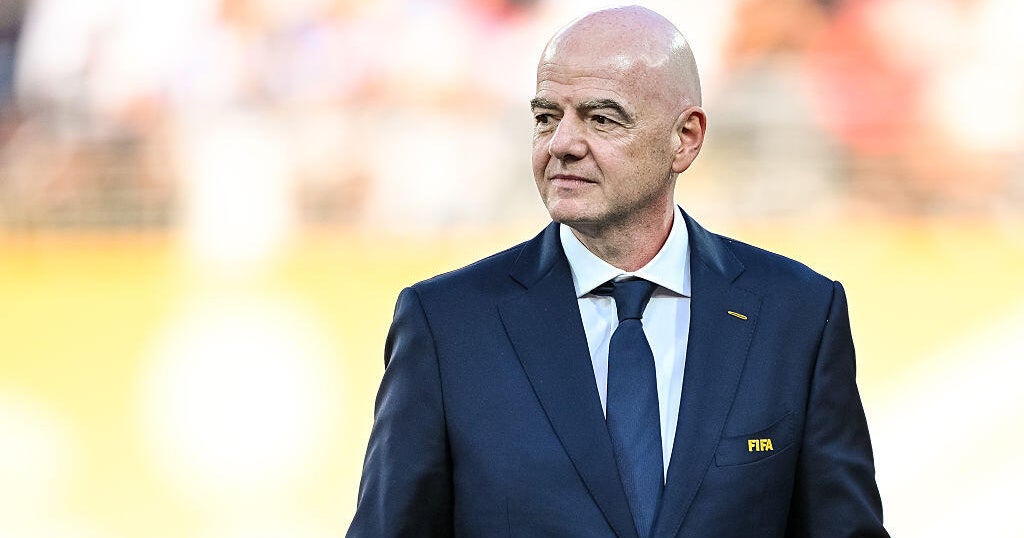
FIFA President Gianni Infantino has canceled a plan to sell stakes in the World Cup to private equity investors after strong backlash and statements of non-participation in FIFA events from organizations in Europe, Asia, and North America.
Intelligence analysis by Llama
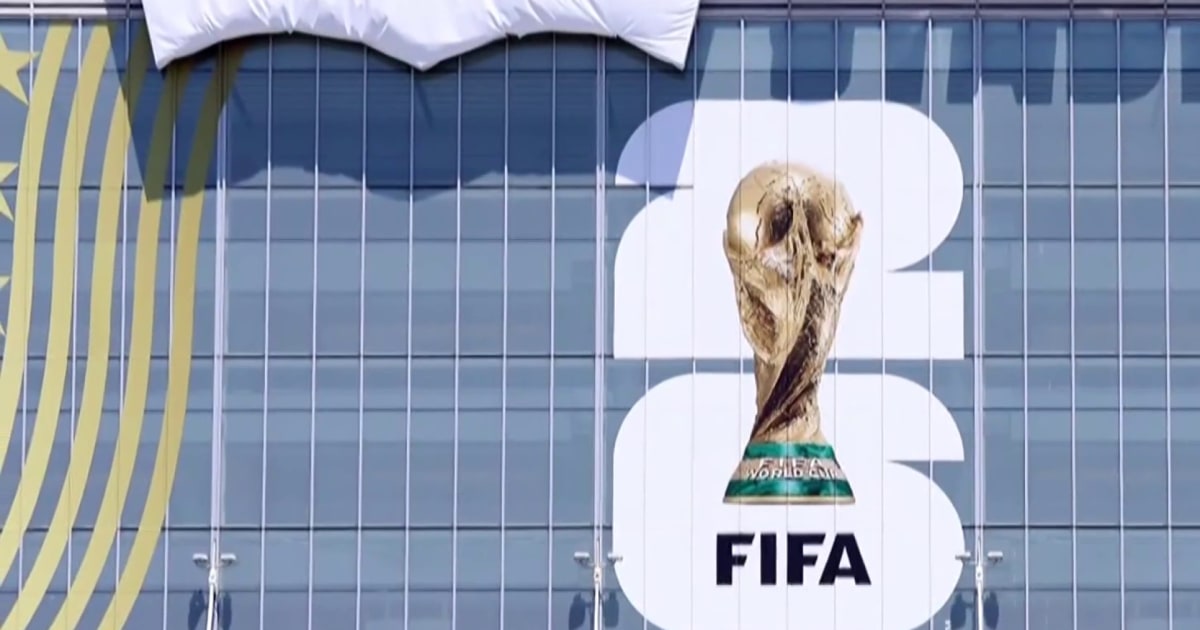
FIFA has scrapped a plan to sell World Cup stakes to private equity investors following a strong backlash from European, Asian, and North American organizations.
Imagine the World Cup is like a big party where countries come together to celebrate their love of soccer. If FIFA sold the World Cup to private investors, it would be like inviting a bunch of strangers to the party who only care about making money. The countries and organizations that opposed the plan were worried that the World Cup would lose its special meaning and become just another commercial event.
Analysis
A $60B Vote of Confidence
FIFA's decision to cancel the plan to sell World Cup stakes to private equity investors is a significant development in the world of international soccer. The move reflects the strong opposition from various organizations and countries to the idea of commercializing the World Cup. The World Cup is one of the most prestigious and widely followed sporting events in the world, and its commercialization has been a topic of debate for many years. The plan to sell stakes in the World Cup to private equity investors was seen as a way to raise funds for the organization and to increase its commercial appeal. However, the backlash from various organizations and countries has made it clear that the World Cup is not just a commercial venture, but also a symbol of national pride and a platform for international cooperation.
Why Cursor?
The cancellation of the plan to sell World Cup stakes to private equity investors is also significant because it highlights the importance of the World Cup as a symbol of national pride and a platform for international cooperation. The World Cup is not just a sporting event, but also a cultural and social phenomenon that brings people together from all over the world. The commercialization of the World Cup would have undermined its cultural and social significance and would have been seen as a betrayal of the values that the World Cup represents.
The Road Ahead
The cancellation of the plan to sell World Cup stakes to private equity investors is a significant development in the world of international soccer. It reflects the strong opposition from various organizations and countries to the idea of commercializing the World Cup. The move is a vote of confidence in the World Cup as a symbol of national pride and a platform for international cooperation. It also highlights the importance of preserving the cultural and social significance of the World Cup and ensuring that it remains a platform for international cooperation and understanding.
Key points
- FIFA has canceled a plan to sell stakes in the World Cup to private equity investors.
- The decision was made after strong backlash and statements of non-participation in FIFA events from organizations in Europe, Asia, and North America.
- The World Cup is a symbol of national pride and a platform for international cooperation.
- The commercialization of the World Cup would have undermined its cultural and social significance.
The cancellation of the plan to sell World Cup stakes to private equity investors is a positive development for the world of international soccer. It reflects the strong opposition from various organizations and countries to the idea of commercializing the World Cup and highlights the importance of preserving the cultural and social significance of the World Cup. The move is a vote of confidence in the World Cup as a symbol of national pride and a platform for international cooperation.
The cancellation of the plan to sell World Cup stakes to private equity investors may have unintended consequences, such as limiting the organization's ability to raise funds and invest in the development of the sport. Additionally, the move may be seen as a setback for the commercialization of the World Cup, which could lead to a decline in interest and participation in the event.