FIFA President Infantino Apologizes for 'Mistake', but Remains in Office
FIFA President Infantino apologized for his 'mistake' in proposing a plan to privatize part of the organization's revenue, but he remains in office after receiving support from senior FIFA officials. The plan, known as the FIFA Financial Future (FFF), was met with critici…
Intelligence analysis by Llama
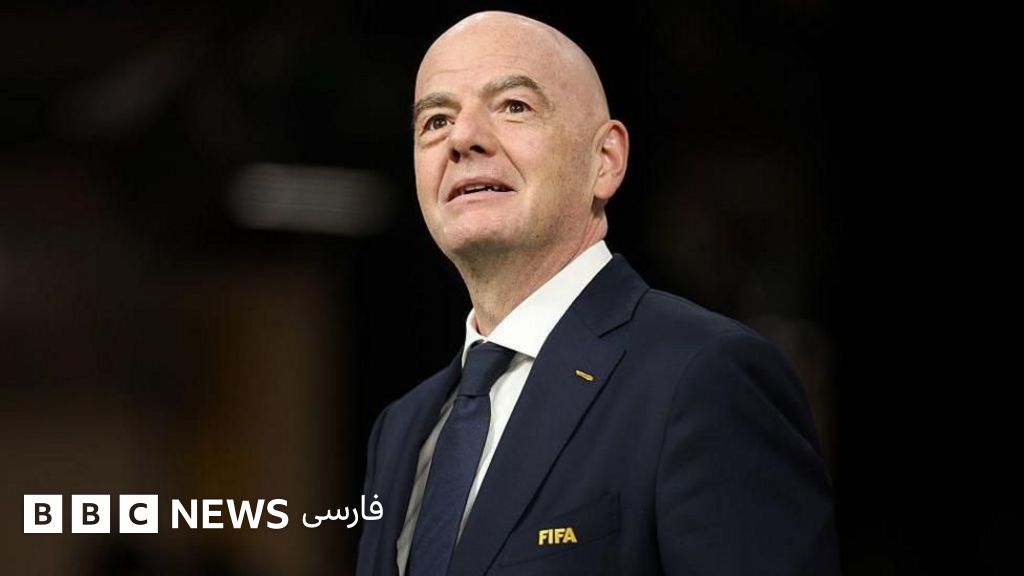
FIFA President Infantino apologized for his 'mistake' in proposing a plan to privatize part of the organization's revenue, but he remains in office after receiving support from senior FIFA officials. The plan, known as the FIFA Financial Future (FFF), was met with criticism from within FIFA and outside, with some calling it a 'backroom deal' and 'unacceptable'. Infantino has promised …
Imagine you're in charge of a big organization that runs soccer tournaments all over the world. You come up with a plan to make some money by selling part of the organization to a few rich people. But, people inside and outside the organization don't like the plan because it's not fair and it's not transparent. You apologize for your mistake and promise to do better, but some people are still not sure if you can lead the organization effectively.
Analysis
A $60B Vote of Confidence
FIFA President Infantino's apology for his 'mistake' in proposing a plan to privatize part of the organization's revenue has been met with a mix of reactions. While some have welcomed his apology and commitment to learn from the experience, others have expressed skepticism about his ability to lead the organization effectively. The plan, known as the FIFA Financial Future (FFF), was met with criticism from within FIFA and outside, with some calling it a 'backroom deal' and 'unacceptable'. Infantino has promised to learn from the experience and ensure that such mistakes do not happen again.
Why the FFF Plan Was a Mistake
The FFF plan was widely criticized for its lack of transparency and its potential to benefit a select few at the expense of the majority of FIFA's member associations. The plan proposed to privatize part of FIFA's revenue, which would have given a small group of investors a significant stake in the organization's finances. This would have undermined the principles of transparency and accountability that are essential to FIFA's decision-making process.
The Fallout
The controversy surrounding Infantino's plan has raised questions about the transparency and accountability of FIFA's decision-making process. The outcome of this situation will have implications for the future of FIFA and its relationship with its member associations. While Infantino has promised to learn from the experience and ensure that such mistakes do not happen again, many are skeptical about his ability to lead the organization effectively. The situation highlights the need for greater transparency and accountability in FIFA's decision-making process.
Key points
- FIFA President Infantino apologized for his 'mistake' in proposing a plan to privatize part of the organization's revenue.
- The plan, known as the FIFA Financial Future (FFF), was met with criticism from within FIFA and outside, with some calling it a 'backroom deal' and 'unacceptable'.
- Infantino has promised to learn from the experience and ensure that such mistakes do not happen again.
- The controversy surrounding Infantino's plan has raised questions about the transparency and accountability of FIFA's decision-making process.
- The outcome of this situation will have implications for the future of FIFA and its relationship with its member associations.
If Infantino can learn from his mistake and implement changes to increase transparency and accountability in FIFA's decision-making process, it could lead to a more positive and inclusive environment for all member associations. This could also lead to increased trust and confidence in the organization, which could have a positive impact on the sport as a whole.
If Infantino is unable to learn from his mistake and implement changes to increase transparency and accountability in FIFA's decision-making process, it could lead to further controversy and mistrust within the organization. This could also lead to a decline in the organization's reputation and credibility, which could have a negative impact on the sport as a whole.