Filipino Artist Sues AI Meme Generator Over Ad Templates
A Filipino cartoonist has sued the company behind AI ad generator Memes.ai, alleging it sold access to his best-known comic as a template for advertising.
Intelligence analysis by Llama
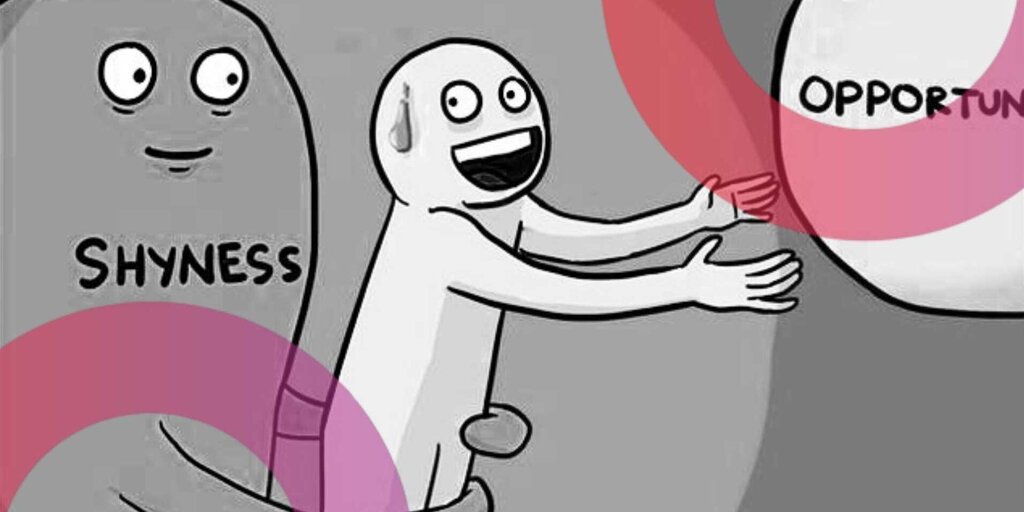
A Filipino cartoonist has sued the company behind AI ad generator Memes.ai, alleging it sold access to his best-known comic as a template for advertising. The cartoonist claims Memes Apps offered his comic, 'Running Away Balloon', to paying subscribers.
A Filipino cartoonist is suing a company that uses AI to make memes because they used his comic without permission to make money.
Analysis
A $60B Vote of Confidence
The lawsuit filed by Filipino cartoonist Elmer Saflor against Memes Apps, the company behind AI ad generator Memes.ai, has significant implications for the AI industry. Saflor alleges that Memes Apps sold access to his best-known comic, 'Running Away Balloon', as a template for advertising to paying subscribers. This case highlights the potential for AI-generated content to infringe on artists' rights and the need for companies to ensure they are not profiting from unauthorized use of others' work.
The complaint filed by Saflor pleads direct, contributory, and vicarious infringement, and seeks an injunction and the platform's profits. Unlike the Stability AI and Midjourney cases, the claim does not turn on how a model was trained. Instead, it focuses on the unauthorized use of Saflor's comic as an advertising template.
This case has significant implications for the AI industry, as it highlights the need for companies to ensure they are not profiting from unauthorized use of others' work. It also raises questions about the ownership and control of AI-generated content. As the use of AI-generated content becomes more widespread, it is essential to establish clear guidelines and regulations to prevent infringement and ensure fair compensation for creators.
Why Cursor?
The lawsuit filed by Saflor against Memes Apps raises questions about the role of AI in content creation and the potential for AI-generated content to infringe on artists' rights. The case highlights the need for companies to ensure they are not profiting from unauthorized use of others' work and raises questions about the ownership and control of AI-generated content.
The Road Ahead
The outcome of this case will have significant implications for the AI industry and the use of AI-generated content. It will be essential to establish clear guidelines and regulations to prevent infringement and ensure fair compensation for creators. The case highlights the need for companies to ensure they are not profiting from unauthorized use of others' work and raises questions about the ownership and control of AI-generated content.
Key points
- A Filipino cartoonist has sued the company behind AI ad generator Memes.ai, alleging it sold access to his best-known comic as a template for advertising.
- The complaint pleads direct, contributory, and vicarious infringement, and seeks an injunction and the platform's profits.
- The case highlights the potential for AI-generated content to infringe on artists' rights and the need for companies to ensure they are not profiting from unauthorized use of others' work.
If the court rules in favor of the cartoonist, it could set a precedent for other artists to protect their work from unauthorized use by AI-generated content platforms.
The case could also lead to increased regulation of AI-generated content, which could limit the creativity and innovation of AI platforms.