Filmmakers, human rights NGOs back “NAZA” directors amid threats, accusations by Israeli authorities
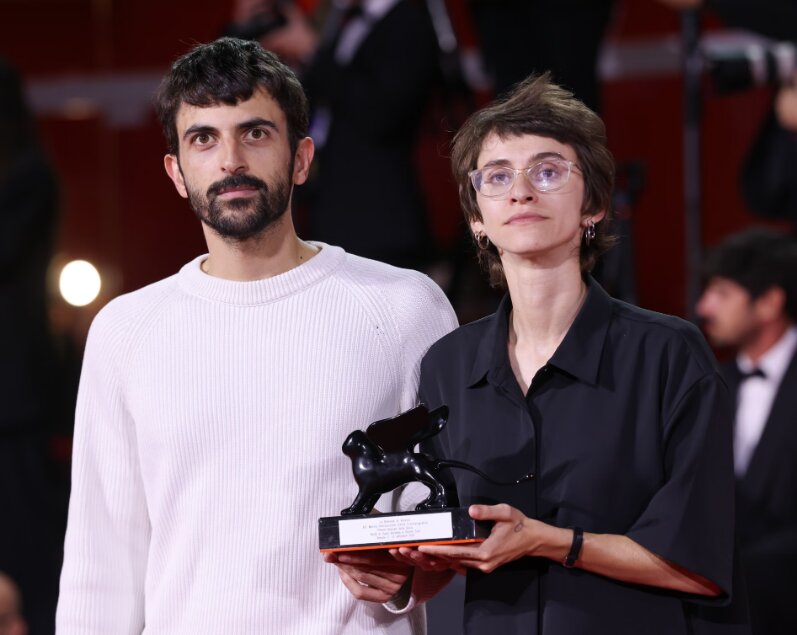
Over 1,500 film industry figures and 40+ human rights organizations have expressed solidarity with filmmakers Yuval Abraham and Rachel Szor, creators of the documentary “NAZA,” after they faced threats and accusations of treason from Israeli authorities.
Intelligence analysis by Gemini 2.5 Flash
The documentary "NAZA" features anonymous testimony from Israeli military and intelligence personnel about operations in Gaza, leading to accusations of treason and threats of citizenship revocation against its directors by Israeli officials. This has prompted widespread support from international and Israeli filmmakers and human rights groups, who condemn the actions as characteristi…
Imagine two filmmakers made a movie about what soldiers said happened in a faraway war, showing things that made some people uncomfortable. Now, some important people in their country are really mad, calling them traitors and saying they might take away their citizenship! But lots of other filmmakers and groups that care about fairness are saying, "Hey, they should be allowed to tell their story, even if it's a tough one, because art helps us understand the world better."
Analysis
The documentary "NAZA," created by Yuval Abraham and Rachel Szor, has ignited a significant controversy, drawing both international acclaim and severe condemnation from Israeli authorities. The film, which premiered to a 25-minute standing ovation at the 83rd Venice International Film Festival and won the Special Jury Prize, features interviews with 24 anonymous Israeli military and intelligence insiders. These sources provide testimony on surveillance, target selection, and strikes in Gaza, focusing on institutional policies and operational practices rather than individual misconduct. The film's title, "NAZA," refers to the Hebrew military abbreviation for "collateral damage," highlighting the estimated civilian casualties in military operations. Directors Abraham and Szor emphasize that the film aims to hold a mirror up to society and foster discourse, believing that denying a crime allows it to persist, making it crucial for Israelis to confront the film's content.
Israeli Authorities' Response
The reaction from Israeli authorities to "NAZA" and its creators has been swift and severe. Israeli Culture and Sports Minister Miki Zohar branded the filmmakers' work an act of "treason" and publicly stated his intention to seek the revocation of their Israeli citizenship. Zohar accused Abraham and Szor of being willing to "harm their homeland in order to receive applause from antisemites around the world." The Israeli army, for its part, rejected the film's allegations, questioning the reliability of testimony from anonymous sources whose identities, ranks, and areas of responsibility could not be verified. It also denied claims that artificial intelligence determines targets, asserting that strike selection and authorization decisions are made by human personnel in accordance with military directives. This official pushback underscores a broader tension between national security narratives and critical artistic expression.
Widespread Solidarity
In response to the threats and accusations, a broad coalition of support has emerged for Abraham and Szor. More than 1,500 film industry figures, including prominent Israeli directors such as Nadav Lapid and Ari Folman, signed a petition expressing solidarity and calling for the defense of freedom of expression. Concurrently, over 40 local human rights organizations, including Peace Now, Adalah, B’Tselem, Physicians for Human Rights Israel, and Breaking the Silence, issued a joint statement. These organizations urged Israeli authorities to cease the incitement and threats, and to refrain from prosecuting the filmmakers or their anonymous military sources. They critically noted that "The institutional response to the film and the threats against its creators are characteristic of dictatorial regimes," highlighting concerns about democratic values and press freedom. Figures like former lawmaker Yousef Jabareen and Anat Saragusti of the Union of Journalists in Israel also praised the film for bringing the reality of Gaza to a wider audience, arguing that mainstream Israeli media has largely failed to provide adequate coverage of the Palestinian side of the conflict.
Key points
- Over 1,500 film industry figures and 40+ human rights NGOs are backing "NAZA" directors Yuval Abraham and Rachel Szor.
- The documentary "NAZA" features anonymous testimony from Israeli military and intelligence personnel about operations in Gaza.
- Israeli authorities, including the Culture and Sports Minister, have threatened the directors with citizenship revocation and accused them of treason.
- The film received a 25-minute standing ovation and won the Special Jury Prize at the 83rd Venice International Film Festival.
- Supporters emphasize the crucial role of art and journalism in fostering discourse and holding society accountable, even when facing difficult realities.
The widespread international and local support for the filmmakers could strengthen the defense of artistic freedom and critical journalism, potentially leading to greater public discourse and accountability regarding military actions. The film's success and the solidarity shown might encourage more open reporting and discussion on sensitive topics, fostering a more informed society.
The threats of citizenship revocation and accusations of treason could create a chilling effect, discouraging other filmmakers and journalists from investigating and reporting on sensitive military or political issues. This could lead to increased self-censorship and a narrowing of public discourse, potentially hindering efforts for transparency and accountability.