Finance Minister Pushes Back Against Criticism of New Budget
Aurangzeb defended the FY27 budget, saying it backs growth, exports, and investment. The package cuts taxes for some earners and exporters while expanding digital tax enforcement.
Intelligence analysis by GPT-5.4 Mini
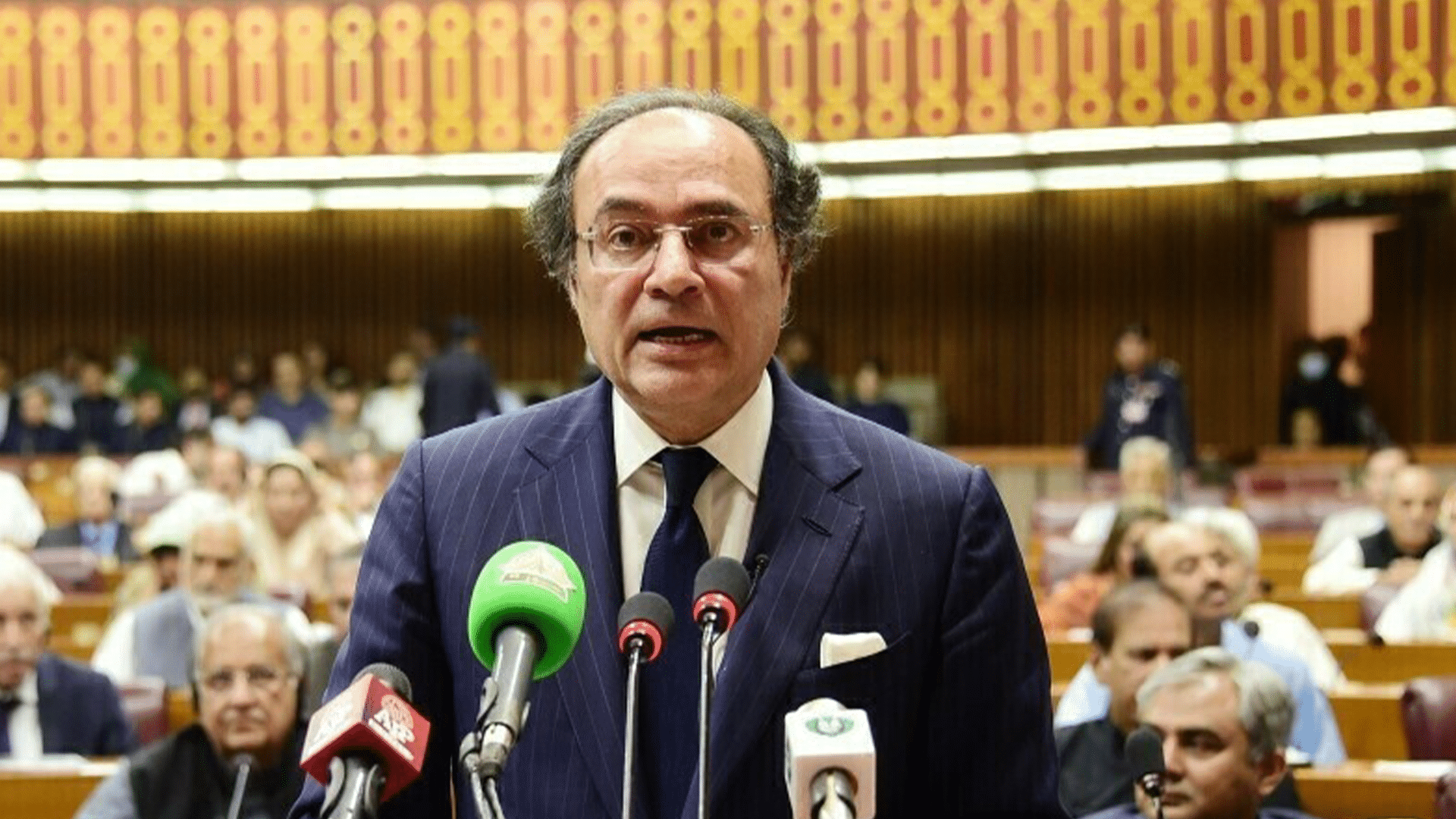
Finance Minister Muhammad Aurangzeb argued the new federal budget is built to move Pakistan from stabilization to growth. He highlighted export relief, tax base expansion through automation, and sector-specific measures for salaried people, agriculture, housing, and formal industry.
Pakistan’s finance minister says the new budget is like giving the economy a push with both hands: one hand lowers some taxes, and the other hand tries to collect money more fairly using computers and AI. The plan also helps exporters, farmers, and some workers pay less.
Analysis
Budget defense
Finance Minister Muhammad Aurangzeb used a post-budget press conference to defend the FY2026-27 federal budget, saying the government had used its available fiscal room to support activity, encourage investment, and lay the groundwork for export-led growth. He presented the budget as a shift away from stabilization and toward sustained expansion.
Tax relief and enforcement
A central part of the case was relief for exporters and formal businesses. The government plans to abolish advance tax for exporters and reduce the super tax in phases across six income slabs. For firms earning more than Rs500 million a year, the rate is proposed to fall from 10 percent to 8 percent. Aurangzeb said the aim is to strengthen competitiveness and support the formal sector.
On the revenue side, he said Pakistan needs a wider and deeper tax base. He pointed to digital monitoring as an existing source of extra revenue and said a new tax model being presented in parliament will rely more on automation and artificial intelligence. The stated goal is to cut human interference, improve compliance, and increase transparency. A proposed retailers’ scheme is meant to bring more businesses into the tax net without putting extra pressure on those already paying.
Sector priorities
The minister also said the budget includes relief for salaried people, with lower tax rates proposed for several income brackets. Minister of State for Finance Bilal Azhar Kayani described the package as support for salaried workers, industry, exporters, construction, and affordable housing.
Aurangzeb also flagged agriculture and trade. He said agricultural financing has risen 15 percent year-on-year to more than Rs2 trillion, while the ZarKhez scheme and the youth loan program are expanding access to credit. The budget also proposes removing duties on imported farm machinery not made locally. Separately, the government wants to reduce the trade deficit and increase services exports, especially in IT.
The article also notes the government’s warning that regional tensions could pose risks if energy infrastructure is disrupted.
Key points
- Aurangzeb defended the FY27 budget as a pro-growth package aimed at exports, investment, and formal-sector expansion.
- The budget proposes ending advance tax for exporters and phasing down the super tax across six income slabs.
- The government says a new tax model will use automation and artificial intelligence to improve compliance and transparency.
- Relief is also being pitched for salaried workers, agriculture, housing, construction, and selected social-sector goods.
- The budget sets a 4 percent growth target, 8.2 percent inflation target, and a 3.6 percent fiscal deficit.
If the relief measures work as intended, exporters and formal businesses could get enough breathing room to invest and expand. The push for digital tax enforcement may also improve compliance and raise revenue without adding as much pressure on existing taxpayers.
If growth does not pick up, the tax cuts could leave the government with less room to manage its fiscal targets. The article also flags external risks, including regional tensions and possible energy disruptions, which could hurt the economy next year.