Fire Safety Tips: Here are Ways to Escape the Flames in the Concrete Jungle
This article provides essential fire safety tips for urban buildings, focusing on prevention and emergency response to minimize casualties from fire accidents.
Intelligence analysis by Gemini 2.5 Flash Lite
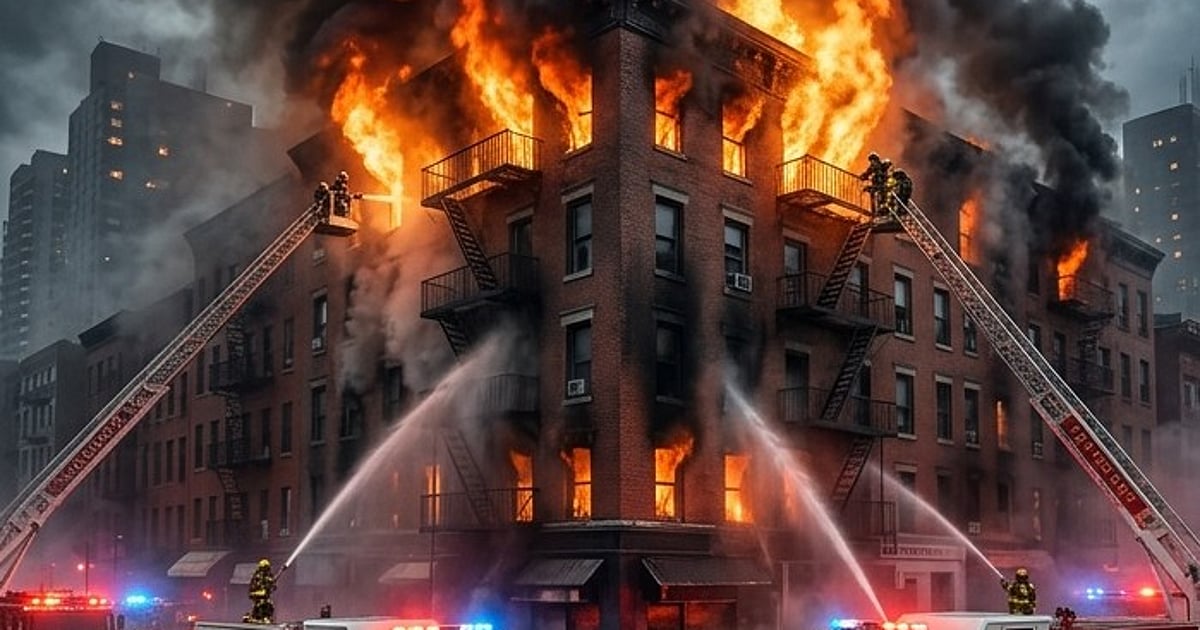
The article highlights common causes of building fires in cities, such as electrical short circuits and gas leaks, and emphasizes the importance of safety measures like smoke detectors and fire extinguishers.
Imagine your home is a tall building in a busy city. Sometimes, wires get old and spark, or stoves leak gas, starting fires. To stay safe, buildings need alarms that beep when there's smoke and special showers that spray water. If a fire starts, stay low to the ground and use the stairs, not the elevator, to get out quickly.
Analysis
Causes of Urban Fires
The article identifies electrical short circuits, improper wiring, and gas leaks as the primary culprits behind most fire accidents in city buildings. These issues often stem from aging infrastructure, overloaded circuits, and a lack of regular maintenance. The dense urban environment, characterized by numerous interconnected structures, can exacerbate the spread of fire once it ignites, turning a localized incident into a widespread disaster.
Safety Deficiencies in Unauthorized Constructions
Unauthorized modifications to buildings and the obstruction of emergency exits are significant contributors to fire-related fatalities. When escape routes are blocked, occupants are trapped, drastically increasing the risk of casualties. Furthermore, inadequate ventilation systems can lead to the rapid accumulation of smoke, making evacuation perilous. The article implicitly points to a systemic issue of lax enforcement of building codes and safety regulations in many urban areas.
Essential Safety Equipment and Evacuation Procedures
To combat these risks, the article stresses the mandatory installation of essential safety equipment, including smoke detectors, automatic water sprinklers, and fire extinguishers in every building. During a fire, it advises against panic, recommending that individuals crawl close to the ground to avoid smoke inhalation and use staircases instead of elevators. In situations where one is trapped in a room, sealing the door gaps with wet cloths to prevent smoke ingress and signaling for help from a window are suggested as critical survival tactics.
Key points
- Electrical short circuits, gas leaks, and faulty wiring are major causes of urban fires.
- Unauthorized building modifications and blocked emergency exits increase fire risks.
- Essential safety equipment like smoke detectors and fire extinguishers must be installed.
- In case of fire, stay low, avoid elevators, and use stairs for evacuation.
- Sealing room doors and signaling from windows can aid survival if trapped.
Widespread adoption of these fire safety measures could significantly reduce the number of fire-related casualties in urban areas. Increased awareness and adherence to safety protocols by building owners and residents can create a safer living and working environment.
Despite recommendations, a lack of enforcement of safety regulations, coupled with continued unauthorized construction and inadequate maintenance, could mean that fire accidents continue to pose a severe threat to urban populations.