Fired Tesla Manager Says Full Self-Driving Cars Were 'Rolling Hazards'
A fired Tesla manager is suing the company for unlawful retaliation after escalating concerns about 'systemic safety oversight defects' in the company's Full Self-Driving testing operations.
Intelligence analysis by Llama
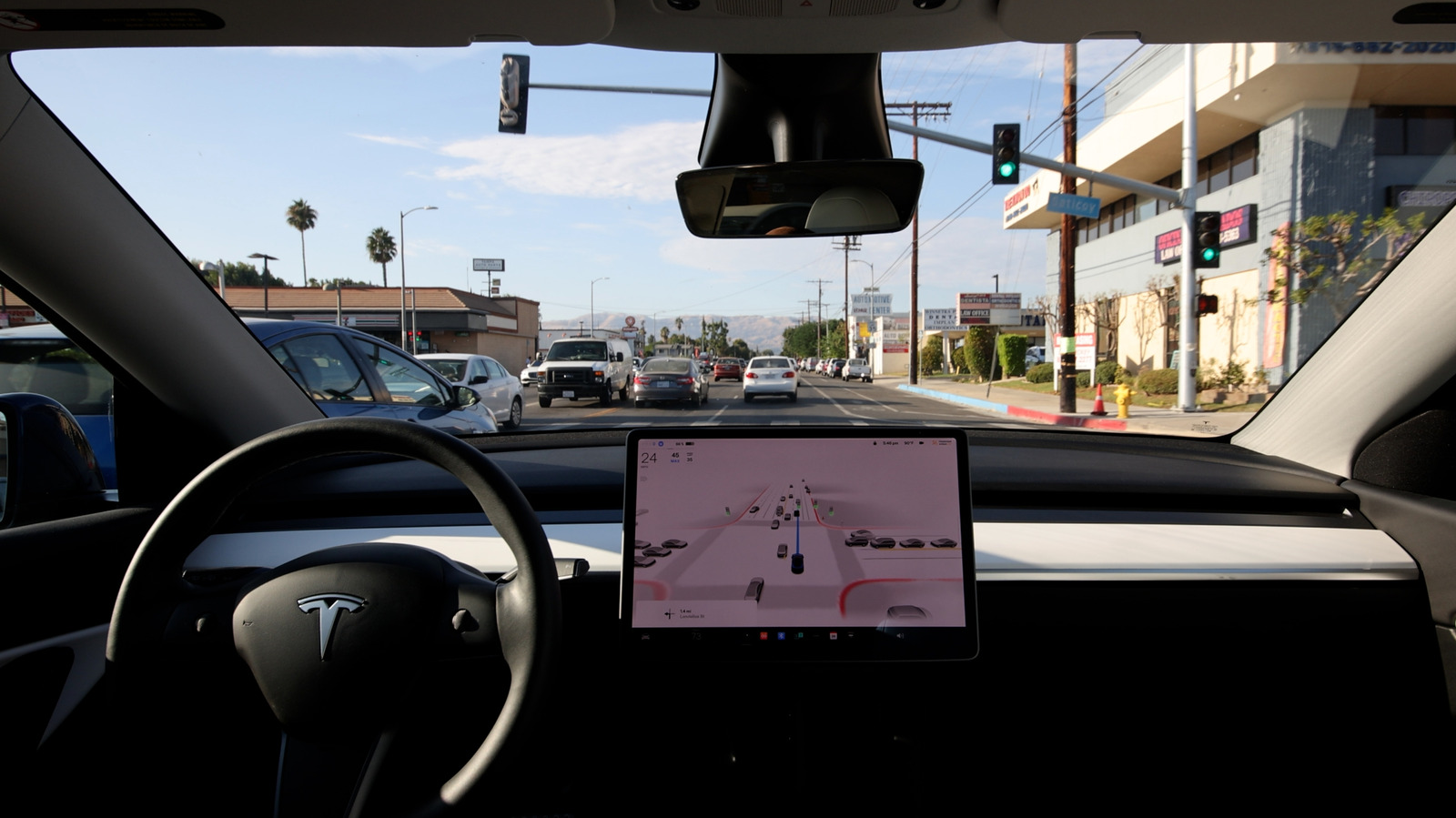
A fired Tesla manager is suing the company for unlawful retaliation after escalating concerns about 'systemic safety oversight defects' in the company's Full Self-Driving testing operations. The manager claims Tesla's unwillingness to offer extra resources or hire more staff created a scenario where the company's robotaxis became 'rolling hazards on public streets'.
Imagine you're in a car with a driver who's really tired and can't focus. That's basically what happened with Tesla's robotaxis, which are cars that drive themselves but need a human to supervise. A manager at Tesla was in charge of making sure these cars were safe, but he didn't have enough help. He tried to tell his boss that they needed more people to help, but his boss didn't listen. This led to a big problem where the cars became a hazard to public safety. Now, the manager who was in charge of safety is suing Tesla for firing him after he tried to speak up about the problem.
Analysis
A $60B Vote of Confidence in Autonomous Vehicles
Tesla's Full Self-Driving technology has been a subject of controversy in recent times, with several high-profile crashes and lawsuits filed against the company. However, the latest development in the story is a lawsuit filed by a fired manager who claims that the company's robotaxis became 'rolling hazards on public streets' due to systemic safety oversight defects. The manager, Javier Medrano, was responsible for overseeing the safety of Tesla's Full Self-Driving testing operations in Houston and claims that the company's unwillingness to offer extra resources or hire more staff led to the creation of a scenario where the robotaxis became a hazard to public safety.
Medrano's concerns began when the number of operators he was responsible for grew to 38, beyond the 1-to-15 ratio he claims Tesla Autopilot Director Pete Scheutzow set as the baseline. Despite his attempts to raise the issue with Scheutzow, the manager claims that the director dismissed his concerns and told him that he didn't get the impression that Medrano was drowning. The lawsuit claims that Tesla's unwillingness to respond to Medrano's concerns led to the ultimate failure of the company's 'under-resourced safety structure' in the form of a crash that happened under Medrano's watch.
The crash, which occurred while Medrano was physically asleep, led to the operator remaining at the unsafe scene for an hour where she was approached by an allegedly impaired third party. Following the accident, Medrano's attempts to formally escalate the safety issues that led to the accident and prove that Tesla was withholding resources from his Houston region led to him being fired. In return for what the lawsuit claims is unlawful retaliation, Medrano is asking to be reinstated to his role and seeking fees like restitution for an unvested equity award, front and back pay and compensatory damages for 'emotional distress, familial strain and severe financial stress'.
The lawsuit suggests that managerial problems could be making the company's robotaxis unsafe, in addition to the technical approach to autonomous vehicles that has been criticized in the past. The National Highway Traffic Safety Administration is currently investigating the company's self-driving technology, and the slow rollout of the company's robotaxi service and now apparent management issues all make the success of Full Self-Driving increasingly uncertain.
Key points
- A fired Tesla manager is suing the company for unlawful retaliation after escalating concerns about 'systemic safety oversight defects' in the company's Full Self-Driving testing operations.
- The manager claims that Tesla's unwillingness to offer extra resources or hire more staff created a scenario where the company's robotaxis became 'rolling hazards on public streets'.
- The lawsuit suggests that managerial problems could be making the company's robotaxis unsafe, in addition to the technical approach to autonomous vehicles that has been criticized in the past.
- The National Highway Traffic Safety Administration is currently investigating the company's self-driving technology.
- The slow rollout of the company's robotaxi service and now apparent management issues all make the success of Full Self-Driving increasingly uncertain.
If Tesla addresses the managerial issues and provides adequate resources to its safety teams, the company's robotaxis could become safer and more reliable. Additionally, the company's technical approach to autonomous vehicles could be improved to reduce the risk of accidents.
If Tesla fails to address the managerial issues and continues to prioritize profits over safety, the company's robotaxis could become a major liability. Additionally, the slow rollout of the company's robotaxi service and the current investigation by the National Highway Traffic Safety Administration could further erode public trust in the company's technology.