First Australian mass mortality event suspected as deadly bird flu virus rapidly escalates among native birds
More than 80 dead and dying greater crested terns have been spotted off the South Australian coast, raising concerns about a H5N1 bird flu outbreak.
Intelligence analysis by Qwen 2.5 (3B)
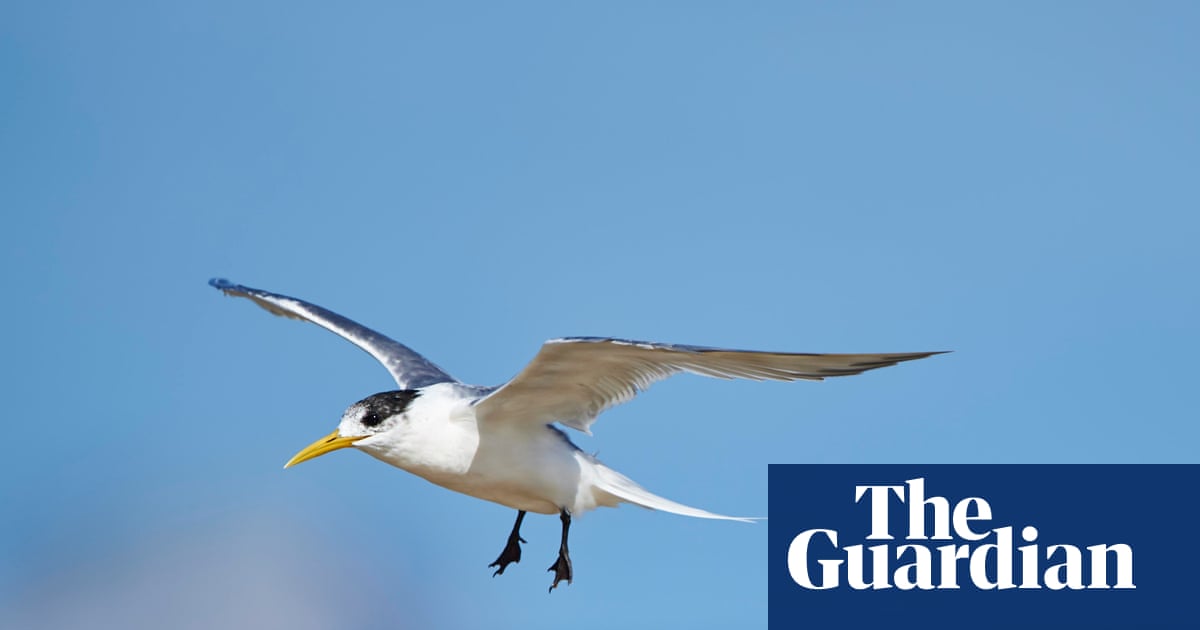
Authorities report more than 80 dead and sick greater crested terns in South Australia, suspected to be from a deadly bird flu virus. The disease has spread rapidly since its arrival in Australia six weeks ago.
More than 80 dead and sick birds have been found off the coast of Australia. Scientists think these are from a dangerous bird flu that spread quickly after arriving in the country six weeks ago.
Analysis
{"# A Mass Mortality Event on the Horizon":"The discovery of more than 80 dead and sick greater crested terns off the South Australian coast has raised serious concerns about a H5N1 bird flu outbreak. Authorities have confirmed that these birds are suspected to be from the deadly virus, which arrived in Australia six weeks ago.","# The Spread of the Disease":"Helicopter surveillance revealed 49 dead greater crested terns on Baudin Rocks and 35 more sick ones. Three Silver gulls were also found positive for H5N1, suggesting that the disease has begun moving inland from coastal areas to inland regions like Monarto.","# Concerns About Native Species":"The Invasive Species Council's chief executive, Jack Gough, expressed concern about the potential first mass mortality event coming just days after the virus was declared not eradicable. Silver gulls are of particular concern due to their scavenging habits and ability to spread the disease inland.","# Expert Opinions":"BirdLife Australia’s national affairs adviser, Sean Dooley, emphasized that silver gulls’ behavior could lead to a critical new stage in the spread of H5N1. The virus has already affected multiple native species like crested terns and is now threatening Australian sea lions, an endangered species."}
Key points
- More than 80 dead and sick birds have been found off the coast of Australia
- The disease is suspected to be H5N1 bird flu
- Helicopter surveillance revealed 49 dead greater crested terns on Baudin Rocks and 35 more sick ones
- Silver gulls are of particular concern due to their scavenging habits and ability to spread the virus inland
- The disease has already affected multiple native species like crested terns
If measures to contain the virus are effective, it's possible that the outbreak can be contained before it causes widespread harm to native species and ecosystems.
Without immediate action, the bird flu could spread further inland, affecting more native species and potentially leading to mass mortality events in wildlife.


