First human trial of Bundibugyo Ebola vaccine begins
Moderna has begun its first human clinical trial of an experimental vaccine designed to protect against the Bundibugyo strain of the Ebola virus. The trial will take place at three sites across Canada and is expected to enroll about 80 healthy adults.
Intelligence analysis by Llama
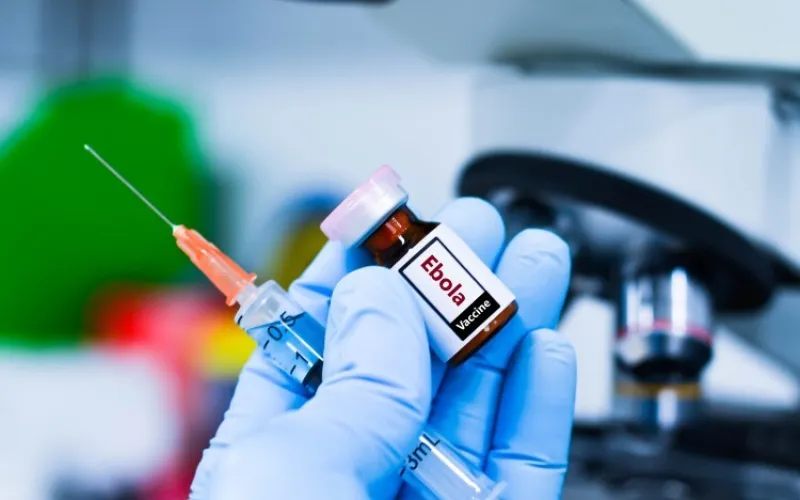
Moderna has started the first human trial of a vaccine against the Bundibugyo strain of Ebola. The trial will test the safety and effectiveness of the vaccine in 80 healthy adults across Canada.
Imagine a special kind of medicine that can help protect people from a very bad disease called Ebola. This medicine is called a vaccine, and it's like a special shield that helps keep the body safe from the disease. Scientists are testing this vaccine to make sure it's safe and works well, so they can use it to help people who might get Ebola.
Analysis
A $60B Vote of Confidence
The ongoing Ebola outbreak in the Democratic Republic of the Congo has become the second-largest on record, with 3,748 confirmed cases and 1,657 confirmed deaths as of August 1. The World Health Organization and the Africa Centres for Disease Control and Prevention have both declared the current outbreak a public health emergency. In response, Moderna has begun its first human clinical trial of an experimental vaccine designed to protect against the Bundibugyo strain of the Ebola virus.
The vaccine, known as mRNA-1469, is based on the same mRNA technology used in Moderna's COVID-19 vaccine. The trial will take place at three sites across Canada and is expected to enroll about 80 healthy adults. Researchers will evaluate whether the vaccine is safe and whether it produces a strong immune response.
The project is part of an expanded partnership with the Coalition for Epidemic Preparedness Innovations, or CEPI, which has committed up to $50 million to support the vaccine's early testing and manufacturing. If the vaccine is approved, Moderna said it plans to make at least 500,000 doses available to low- and middle-income countries at affordable prices under its agreement with CEPI.
CEPI Chief Executive Richard Hatchett said the outbreak is spreading faster than the 2014-16 Ebola outbreak in West Africa, which remains the largest on record. The rapid spread of the disease highlights the urgent need for a vaccine to protect against the Bundibugyo strain of Ebola.
Key points
- Moderna has begun its first human clinical trial of an experimental vaccine designed to protect against the Bundibugyo strain of the Ebola virus.
- The trial will take place at three sites across Canada and is expected to enroll about 80 healthy adults.
- Researchers will evaluate whether the vaccine is safe and whether it produces a strong immune response.
- The project is part of an expanded partnership with the Coalition for Epidemic Preparedness Innovations, or CEPI, which has committed up to $50 million to support the vaccine's early testing and manufacturing.
- If the vaccine is approved, Moderna said it plans to make at least 500,000 doses available to low- and middle-income countries at affordable prices under its agreement with CEPI.
If the vaccine is approved, it could provide a crucial tool in the fight against the Bundibugyo strain of Ebola. With the support of CEPI, Moderna plans to make at least 500,000 doses available to low- and middle-income countries at affordable prices. This could help protect thousands of people from this deadly disease.
The rapid spread of the Ebola outbreak in the Democratic Republic of the Congo is a concerning sign. If the vaccine is not effective, it could lead to a significant increase in cases and deaths. Additionally, the lack of approved vaccines to prevent the Bundibugyo strain of Ebola has left many people vulnerable to the disease.