First IAEA report on Iran's nuclear programme since February shows little change despite war
The IAEA says Iran's nuclear picture has changed little despite months of war, and it still wants answers on missing enriched uranium.
Intelligence analysis by GPT-5.4 Mini
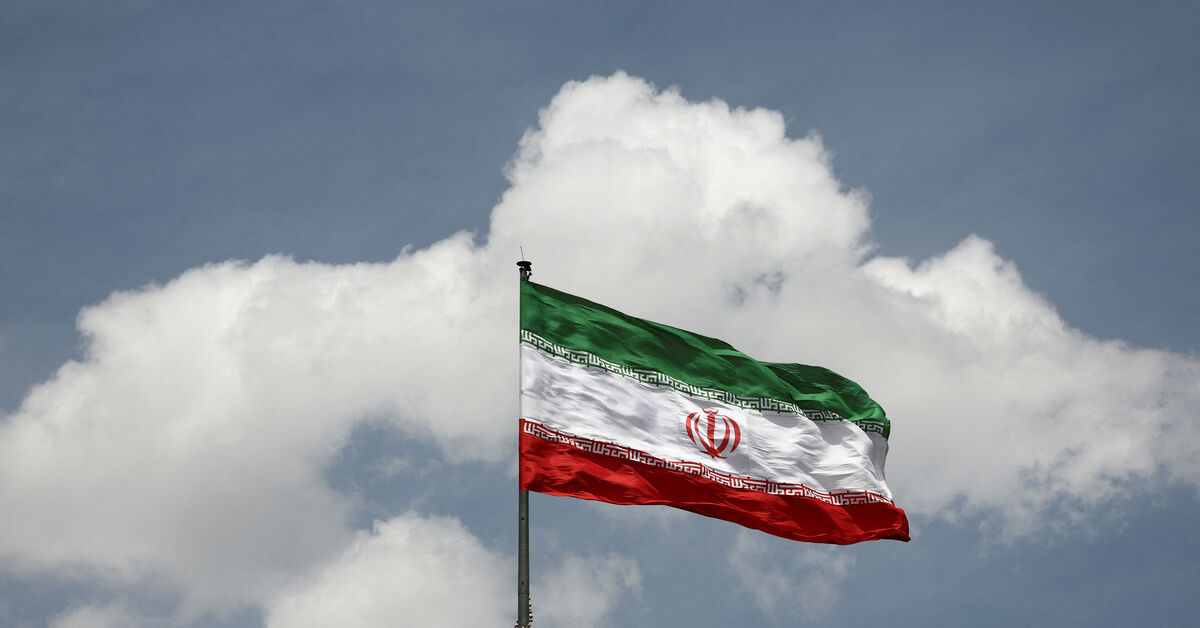
A confidential IAEA report says the agency's assessment of Iran's nuclear programme has barely changed since before the latest war. The watchdog is still pressing Tehran to explain the fate of enriched uranium stocks and to restore inspection access.
The world’s nuclear referee says Iran’s backyard changed very little even after big bombings. The problem is like losing track of important tools in a locked shed and not being allowed to check inside.
Analysis
What the report says
The IAEA sent a confidential report to member states saying there was no major shift in its view of Iran's nuclear programme, even after three months of U.S.-Israeli war. Reuters said the report was seen ahead of next week's Board of Governors meeting. The agency repeated its demand that Tehran explain what happened to stocks of enriched uranium.
Why the agency is worried
The report says Iran has not told the IAEA the fate of its low- and highly enriched uranium, including material enriched to up to 60% purity. That level is far above civilian needs and close to weapons-grade in technical terms. The IAEA said it has not been able to return to the nuclear sites bombed by Israel and the United States last June. It described the lack of access as a proliferation concern and said oversight has been missing for nearly a year.
The agency also said Iran cannot suspend its safeguards obligations under the Non-Proliferation Treaty, echoing the director general's warning that the rules must be implemented effectively.
Diplomatic context
The uranium stockpile remains a major issue in talks between Washington and Tehran to end the war. Trump has insisted Iran give up the material, while negotiations have recently shifted toward a preliminary deal that would postpone the nuclear file for later. The report suggests that, for now, the basic verification problem remains unresolved: the world does not have a clear account of Iran's declared uranium stocks or full access to the affected sites.
Key points
- The IAEA says its assessment of Iran's nuclear programme has not changed much since before the latest war.
- The agency is still asking Tehran to explain the fate of enriched uranium stocks, including material enriched up to 60%.
- The IAEA says it has not been able to return to sites bombed by Israel and the United States last June.
- The report calls the long loss of access a proliferation concern and says safeguards obligations remain in force.
- Iran's uranium stockpile remains a key issue in negotiations with the United States.
If Iran gives the IAEA clearer answers and access, the report suggests the monitoring gap could start to close. That would reduce one major source of tension in U.S.-Iran talks and make future negotiations less fragile.
If Iran keeps blocking access or withholding information, the loss of knowledge about its uranium stockpile will deepen. That would keep proliferation fears high and make any broader deal much harder to sustain.