Fish prints and shapes have UK shoppers hooked this summer
UK retailers say fish prints, fish-shaped accessories and homewares are selling fast, riding a broader tinned-fish and 'euro summer' trend.
Intelligence analysis by GPT-5.4 Mini
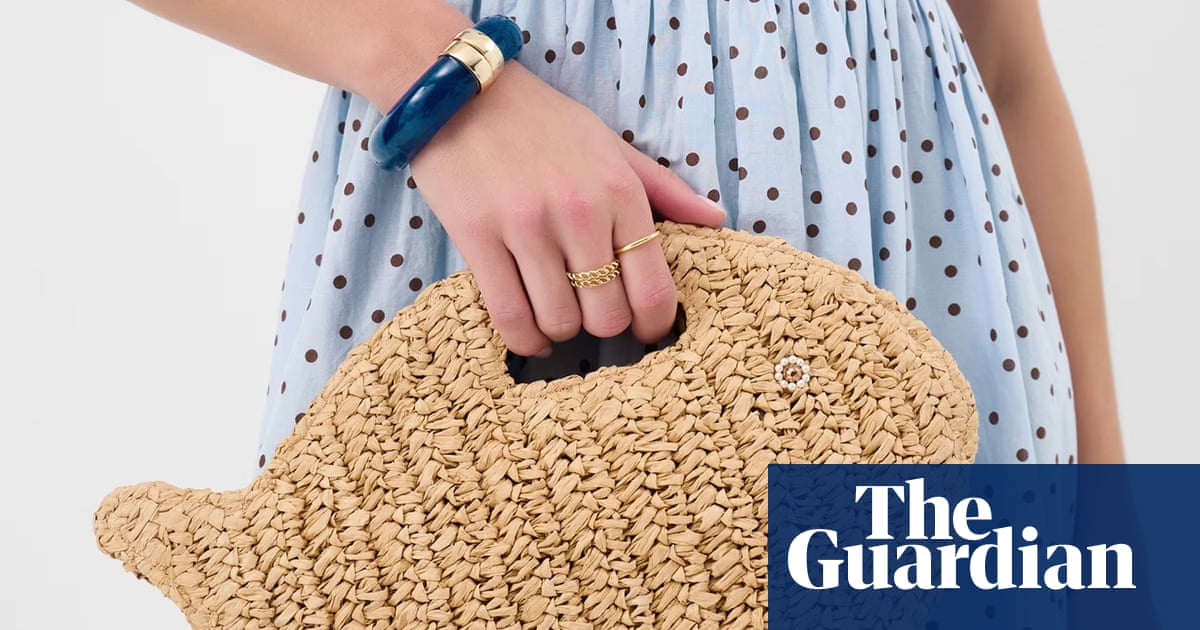
Retailers including John Lewis, Asos and Anthropologie say fish motifs are surging across clothing and homeware, with some products posting sharp sales jumps. The Guardian frames the trend as part fashion, part social signal, and part response to a cheaper, slower “euro summer” mood.
A lot of shops in the UK are selling clothes and home things with fish on them. Some items, like fish-shaped earrings and cups, are being bought much more often than before.
It is a bit like a school trend where one cool idea suddenly shows up on T-shirts, bags, and lunchboxes. This time the idea is fish, and it connects to people liking fancy tinned fish and a relaxed summer style.
The story matters because it shows how a fashion idea can help stores sell more. It also shows how people use what they buy to show the kind of life they want to have.
Analysis
What is selling
UK retailers are reporting a clear spike in fish-themed goods for summer. John Lewis says fish prints and shapes are spreading across fashion and homeware, with starfish earrings up 300% month on month and a fish-shaped glass tumbler set up 400%. A fish-shaped ceramic “gluggle jug” has also become a popular outdoor-dining item, with Wade Pottery versions up 129% month on month.
The trend is not limited to one retailer. Asos is seeing oversized T-shirts with sardines and carp among its bestsellers. Anthropologie is carrying fish-shaped hair clips and a beaded shoulder bag decorated with tiny sprats. Accessorize is selling raffia bags shaped like fish, while Farm Rio is leaning into koi and mollusc imagery.
Why it is catching on
The Guardian links the trend to the UK’s broader obsession with tinned fish, which has moved from cheap pantry food to a more stylised, premium product category. Tesco recently said an 18% rise in tinned tuna sales was helped by TikTok influencers, showing how social media can reshape demand for everyday goods.
The piece also puts the trend in a wider economic and cultural frame. Bettina Makalintal of Eater argues that food choices can signal social identity, while curator Melissa Marra-Alvarez says food and fashion have a long history of borrowing from each other. The article suggests fish motifs now serve as a form of “sideways aspiration”: not conspicuous luxury, but a more relaxed, European-feeling lifestyle.
The bigger signal
For retailers, this is a reminder that consumer demand can cluster around themes, not just prices. A passing aesthetic can create measurable sales momentum across apparel, accessories and homeware, especially when it fits online culture and a wider mood around how people want to live.
Key points
- John Lewis says fish prints and fish-shaped items are selling quickly across fashion and homeware.
- Starfish earrings, fish-shaped tumblers and gluggle jugs are all seeing strong demand.
- Asos, Anthropologie, Accessorize and Farm Rio are also selling fish-themed products.
- The article ties the trend to the rise of premium tinned fish and online culture.
- The piece frames the look as a softer, slower, more aspirational summer style.