Five years of Taliban rule: What has changed in 'Arg', the former presidential palace?
The Taliban have taken control of the former presidential palace in Kabul, Afghanistan, and have made significant changes to the way it operates. The palace, known as 'Arg', has become a symbol of the Taliban's rule and has been largely closed off to the public and media.…
Intelligence analysis by Llama
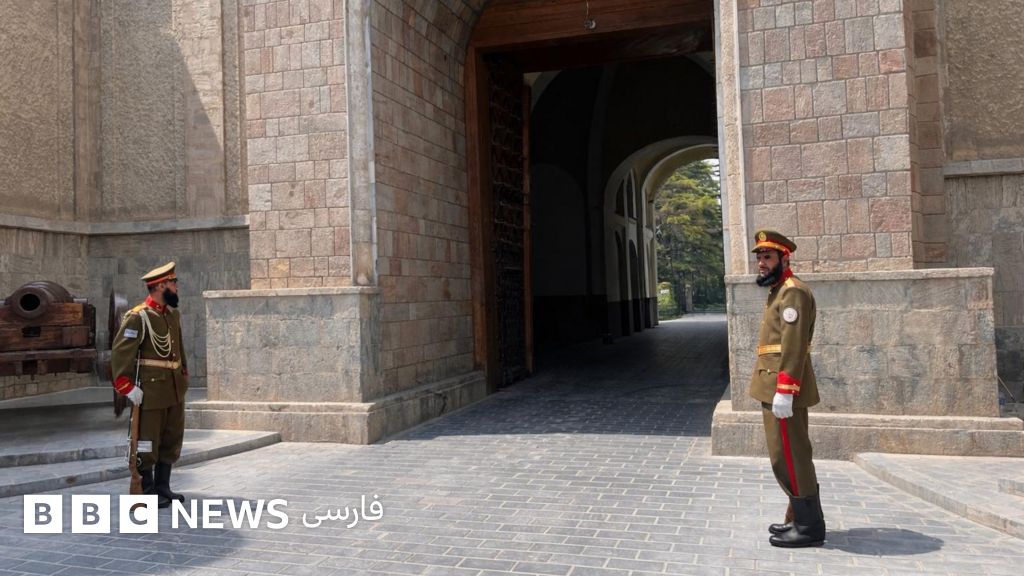
The Taliban have taken control of the former presidential palace in Kabul, Afghanistan, and have made significant changes to the way it operates. The palace, known as 'Arg', has become a symbol of the Taliban's rule and has been largely closed off to the public and media.
Imagine a big building that used to be the home of the president of Afghanistan. Now, the Taliban are in charge and they have made it very hard for people to go inside. They have put up big metal detectors and checkpoints to keep people out. It's like a big, secure fortress now.
Analysis
The Changing Face of the Palace
The former presidential palace in Kabul, known as 'Arg', has undergone significant changes since the Taliban took control of the country five years ago. The palace, which was once a symbol of the country's government, has become a symbol of the Taliban's rule. The Taliban have introduced new security measures, including the use of checkpoints and metal detectors, to restrict access to the palace. The palace has also been largely closed off to the public and media, making it difficult for journalists and others to enter.
A New Era of Security
The Taliban's control of the palace has brought about a new era of security in the country. The Taliban have introduced strict security measures, including the use of checkpoints and metal detectors, to restrict access to the palace. The palace has also been largely closed off to the public and media, making it difficult for journalists and others to enter.
The Impact on the Country
The Taliban's control of the palace has had a significant impact on the country. The palace has been a symbol of the country's government, and its closure has had a profound effect on the country's politics. The Taliban's control of the palace has also had a significant impact on the country's economy, as the palace has been a major source of revenue for the country. The palace has also been a symbol of the country's culture, and its closure has had a profound effect on the country's cultural heritage.
The Future of the Palace
The future of the palace is uncertain. The Taliban have introduced new security measures, including the use of checkpoints and metal detectors, to restrict access to the palace. The palace has also been largely closed off to the public and media, making it difficult for journalists and others to enter. The palace has been a symbol of the country's government, and its closure has had a profound effect on the country's politics. The Taliban's control of the palace has also had a significant impact on the country's economy, as the palace has been a major source of revenue for the country.
Key points
- The Taliban have taken control of the former presidential palace in Kabul, Afghanistan.
- The palace has been largely closed off to the public and media, making it difficult for journalists and others to enter.
- The Taliban have introduced new security measures, including the use of checkpoints and metal detectors, to restrict access to the palace.
- The palace has been a symbol of the country's government, and its closure has had a profound effect on the country's politics.
- The Taliban's control of the palace has had a significant impact on the country's economy, as the palace has been a major source of revenue for the country.
If the Taliban's control of the palace leads to a more stable and secure environment in Afghanistan, it could have a positive impact on the country's economy and politics. The palace could become a symbol of the Taliban's commitment to peace and stability, and could help to bring about a more peaceful future for the country.
If the Taliban's control of the palace leads to a more restrictive and isolated environment in Afghanistan, it could have a negative impact on the country's economy and politics. The palace could become a symbol of the Taliban's authoritarianism and could help to further entrench the country's isolation from the rest of the world.


