Flock boss admits surveillance firm took too long to act over police abuse
Flock, a US surveillance firm, is introducing new safeguards to prevent police misuse of its technology. The company's founder and CEO, Garrett Langley, admits that it took too long to protect its cameras and data from abuse.
Intelligence analysis by Llama
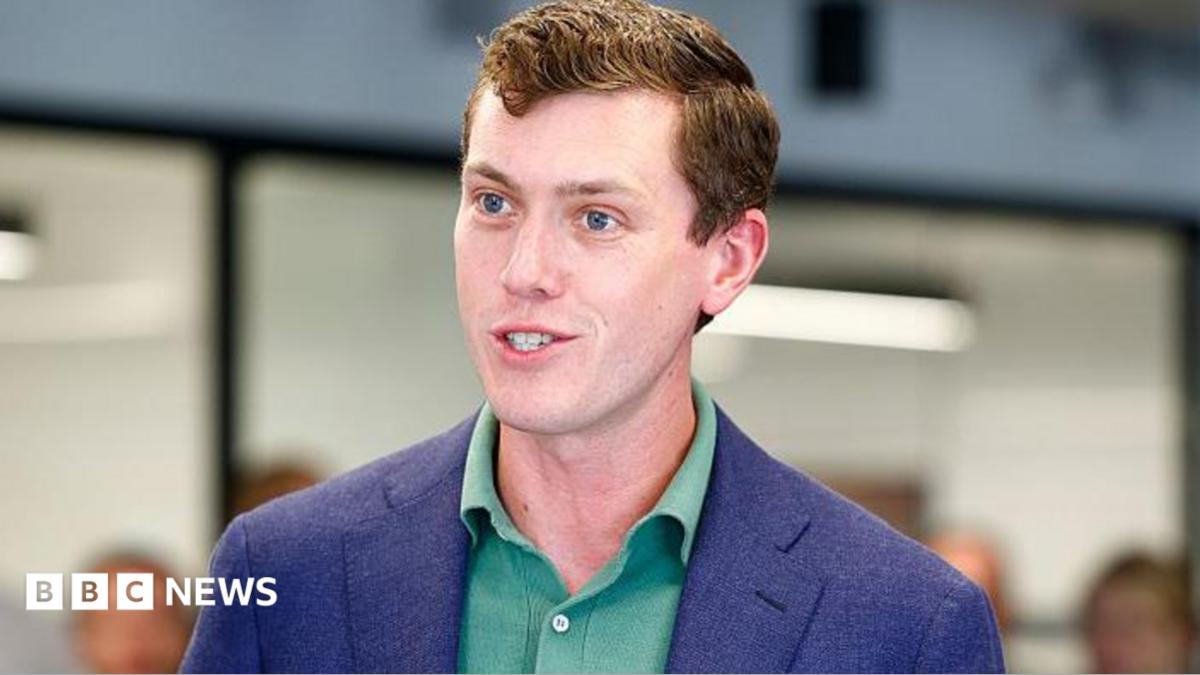
Flock is strengthening its safeguards after police misuse of its technology led to a public backlash. The company is cutting data retention from 30 days to 7 days and introducing an audit feature to flag unusual search behavior.
Flock is a company that helps police track people and cars. But some police officers have been using Flock to track people without a good reason. Flock's boss has said that this is not okay and that the company will do more to stop it. Flock is now making it easier for police to see when they are doing something wrong and to stop them from doing it.
Analysis
Flock's Delayed Response to Police Abuse
Flock, the US surveillance firm, has been at the center of a growing public backlash against police misuse of its technology. The company's founder and CEO, Garrett Langley, has admitted that it took too long to protect its cameras and data from abuse. In an interview with the BBC, Langley acknowledged that the company should have acted sooner to prevent police from misusing its technology.
Langley's admission comes as Flock is rolling out new safeguards to prevent police misuse of its technology. The company is cutting the number of days most data is retained from 30 days to 7 days. This change is a significant step towards protecting people's personal data and preventing police abuse of technology.
The Impact of Police Abuse
The police have used Flock to track romantic partners, external and stalk strangers, leading to growing public backlash against the company. It has also been used to find stolen cars and missing people. However, the misuse of Flock's technology has led to wrongful arrests and has damaged the trust between law enforcement and the public.
Flock's New Safeguards
Flock is introducing an audit feature that automatically creates an audit log of searches being done on Flock. This feature will flag unusual search behavior and help prevent police from misusing the technology. Most police customers have turned on the feature when it became an option, and Langley has decided to make it standard.
The Need for Accountability
Langley has accepted that responsibility for protecting people's personal data and preventing police abuse of technology. He has also acknowledged that officers who abuse their position should be punished with more than just dismissal. Langley believes that a camera is a powerful tool that should be held accountable, and he is committed to making Flock a leader in protecting people's personal data.
The Future of Flock
Flock is pitching its products as crucial to combatting crime and improving policing in the US. However, the company's new safeguards and commitment to accountability will be crucial in rebuilding trust between law enforcement and the public. As Flock continues to evolve and improve its technology, it is essential that the company remains committed to protecting people's personal data and preventing police abuse of technology.
Key points
- Flock is introducing new safeguards to prevent police misuse of its technology.
- The company is cutting data retention from 30 days to 7 days.
- Flock is introducing an audit feature to flag unusual search behavior.
- The company's founder and CEO, Garrett Langley, has accepted responsibility for protecting people's personal data and preventing police abuse of technology.
If Flock's new safeguards are implemented effectively, it could lead to a reduction in police abuse of technology and a rebuilding of trust between law enforcement and the public. This could also lead to a decrease in wrongful arrests and an increase in accountability for police officers.
If Flock's new safeguards are not implemented effectively, it could lead to continued police abuse of technology and a further erosion of trust between law enforcement and the public. This could also lead to an increase in wrongful arrests and a lack of accountability for police officers.