Follow-ups return 60% of damaged petchem capacity to production cycle
Iran's National Petrochemical Company (NPC) has restored 60% of its damaged petrochemical production capacity, despite challenges from energy facility damage, gas imbalances, and sanctions.
Intelligence analysis by Gemini 2.5 Flash
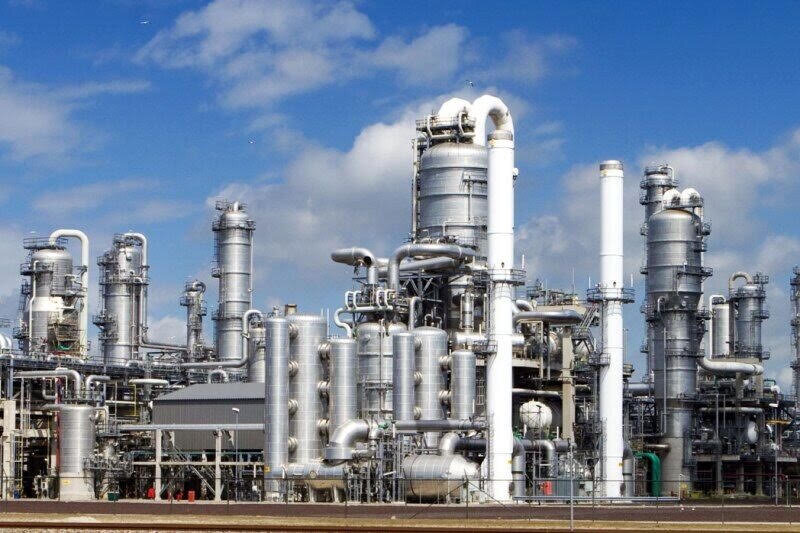
The CEO of Iran's National Petrochemical Company (NPC), Omid Shakeri, announced that significant progress has been made in restoring petrochemical facilities damaged by past conflicts and current energy issues. Despite anticipating tougher conditions this year due to gas imbalances and reduced refining capacity, the industry maintains stable exports and a high rate of foreign currency…
Imagine a big factory that makes important stuff like plastics and chemicals, but some parts got broken. The people running the factory have worked really hard, and now 60 out of every 100 broken parts are fixed and working again! Even though it's tough because there isn't always enough gas to power everything, and other countries make it hard to sell their products, this factory is still making lots of money for the country by selling its goods and bringing almost all of that money back home.
Analysis
The Iranian petrochemical industry, a cornerstone of the nation's non-oil economy, has demonstrated significant recovery efforts amidst a complex operational environment. According to Omid Shakeri, the CEO of the National Petrochemical Company (NPC), approximately 60 percent of the damaged production capacity has been successfully brought back online. This recovery is particularly noteworthy given the dual pressures of past damages, referred to as the "imposed war," and contemporary challenges such as energy facility damage and a persistent gas imbalance.
Omid Shakeri
Omid Shakeri, as the chief executive of the National Petrochemical Company, has provided a detailed overview of the industry's current state and future outlook. He acknowledged that the current year is expected to present tougher conditions for the petrochemical sector, primarily due to restrictions stemming from the gas imbalance during the cold season and damage to the refining industry. Shakeri emphasized that stable production is intrinsically linked to a stable flow of energy, a challenge exacerbated by increased household gas consumption in winter, which historically imposes unwanted restrictions on petrochemical plants. His statements underscore the strategic importance of public cooperation in managing energy consumption to support industrial output.
Shakeri also addressed the critical issue of exports and the repatriation of foreign currency earnings, a vital mechanism for Iran's economy under sanctions. He affirmed that the petrochemical industry has managed to maintain stable exports despite the pressures of "war conditions and sanctions." Furthermore, he explicitly rejected any problems in the process of repatriating foreign currency, stating that all export activities are under the supervision of the Central Bank. Petrochemical companies, after covering their own foreign currency needs, return over 90 percent of their earnings to the national economic cycle, positioning the industry at the forefront of Iran's economic defense.
60 Percent
The reported 60 percent recovery rate signifies a substantial achievement in restoring Iran's petrochemical infrastructure. This figure represents the proportion of lost capacities that have returned to production following extensive reconstruction efforts in key industrial hubs like Assaluyeh and Mahshahr. The damage inflicted was categorized into two main types: utility damage, affecting essential services, and specific process damage, impacting core production units. The serious pursuit of reconstruction in both these sectors has been instrumental in reaching this recovery milestone, with the oil management team reportedly aiming to restore an even larger portion of capacity by the end of the current year.
This recovery is crucial for Iran's industrial output and its ability to generate non-oil revenue. The petrochemical sector is a major contributor to the country's economy, and bringing damaged facilities back online directly boosts production volumes and export potential. The focus on both utility and process damage indicates a comprehensive approach to rehabilitation, ensuring that both the foundational infrastructure and the specialized production capabilities are restored. This systematic effort is vital for the long-term sustainability and growth of the industry, especially in a challenging geopolitical and economic climate.
Foreign Currency Repatriation
The process of foreign currency repatriation from petrochemical exports is a cornerstone of Iran's strategy to circumvent sanctions and bolster its national reserves. Omid Shakeri highlighted that the petrochemical industry's repatriation rate stands impressively above 90 percent, indicating a highly effective system for bringing export earnings back into the country's economic cycle. This mechanism is distinct from oil exports, as petrochemical companies directly sell their products and manage the repatriation of their foreign currency earnings, providing a more decentralized and potentially resilient approach to international trade.
This high rate of repatriation is critical for meeting Iran's foreign currency needs, especially when traditional oil revenues are constrained by international sanctions. The industry's ability to consistently convert export earnings into domestic economic benefit underscores its strategic importance beyond mere production. It serves as a vital artery for the national economy, providing essential foreign exchange that can be used for imports, investment, and stabilizing the national currency. The transparency and supervision by the Central Bank further reinforce the credibility and effectiveness of this financial pipeline, making the petrochemical sector a key player in Iran's economic resilience.
Key points
- Iran's National Petrochemical Company (NPC) has restored 60% of its damaged production capacity.
- The recovery addresses both utility and specific process damages in facilities like Assaluyeh and Mahshahr.
- The industry anticipates tougher conditions this year due to gas imbalances and reduced refining capacity.
- Petrochemical exports remain stable despite sanctions, with over 90% of foreign currency earnings repatriated.
- NPC CEO Omid Shakeri emphasized the need for public cooperation in managing energy consumption to support industrial stability.
The successful restoration of 60% of damaged petrochemical capacity signals strong recovery capabilities and resilience within Iran's industrial sector. This progress, coupled with stable exports and a high foreign currency repatriation rate, suggests the industry can continue to be a vital economic pillar, mitigating the impact of sanctions and energy constraints.
Despite recovery efforts, the petrochemical industry faces significant headwinds from anticipated tougher conditions due to gas imbalances in winter and reduced refining capacity. These energy restrictions could hinder further production growth and stability, potentially limiting the industry's full economic potential and increasing the need for public energy conservation.