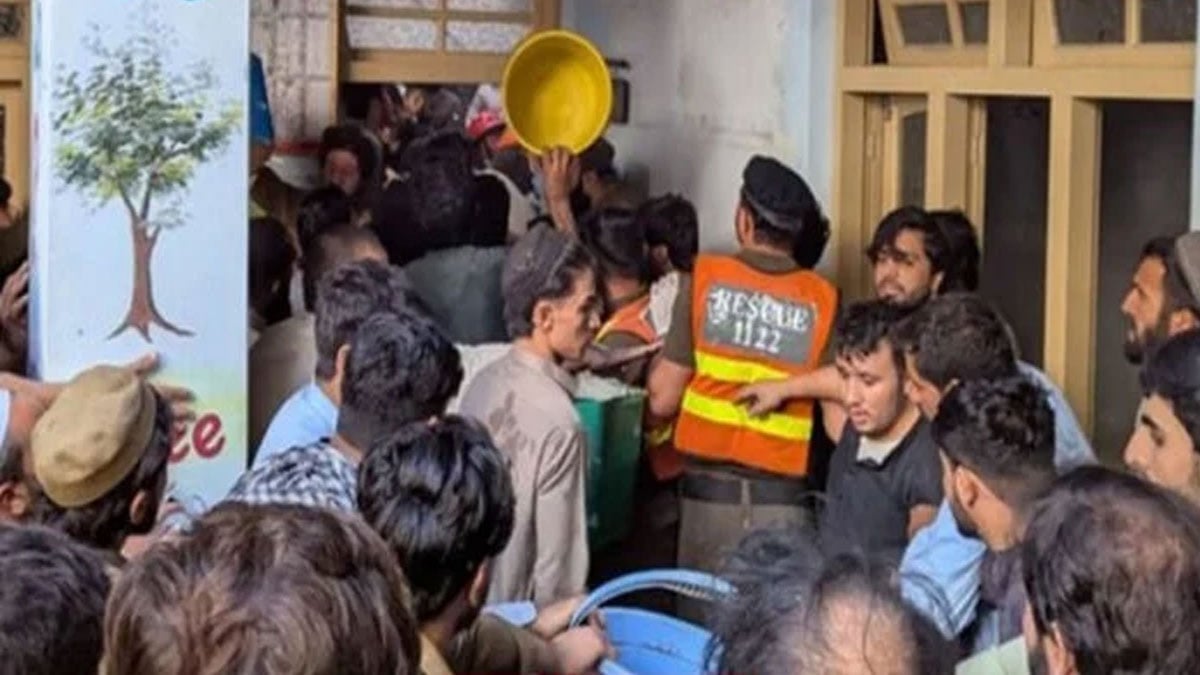
Food prices rise in major cities as goods transporters strike enters sixth day
A nationwide strike by goods transporters has entered its sixth consecutive day, leading to a decline in the arrival of goods vehicles in major cities, resulting in higher prices for essential commodities.
Intelligence analysis by Llama
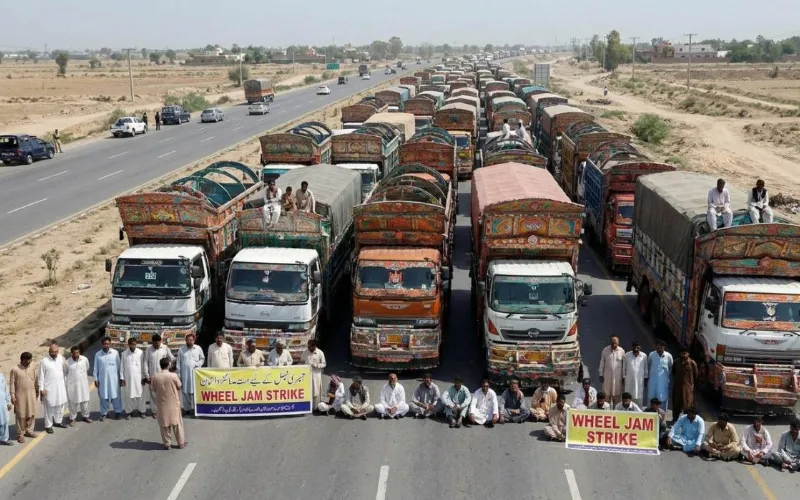
The strike has caused a sharp decline in the arrival of goods vehicles in Lahore, leading to higher prices for vegetables, flour, and pulses. Traders warn that continued disruption to goods transportation could further affect the supply of essential commodities and lead to additional price increases.
Imagine a big road where trucks carry food and other important things to cities. If the trucks stop moving, the food and things don't reach the cities, and prices go up. This is what's happening in Pakistan because of a strike by truck drivers. It's making it hard for people to get the things they need.
Analysis
Economic Impact of the Strike
The nationwide strike by goods transporters has entered its sixth consecutive day, causing a significant disruption to the supply chain of essential commodities. The impact of the strike has become visible in markets across the country, with the arrival of goods vehicles declining sharply in Lahore. Officials and traders have reported that the number of goods vehicles arriving in the city has fallen from around 100 to just 10, leading to higher prices for vegetables, flour, and pulses.
Price Increases in Major Cities
In Peshawar, the price of a 20-kilogram bag of flour has increased by Rs. 150 to Rs. 3,150. Prices of pulses have also gone up by Rs. 15 to Rs. 20. In Quetta, the price of onions has increased from Rs. 100 to Rs. 180 per kilogram. Chicken prices have also risen by Rs. 50 to Rs. 550 per kilogram. These price increases are a direct result of the strike, which has caused a shortage of essential commodities in the market.
Potential Consequences of the Strike
Traders have warned that continued disruption to goods transportation could further affect the supply of essential commodities and lead to additional price increases if the strike continues. The ongoing strike has significant implications for the daily lives of citizens, who rely on the timely arrival of goods vehicles to access essential commodities at affordable prices.
Key points
- The nationwide strike by goods transporters has entered its sixth consecutive day.
- The strike has caused a sharp decline in the arrival of goods vehicles in major cities.
- Prices of essential commodities have increased due to the shortage caused by the strike.
- Traders have warned that continued disruption to goods transportation could further affect the supply of essential commodities and lead to additional price increases.
If the strike ends soon, the supply of essential commodities could return to normal, and prices might decrease. However, this depends on the federal and provincial governments finding a solution to the strike and ensuring the smooth transportation of goods.
If the strike continues, the supply of essential commodities could be severely affected, leading to higher prices and potentially even shortages. This could have a significant impact on the daily lives of citizens, making it difficult for them to access essential commodities at affordable prices.