For China, Trump’s new drone tariffs threaten to deepen trade rift with US
Washington's new tariffs of up to 100% on imported drones from China are expected to exacerbate the US-China trade rivalry, creating a "lose-lose outcome" for both nations. The move follows China's own tightening of drone export controls to the US.
Intelligence analysis by Gemini 2.5 Flash
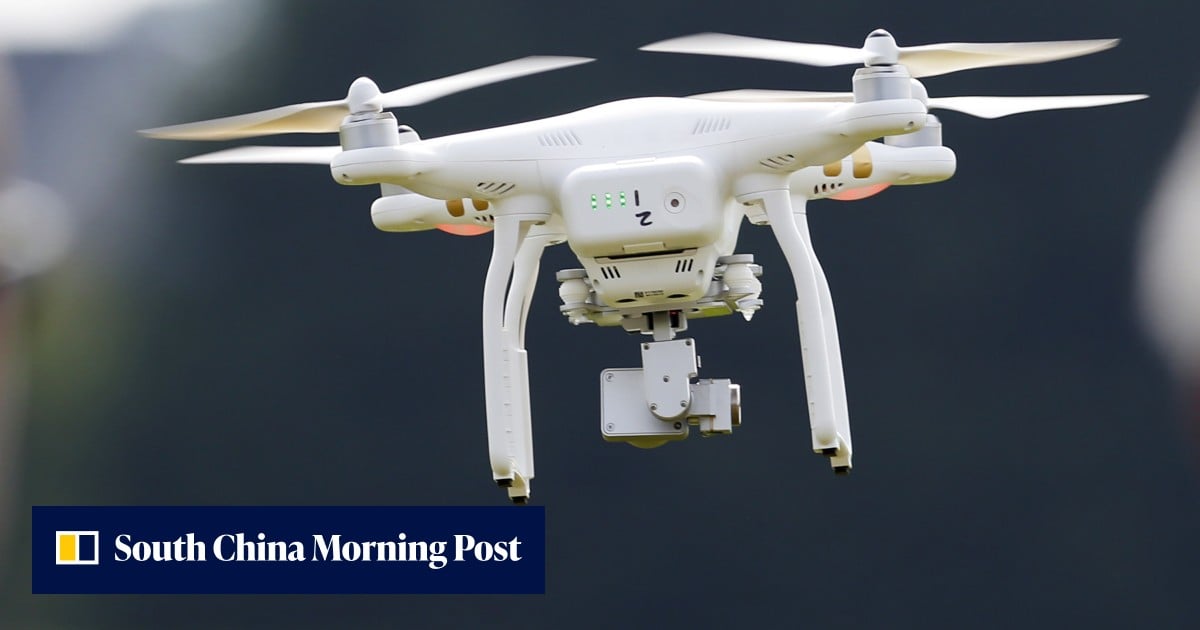
The US has imposed significant tariffs on Chinese drones and their components, citing national security concerns, which analysts predict will further escalate the tech and trade dispute between Washington and Beijing. This action, coming shortly after China tightened its own drone export rules, is set to disrupt global supply chains and increase costs for American consumers while hind…
Imagine two big kids, America and China, are having a competition over who makes the best toy airplanes that fly themselves, called drones. America just said that if China wants to sell its drones there, they'll have to pay a big extra fee, like a super-high tax, especially for the bigger, fancier ones. China had already said it would make it harder to send its drone parts to America. This means it's getting tougher for both sides, making the toys more expensive and harder to get, like when your favorite toy store can't get certain toys anymore.
Analysis
Donald Trump
US President Donald Trump's recent proclamation to impose tariffs on imported drones and their components marks a significant escalation in the ongoing technology and trade rivalry with China. The administration justified these measures by citing national security and cybersecurity risks, framing the move as essential for protecting American interests. This decision follows a broader pattern of the Trump administration using tariffs as a tool to address perceived economic imbalances and security threats from Beijing.
The tariffs are set to take effect 21 days after the proclamation's signing, indicating a swift implementation of the new policy. This aggressive stance underscores a hardening position against China's technological advancements, particularly in sectors deemed critical for national defense and infrastructure. The move is expected to send ripples through global supply chains, forcing manufacturers to re-evaluate their production strategies and sourcing locations.
25kg
The new tariff structure is highly differentiated, targeting specific types of drones based on their capabilities and origin. Drones considered particularly sensitive for national security, such as those with a maximum take-off weight exceeding 25kg or equipped with thermal-imaging capabilities, along with their docking stations and certain critical components, will face a steep 100 per cent tariff. This high levy aims to significantly deter the import of advanced Chinese drone technology into the US market.
Smaller drones, which typically cater to consumer or less specialized commercial uses, are subject to a 25 per cent tariff, still a substantial increase in cost. Interestingly, the proclamation also outlines preferential tariff rates for drones and components originating from allied nations. Imports from the European Union, Japan, Liechtenstein, South Korea, Switzerland, and Taiwan will face a 15 per cent duty, while those from the United Kingdom will incur a 10 per cent tariff, provided the hardware, software, and technology substantially originate from these countries or the United States. This tiered approach suggests an effort to diversify supply chains away from China while maintaining access to drone technology from trusted partners.
Ministry of Commerce
The US tariff announcement comes on the heels of a reciprocal move by Beijing, further illustrating the tit-for-tat nature of the trade dispute. Just last week, China's Ministry of Commerce declared that exports of drones, their key components, and related technologies to the US would be subject to stricter, case-by-case reviews. This tightening of export controls by China indicates a strategic response, potentially limiting American access to crucial drone parts and technologies, thereby impacting US manufacturers and consumers.
Analysts have quickly labeled the escalating measures as a "lose-lose outcome" for both the United States and China. The tariffs are expected to complicate Chinese firms' efforts to expand globally in the fast-growing drone industry, as disrupted supply chains and increased trade barriers make international market penetration more challenging. Simultaneously, American buyers will likely face higher costs for drones, whether due to direct tariffs on Chinese imports or the increased expenses associated with shifting production to other, potentially less efficient, regions. The overall effect is a deepening of the trade rift, with significant economic repercussions for both nations and the global drone market.
Key points
- The US has imposed tariffs of up to 100% on imported drones and components from China, effective 21 days after signing.
- Tariffs vary by drone type, with larger or thermal-imaging drones facing 100% and smaller ones 25%.
- Lower tariffs apply to drones from specific allied countries like the EU, Japan, and the UK, provided they originate there.
- China's Ministry of Commerce recently tightened its own drone export controls to the US, requiring stricter reviews.
- Analysts predict a "lose-lose outcome," complicating supply chains and raising costs for US buyers while hindering Chinese firms' global reach.
The new tariffs and reciprocal export controls are poised to deepen the trade rift, leading to a "lose-lose outcome" where American buyers face higher costs and Chinese firms struggle with global expansion due to disrupted supply chains. This escalation could further fragment the global technology market and hinder innovation.