Forged documents to fake auctions, how Delhi man pulled off luxury property scam
A Delhi businessman, Mohit Gogia, allegedly used forged documents and fake bank deals to target wealthy property buyers, selling luxury properties like No. 9, Amrita Shergill Marg and DLF Camellias in Gurgaon for around Rs 200 crore.
Intelligence analysis by Llama
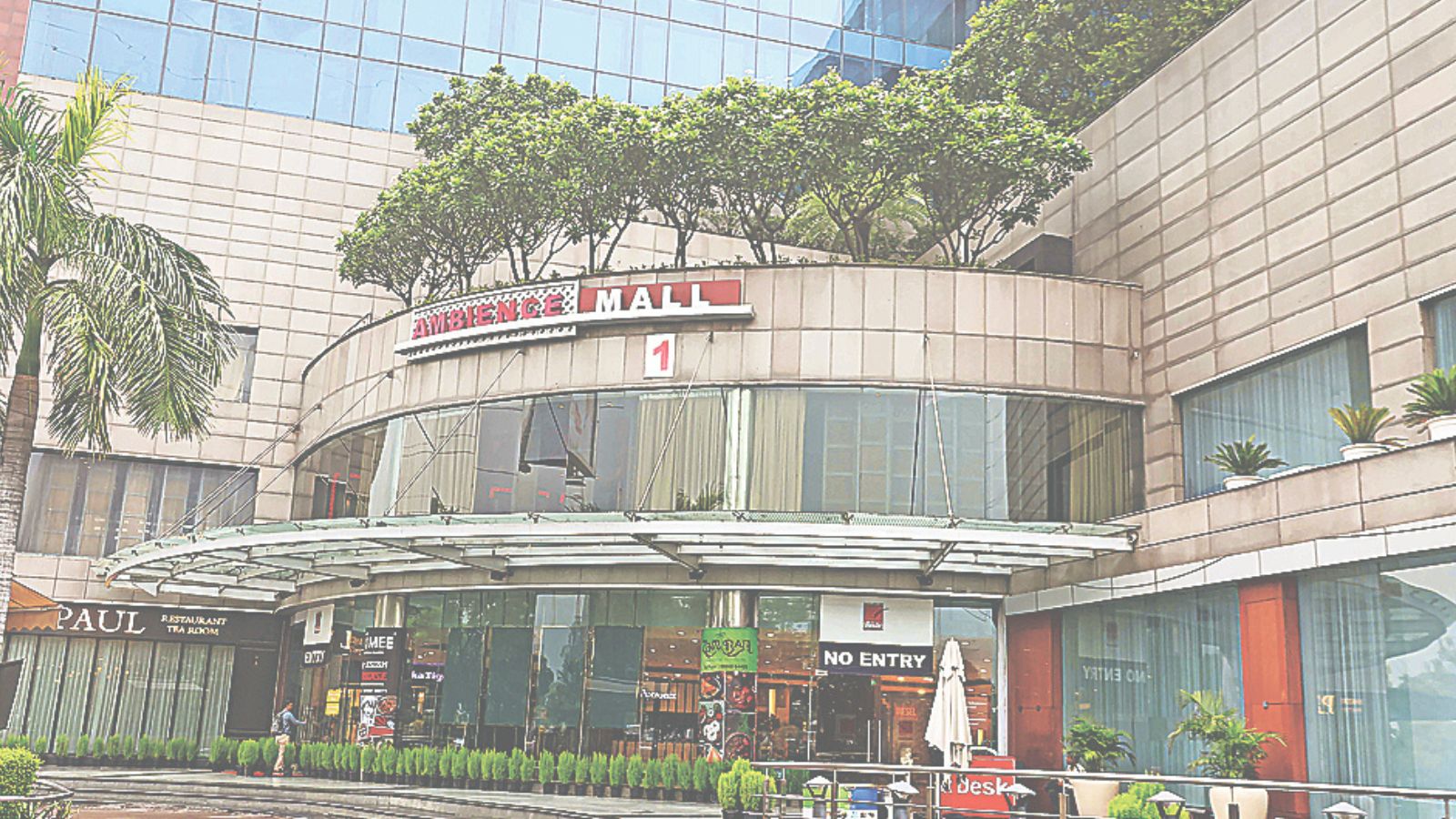
Delhi businessman Mohit Gogia allegedly used forged documents and fake bank deals to sell luxury properties like No. 9, Amrita Shergill Marg and DLF Camellias in Gurgaon for around Rs 200 crore, targeting wealthy property buyers.
Imagine you're looking to buy a super expensive house in a fancy neighborhood. A man named Mohit Gogia comes to you and says he can sell you this house for a lower price because it's being sold through a bank auction. He shows you fake documents and tells you that he has access to the bank's auction process. You pay him the money, but when you try to get the loan from the bank, they tell you that they never listed the house for auction. This is basically what happened in a scam where Gogia sold luxury properties to people for around Rs 200 crore.
Analysis
Luxury Property Scam Unfolds in Delhi
The alleged Rs 200-crore property fraud in Delhi has left many in the real estate industry stunned. At the center of the scam is 38-year-old businessman Mohit Gogia, who allegedly used forged documents and fake bank deals to target wealthy property buyers. Gogia's victims, police claimed, were not first-time buyers but seasoned real estate developers who coveted premium properties like No. 9, Amrita Shergill Marg and DLF Camellias in Gurgaon.
Gogia's modus operandi was to approach potential buyers with promises of exclusive properties at discounted prices. He allegedly claimed that the properties were being sold through a bank auction, and that he had access to the bank's auction process. This gave him the leverage to secure the properties before they reached the open market.
The scam came to light when Gogia's victims, including realtor Sonakshi Bansal, daughter of Unity Group co-founder and director Krishna Kumar Agrawal, began to suspect that something was amiss. Bansal had paid Rs 43 crore of the Rs 75 crore for the Amrita Shergill Marg property, and was told that she could get a loan from SBI for the remaining amount. However, when she tried to get the loan, she was told that SBI had never listed the property for auction.
The police investigation revealed that Gogia had been using forged documents and fake bank deals to sell the properties. He had also been using his connections in the real estate industry to get access to the properties and to sell them to his victims.
The alleged Rs 200-crore property fraud highlights the vulnerability of luxury property buyers to scams and the need for due diligence in high-end real estate transactions. It also raises questions about the role of the real estate industry in facilitating such scams and the need for greater regulation and oversight.
The Role of the Real Estate Industry
The real estate industry has long been plagued by scams and irregularities. The alleged Rs 200-crore property fraud in Delhi is just the latest example of this. The industry's lack of transparency and accountability has made it easy for scammers like Gogia to operate with impunity.
The real estate industry's failure to regulate itself has also contributed to the problem. The industry's self-regulatory bodies have been ineffective in preventing scams and irregularities, and have often been accused of being complicit in them.
The Need for Greater Regulation and Oversight
The alleged Rs 200-crore property fraud in Delhi highlights the need for greater regulation and oversight of the real estate industry. The industry needs to be held accountable for its actions, and needs to be subject to greater scrutiny and regulation.
The government needs to take a more active role in regulating the real estate industry and preventing scams and irregularities. This can be done by establishing a robust regulatory framework, increasing transparency and accountability, and providing greater protection to consumers.
Conclusion
The alleged Rs 200-crore property fraud in Delhi is a stark reminder of the vulnerability of luxury property buyers to scams and the need for due diligence in high-end real estate transactions. It also raises questions about the role of the real estate industry in facilitating such scams and the need for greater regulation and oversight.
Key points
- Delhi businessman Mohit Gogia allegedly used forged documents and fake bank deals to sell luxury properties like No. 9, Amrita Shergill Marg and DLF Camellias in Gurgaon for around Rs 200 crore.
- Gogia's victims, police claimed, were not first-time buyers but seasoned real estate developers who coveted premium properties.
- The scam came to light when Gogia's victims began to suspect that something was amiss and tried to get the loan from SBI, only to be told that they had never listed the property for auction.
- The police investigation revealed that Gogia had been using forged documents and fake bank deals to sell the properties.
- The alleged Rs 200-crore property fraud highlights the vulnerability of luxury property buyers to scams and the need for due diligence in high-end real estate transactions.
If the authorities are able to crack down on scams like this and bring the perpetrators to justice, it could lead to greater transparency and accountability in the real estate industry. This could make it easier for buyers to make informed decisions and reduce the risk of scams.
The alleged Rs 200-crore property fraud in Delhi highlights the vulnerability of luxury property buyers to scams and the need for due diligence in high-end real estate transactions. If the real estate industry is not held accountable for its actions, it could lead to more scams and irregularities, and further erode trust in the industry.