Former SPD leader Sigmar Gabriel warns of 'great misunderstanding' over welfare state — 'the firewall is not the problem'
Former SPD chairman Sigmar Gabriel has accused his party of drifting from its voter base, arguing the real issue is not the firewall against the AfD but a 'great misunderstanding' about what a social state should be.
Intelligence analysis by Llama

Sigmar Gabriel, SPD chair from 2009 to 2017, says the party turned a civilizing achievement into a 'comprehensive welfare state.' He criticizes Bürgergeld for alienating workers and rejects a pension reform that, in his view, punishes people exhausted after 45 years of contributions. The firewall alone, he adds, is not a strategy against the AfD.
A former boss of Germany's main center-left party says his old team forgot who built it. He thinks giving people money for not working made workers feel invisible, and asking tired cashiers to work until 50 is unfair. Beating the far right, he adds, takes better ideas, not just a wall.
Analysis
Bürgergeld
Gabriel framed the citizen's income, or Bürgergeld, as the moment the Social Democrats broke faith with their core voters. The 2023 reform replaced the older Hartz IV system and, in his telling, handed benefits to non-workers that came close to what low-paid employees actually took home after a lifetime of work. That parity, he argued, communicated to working people that their effort no longer mattered — a political wound the party inflicted on itself. His verdict was blunt: the SPD "kicked the chair out from under workers" with what he called a "devastating law." The criticism lands because it echoes a complaint already audible from trade union floors in eastern Germany, where AfD support is strongest.
1,200 Euro
The pension debate drew Gabriel's sharpest personal touch. He singled out a notional average pension of 1,200 euros a month, the kind of figure he said policymakers in comfortable jobs could not imagine living on. His alternative was deliberately modest: index pensions to inflation so no retiree loses purchasing power, but stop letting retirees share in wage growth the active workforce earns. The trade-off, in his view, is fairer than asking cashiers, care workers, and other physically exhausted contributors to work 48, 50 or more years or accept cuts. Framing the question this way turns the pension reform into a question of which group shoulders the cost — and which party is seen to protect them. The political risk for the SPD is that its own base in eastern Germany reads this kind of arithmetic as confirmation that Berlin does not understand them.
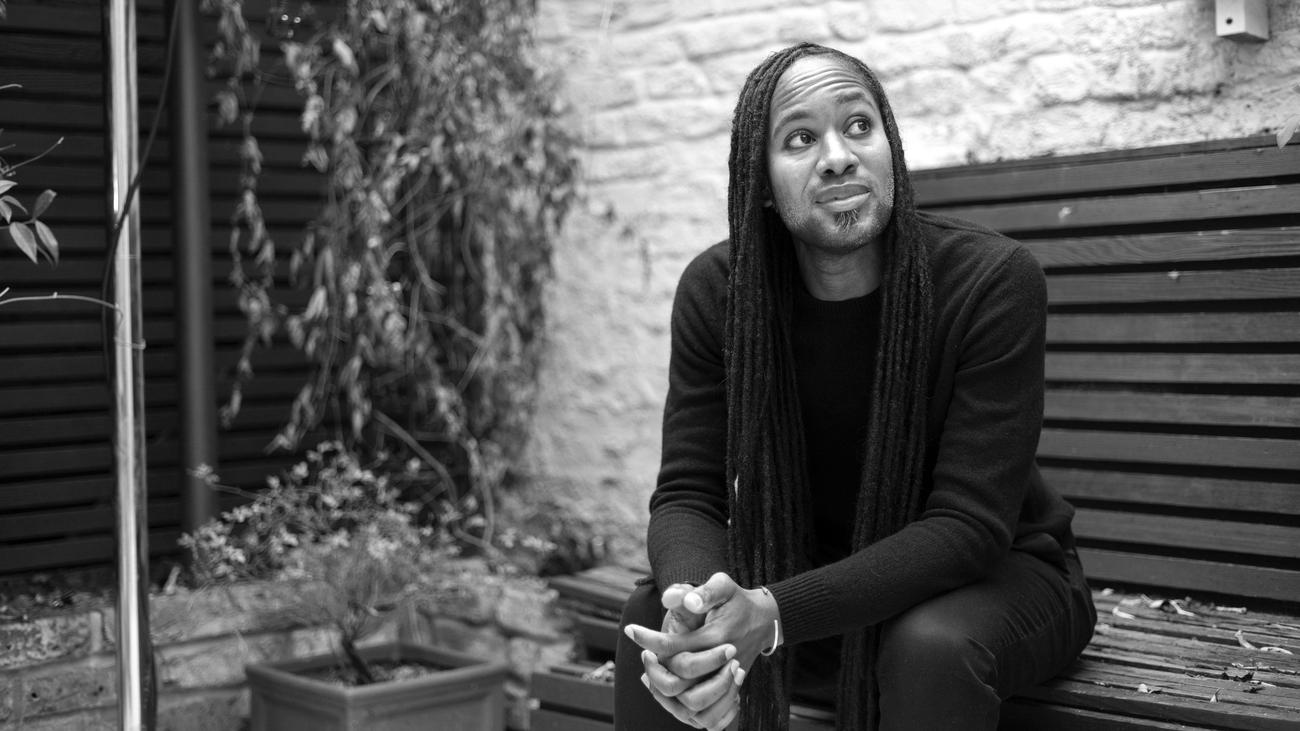
Sigmar Gabriel
Gabriel's standing gives the intervention weight. He led the SPD from 2009 to 2017 and served as vice-chancellor and economy minister, so his diagnosis of how the party lost working-class voters carries a credibility that a current Bundestag backbencher could not claim. His conclusion on the AfD is also pointed: maintaining a firewall against a party that does not separate national-conservative from national-reactionary and right-radical politics is a matter of basic democratic hygiene, not a strategy. Real confrontation, he said, means putting the AfD on the hook for its concrete positions rather than letting it hide behind the wall. Read together, the three threads — welfare, pensions, and the AfD — amount to a roadmap for an SPD that wants to win back voters without abandoning its values, a path the current leadership under Lars Klingbeil has so far struggled to chart.
Key points
- Gabriel says the SPD's real problem is not the AfD firewall but a 'great misunderstanding' of what a social state is.
- He accuses the party of turning a civilizing achievement into an 'all-encompassing welfare state.'
- On Bürgergeld, he argues the reform left low-paid workers feeling their lifetime of effort was no longer respected.
- On pensions, he warns against asking people exhausted after 45 contribution years, such as cashiers and care workers, to work 48, 50 or more years.
- He calls the firewall a matter of democratic principle but not a strategy, urging the SPD to confront the AfD on its concrete positions.
If the SPD absorbs Gabriel's diagnosis, it could re-anchor its identity around a work-respecting social state and win back voters in the former industrial heartlands. A pension compromise tied to inflation rather than to longer working lives could also defuse anger in eastern Germany before the next federal election.
If the warnings are ignored, the SPD risks normalizing the AfD as the voice of working-class concerns in eastern Germany. A pension reform perceived as punishing the physically exhausted could deepen the sense, already visible in the polls, that mainstream parties govern for comfortable urban professionals rather than for the people who keep the country running.