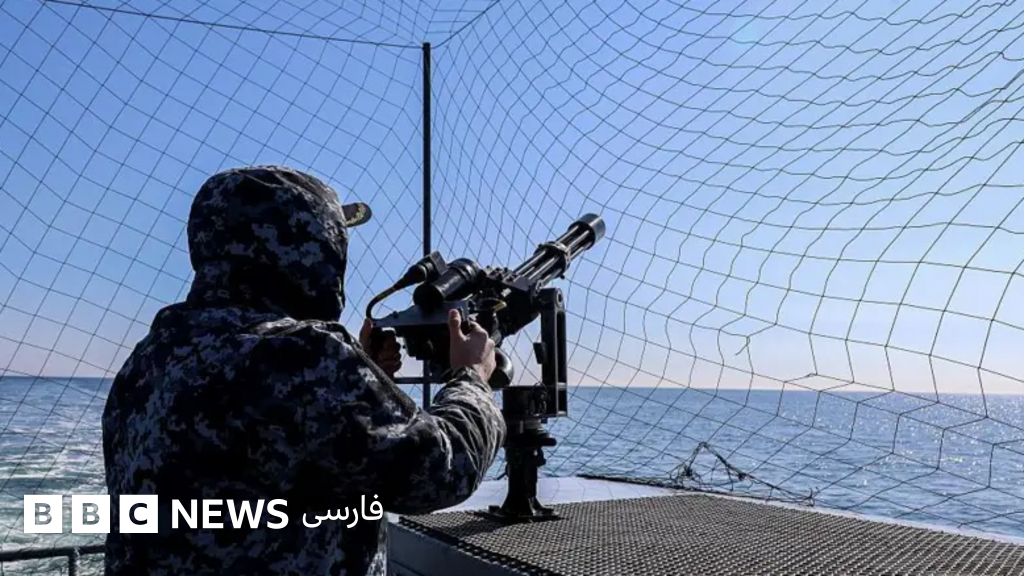
Former US counterterrorism chief says Iran emerged stronger after war, urges policy shift
The former head of the US National Counterterrorism Center argues that Iran has emerged stronger after the war and urges a policy shift, warning that continued attacks would only deepen strategic setbacks for the United States.
Intelligence analysis by Llama
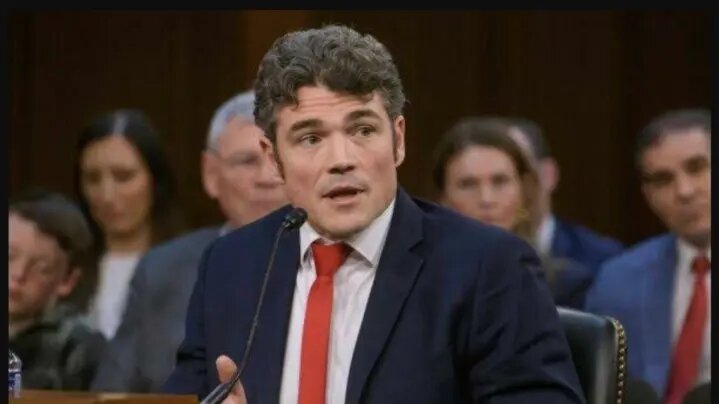
The former US counterterrorism chief, Joseph Kent, has stated that Iran has become a major regional power after the war and that the US must acknowledge this reality and adjust its posture accordingly to strengthen its position.
Imagine a big game of chess between the US and Iran. The US has been trying to win the game by attacking Iran, but it's actually made Iran stronger. Now, the US needs to change its strategy and work with Iran to find a way to end the conflict and make the region safer.
Analysis
A Shift in US Policy Towards Iran
The recent conflict between the US and Iran has reshaped the geopolitical landscape of West Asia, rendering previous US assumptions about the region obsolete. According to Joseph Kent, the former head of the US National Counterterrorism Center, Iran has emerged as a major regional power, and the sooner the US recognizes this reality and adjusts its posture accordingly, the stronger its position will be.
Kent argues that the US campaign has failed to accomplish its strategic objectives and that any attempt to launch a ground operation against Iran would prove to be a strategic disaster, leading to significant American casualties and further destabilizing the region. He also maintains that the assassination of Ayatollah Seyyed Ali Khamenei produced the opposite of its intended effect, reinforcing national cohesion and rallying many Iranians behind the government and the Islamic Revolution Guards Corps (IRGC).
To restore uninterrupted shipping through the Strait of Hormuz, Kent proposes that the US reduce its military footprint across the region, including the withdrawal of US troops, bases, and naval forces. This move, he says, would help remove what Iran considers the principal source of military tension and reduce the likelihood of Iranian strikes on US positions and ease risks to maritime traffic in one of the world's most important energy corridors.
Kent suggests that once tensions subside, diplomacy could resume through a framework in which the United States offers sanctions relief in exchange for assurances regarding freedom of navigation in the Strait of Hormuz. This approach, he believes, would help to ease tensions and promote regional stability.
The Road Ahead
The article highlights the need for the US to reassess its stance on Iran and consider a policy shift. As Kent notes, the US must acknowledge Iran's strengthened regional position and adjust its posture accordingly to strengthen its position. This may involve reducing its military footprint across the region and engaging in diplomacy to ease tensions and promote regional stability.
Why This Matters
The article matters because it highlights the need for the US to reassess its stance on Iran and consider a policy shift. As the region continues to evolve, the US must adapt its approach to ensure its position remains strong. By acknowledging Iran's strengthened regional position and adjusting its posture accordingly, the US can help to ease tensions and promote regional stability.
Key points
- Iran has emerged as a major regional power after the war.
- The US must acknowledge Iran's strengthened regional position and adjust its posture accordingly.
- Continued attacks on Iran would only deepen strategic setbacks for the US.
- A policy shift is needed to ease tensions and promote regional stability.
If the US and Iran can work together to find a peaceful solution, it could lead to a significant reduction in tensions and a more stable region. This could also pave the way for increased economic cooperation and trade between the two countries.
If the US continues to pursue a confrontational approach towards Iran, it could lead to further escalation and increased instability in the region. This could also result in significant economic losses and a deterioration in US-Iran relations.