Formula 1 Drivers: The Extreme Physical Demands, Intense Training, and Carbohydrate-Rich Diet
Formula 1 drivers are high-performance athletes enduring extreme G-forces, cockpit temperatures over 60°C, and significant weight loss during races. Their rigorous training focuses on neck strength, while their diet emphasizes carbohydrates for sustained energy and optima…
Intelligence analysis by Gemini 2.5 Flash
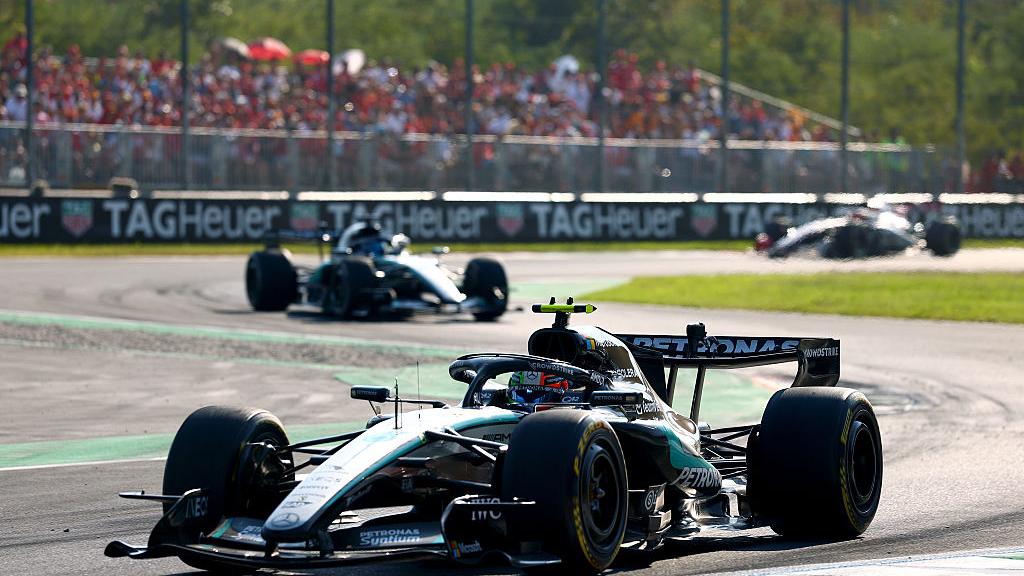
The article details the extraordinary physical and mental demands placed on Formula 1 drivers, highlighting that racing is far more than just driving. It delves into their specialized training, particularly for neck strength, and their carefully managed diet, which prioritizes carbohydrates to combat the intense calorie and fluid loss experienced during a race.
Imagine driving a super-fast race car that goes over 300 km/h! It's like being on a roller coaster for two hours, but way more intense. Your body gets pushed around so hard, especially your neck, which has to hold up your heavy helmet against forces like 30 big bags of sugar! Inside the car, it's hotter than a summer day, making you sweat so much you can lose a few kilograms of water. So, these drivers train super hard, especially their necks, and eat lots of energy-giving foods like pasta and rice to stay strong and focused.
Analysis
300 Kilometers Per Hour
Formula 1 racing is often perceived as merely driving a car, but the reality for drivers is an intense athletic endeavor. Speeds exceeding 300 kilometers per hour subject the body to extreme gravitational forces, particularly during turns and heavy braking, where the pressure can be many times a driver's body weight. Compounding this physical stress, drivers operate in cockpits that can reach temperatures over 60 degrees Celsius, with humidity levels up to 90 percent, all while wearing multiple layers of fireproof gear for up to two hours. This environment demands not only peak physical endurance but also acute mental focus to manage steering controls, radio communications, tire conditions, and competitor movements simultaneously. The 'British Journal of Sports Medicine' study from 2026 underscores that F1 drivers are truly high-performance athletes, pushing their bodies and minds to their absolute limits.
30 Kilograms of Pressure
A critical aspect of an F1 driver's physical prowess is their exceptional neck strength, often referred to as their "secret weapon." During a race, the combined weight of a driver's head and helmet can exceed six kilograms. However, when navigating high-speed turns, the G-forces multiply this weight, imposing a load of over 30 kilograms on the neck muscles. This immense pressure necessitates a specialized and rigorous neck training regimen. Lando Norris, for instance, reportedly engages in neck training at least five times a week, as confirmed by his trainer, Jon Malvern. This specific focus on neck conditioning is vital for drivers to maintain control and prevent injury under the extreme forces encountered on the track, distinguishing them from many other athletes whose aerobic capacity might be comparable but lack this unique muscular development.
82 Kilograms Minimum
The dietary approach for Formula 1 drivers is meticulously planned, with carbohydrates forming the fundamental component. Sports nutritionist Dr. Dan Martin, who has worked with drivers like Oscar Piastri, emphasizes that the timing of meals is as crucial as the food itself. Drivers consume carbohydrate-rich foods such as rice, oats, potatoes, pasta, quinoa, fruits, and grains to fuel their bodies, complemented by lean proteins like chicken, fish, eggs, and legumes, along with healthy fats from nuts, seeds, avocados, and fatty fish. This diet is essential to counteract the significant energy expenditure and fluid loss during races, where drivers can lose 1500 calories and 2 to 4 kilograms of body weight due to dehydration and extreme heat. Historically, there was pressure for drivers to be underweight, leading to restrictive diets; however, the International Automobile Federation (FIA) introduced a minimum driver mass of 82 kilograms (including equipment and seat) to ensure driver health and prevent extreme measures, allowing for optimal nutrition and performance.
Key points
- F1 drivers are high-performance athletes enduring extreme G-forces and cockpit temperatures exceeding 60°C.
- Neck training is crucial, with drivers' necks handling up to 30 kg of equivalent pressure during sharp turns.
- Drivers can lose 2 to 4 kilograms of body weight per race due to dehydration and extreme heat, losing around 1500 calories.
- Carbohydrates form the foundation of an F1 driver's diet, supported by proper meal timing and hydration.
- The FIA introduced a minimum driver mass of 82 kg (including equipment and seat) to ensure driver health and fair competition.
The advanced understanding of F1 driver physiology and nutrition ensures that athletes can perform at their peak safely, pushing the boundaries of human endurance in motorsport. The FIA's minimum driver mass rule promotes healthier practices, allowing drivers to focus on optimal performance rather than extreme weight loss.
Despite rigorous training and diet, the extreme conditions of F1 racing, including high temperatures and G-forces, still pose significant health challenges and risks of dehydration and fatigue for drivers. The constant pressure to maintain peak physical condition could lead to burnout or injuries if not managed meticulously.