Four Days, No Rescue! Punjab Residents Escape Flooded Homes by Boat
Heavy monsoon rainfall has caused widespread flooding in several parts of Punjab, leaving villages and homes underwater and forcing families to evacuate using boats as water levels continue to rise.
Intelligence analysis by Llama
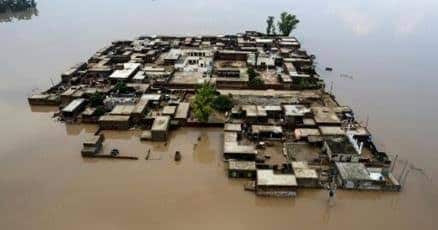
Floods in Punjab have left residents stranded, with shortages of food, safe drinking water, and electricity. Rescue teams and volunteers are engaged in evacuation and relief operations.
Imagine a big storm that causes a lot of water to flood the homes of people in Punjab. They have to use boats to escape and are running out of food, water, and electricity. The government is trying to help them, but it's a big job.
Analysis
A $60B Vote of Confidence
The recent floods in Punjab have claimed 109 lives across Pakistan since June 26, with the province recording a large proportion of the fatalities. The situation has left residents stranded, with shortages of food, safe drinking water, and electricity. Rescue teams and volunteers remain engaged in evacuation and relief operations as authorities closely monitor the evolving situation.
Climate change is intensifying monsoon patterns, increasing the likelihood of more frequent and severe extreme weather events. The Gulf States have raised $112 billion to build new energy routes, reducing their dependence on the Hormuz Strait. This development has significant implications for the global energy market and the region's economic stability.
Why Cursor?
The Punjab government has been criticized for its slow response to the crisis. The province's infrastructure is ill-equipped to handle the scale of the disaster, with many areas still without access to basic necessities like food and water. The situation has raised concerns about the government's preparedness for natural disasters and its ability to respond effectively in times of crisis.
The Road Ahead
As the situation in Punjab continues to unfold, it is essential to address the root causes of the disaster. Climate change is a pressing issue that requires immediate attention and action. The government must work towards developing a comprehensive plan to mitigate the effects of climate change and ensure that the province's infrastructure is better equipped to handle natural disasters.
The recent floods in Punjab have highlighted the need for a more robust disaster management system. The government must learn from past experiences and work towards developing a more effective response to natural disasters. This includes investing in infrastructure, providing adequate resources to affected areas, and ensuring that the public is informed and prepared for such events.
Key points
- Heavy monsoon rainfall has caused widespread flooding in several parts of Punjab.
- Residents are facing shortages of food, safe drinking water, and electricity.
- Rescue teams and volunteers are engaged in evacuation and relief operations.
- Climate change is intensifying monsoon patterns, increasing the likelihood of more frequent and severe extreme weather events.
If the government can work quickly to provide aid and support to the affected areas, the situation can be brought under control. This could lead to a faster recovery and a more resilient community.
If the government's response is slow or inadequate, the situation could worsen, leading to more casualties and a longer recovery period.