France and Germany abandon joint project to build European fighter jet
France and Germany have dropped the main fighter-jet part of FCAS after Airbus and Dassault failed to agree on control.
Intelligence analysis by GPT-5.4 Mini
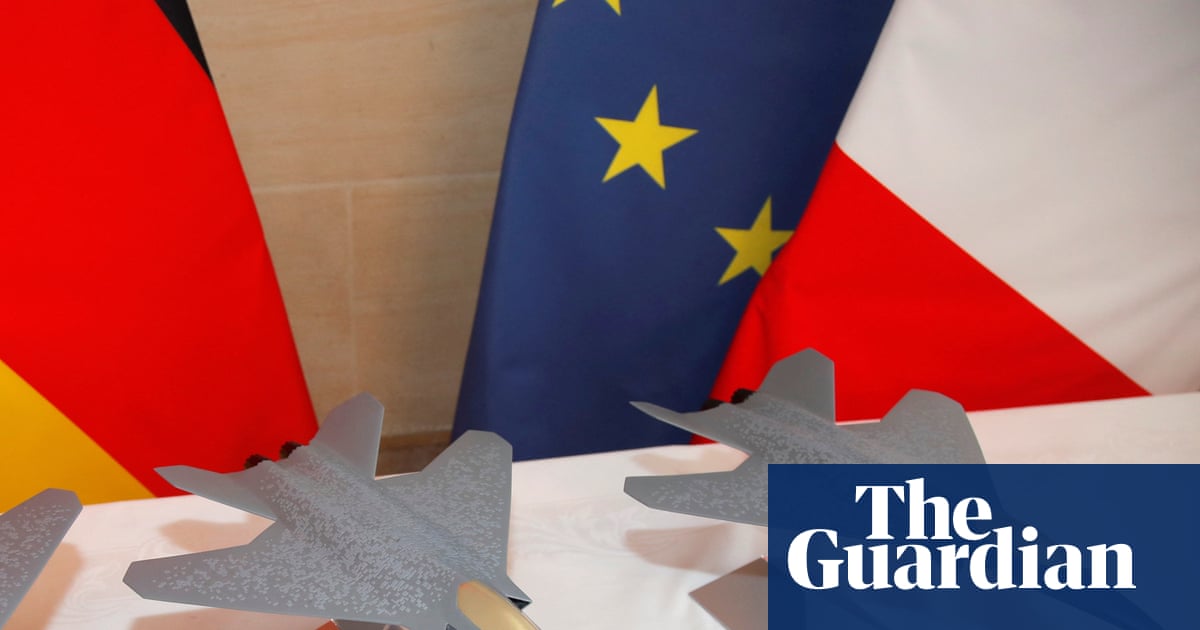
Paris and Berlin have concluded that the companies behind Europe’s Future Combat Air System cannot bridge their disputes, ending the fighter-jet project at the center of the programme. Some related parts, such as drones and a secure combat data cloud, may still go ahead.
France and Germany tried to build a shared super-fast plane, but the teams could not agree on who would lead. It is like two classmates trying to build one robot but fighting over the controller, so the robot project stops even if a few smaller parts might still be made.
Analysis
What happened
France and Germany have decided the companies involved in the Future Combat Air System will not reach agreement, so the joint fighter-jet project has been abandoned. The decision comes after years of disputes between France’s Dassault Aviation and Airbus, which was representing German and Spanish interests.
Why it broke down
The core conflict was about control. Dassault wanted to be the lead partner to protect its intellectual property, while Airbus wanted a more equal partnership with major technology transfers. The two governments also disagreed about what kind of aircraft they needed: France wanted a single European model, while Germany argued its requirements were different because French jets must be able to carry nuclear weapons and land on aircraft carriers.
What remains
The programme was not just about the jet itself. It also included drones and a high-security combat data cloud, and European sources told Reuters that those parts could still continue. A German government source said the "core" of FCAS could still be developed as a European system linking aircraft, drones, and other components.
Bigger picture
This is a serious blow to European defence cooperation. The article frames the project as part of a wider push to overcome decades of underinvestment, especially as Europe faces a hostile Russia and a less dependable United States. It also lands at a sensitive moment politically, with French elections due next year and both governments having publicly backed the project before admitting failure.
Key points
- France and Germany have abandoned the fighter-jet part of the Future Combat Air System.
- The dispute centered on leadership, intellectual property, and technology sharing between Dassault and Airbus.
- The programme was meant to replace France’s Rafale and Germany-Spain’s Eurofighter by about 2040.
- Some related parts of the project, including drones and a combat data cloud, may still continue.
- The breakdown is a setback for Europe’s wider effort to cooperate on defence.
If the smaller parts of FCAS continue, Europe could still build shared tools like drones and a secure data network. That would preserve some cooperation and keep part of the programme alive even without the fighter jet itself.
The failure of the main aircraft project could weaken Europe’s push to build common defence systems and slow future joint projects. It may also leave France, Germany, and Airbus with years of wasted effort and no clear replacement for the abandoned jet plan.