France to deliver interceptor missiles to Ukraine after fresh wave of Russian strikes
France announced it will deliver new interceptor missiles to Ukraine, whose air defenses are depleted following a fresh wave of deadly Russian strikes and continued exchanges of fire.
Intelligence analysis by Gemini 2.5 Flash
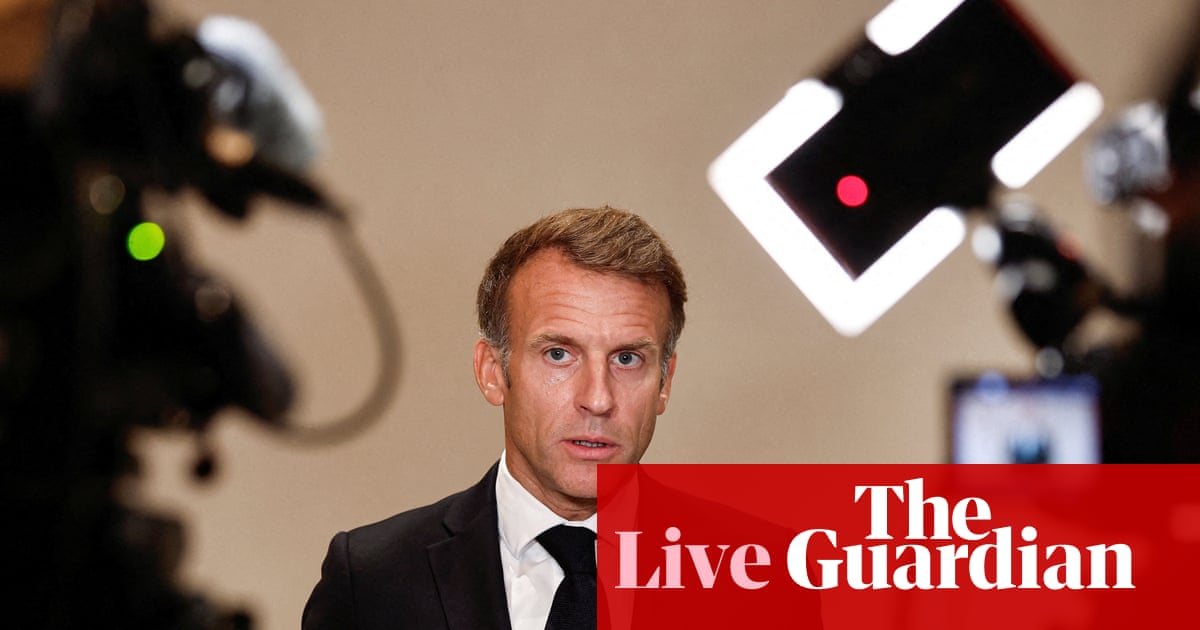
French President Emmanuel Macron pledged new interceptor missiles to Ukraine, addressing the critical shortage in its air defense capabilities. This decision follows recent intense and deadly Russian attacks, highlighting the ongoing need for international support to bolster Ukraine's ability to protect its territory and citizens.
Imagine Ukraine is playing a game where bad guys are throwing lots of toy rockets. Ukraine has shields to block them, but they're running out of shields because so many rockets are being thrown. Now, France is sending more shields to help Ukraine protect itself better from the toy rockets.
Analysis
The announcement by French President Emmanuel Macron to supply Ukraine with new interceptor missiles marks a critical juncture in the ongoing conflict, directly addressing Ukraine's urgent need for enhanced air defense capabilities. This commitment comes in the wake of intensified Russian aerial assaults, which have reportedly strained Ukraine's existing missile stockpiles. The delivery of these advanced systems is intended to bolster Kyiv's ability to protect its cities and infrastructure from further destruction, potentially mitigating the human and material cost of the sustained attacks. Such military aid underscores the continued resolve of Western allies to support Ukraine's defense efforts against Russian aggression, even as the conflict enters prolonged phases.
Emmanuel Macron's Pledge
French President Emmanuel Macron's decision to provide interceptor missiles to Ukraine is a direct response to the escalating intensity of Russian strikes. This pledge highlights France's role as a key European ally in supporting Ukraine's sovereignty and territorial integrity. The timing of the announcement, following a "fresh wave of Russian strikes," indicates a reactive measure designed to immediately address a critical vulnerability in Ukraine's defensive posture.
Such high-profile commitments from major European powers are vital for maintaining the morale of Ukrainian forces and civilians, as well as signaling continued international solidarity against military aggression. The specific type of interceptor missiles was not detailed in the article, but their purpose is clear: to shoot down incoming Russian projectiles. This type of defensive aid is crucial for Ukraine, which has been heavily reliant on Western-supplied air defense systems to counter Russia's extensive missile and drone arsenal.
Ukraine's Air Defenses
The article explicitly states that Ukraine's air defenses are "running short" after the latest round of deadly Russian attacks. This shortage represents a significant operational challenge for Kyiv, as effective air defense is paramount for protecting civilian populations and critical infrastructure from aerial bombardment. The depletion of interceptor missile stocks leaves Ukrainian cities more vulnerable to damage and casualties, directly impacting the country's ability to sustain its war effort and maintain a semblance of normalcy.
The continuous need for resupply underscores the high rate of expenditure of defensive munitions in modern warfare, especially when facing a persistent and well-equipped aggressor. Ukraine's reliance on external partners for these crucial supplies highlights the asymmetric nature of the conflict, where Russia possesses a larger domestic production capacity for offensive weaponry. The French delivery, therefore, is not just an an addition to Ukraine's arsenal but a vital replenishment that could prevent further degradation of its defensive shield, buying time and protecting lives until more comprehensive solutions can be implemented.
Russian Strikes
The context for France's aid is a "fresh wave of Russian strikes" and a "continued exchange of fire between Kyiv and Moscow." These attacks are described as "deadly," indicating significant casualties and destruction. The persistent nature of these strikes, targeting various locations including potentially civilian areas, aims to degrade Ukraine's military capabilities, break civilian morale, and exhaust its defensive resources. The article mentions "Kyiv under fire" and "Massive Russian strikes hit Kyiv killing several people" in related headlines, reinforcing the severity.
The strategic objective behind Russia's sustained aerial campaign is likely multifaceted, encompassing military targets, energy infrastructure, and population centers to exert maximum pressure on Ukraine. The effectiveness of these strikes is directly linked to the availability and capability of Ukraine's air defense systems. Therefore, the French commitment to deliver interceptor missiles directly counters this Russian strategy, aiming to reduce the impact and success rate of future attacks. This ongoing cycle of offensive strikes met with defensive aid characterizes a significant aspect of the current phase of the conflict.
Key points
- France will deliver new interceptor missiles to Ukraine.
- The decision follows a fresh wave of deadly Russian strikes.
- Ukraine's air defenses are currently running short.
- The aid aims to bolster Ukraine's protection against ongoing aerial attacks.
- The announcement was made by French President Emmanuel Macron.
The delivery of new interceptor missiles from France could significantly strengthen Ukraine's air defense capabilities, potentially reducing casualties and damage from future Russian strikes. This aid signals continued international commitment to Ukraine's security, which could deter further aggression and help stabilize the conflict.
Despite the new missile delivery, Ukraine's air defenses remain under immense pressure, and the continuous need for resupply indicates a challenging long-term outlook. The ongoing "deadly Russian attacks" suggest that even with aid, Ukraine faces persistent threats, risking further infrastructure damage and loss of life.