From bikinis to cat bowls: how museum gift stores became the place to shop
Museum shops are evolving from exit stops into destination retail, with curated merch tied to major exhibitions driving sales and revenue.
Intelligence analysis by GPT-5.4 Mini
Museums are turning gift shops into curated retail spaces that sell fashion, homeware, and limited-edition items linked to exhibitions. The shift is both cultural and commercial, helping institutions earn more while giving visitors a new reason to browse.
Museums used to sell simple things like postcards and bookmarks. Now some of them sell cooler stuff, like sunglasses, hats, socks, and even cat bowls, all connected to the art or show inside.
It is a bit like a concert T-shirt, but for a museum. People buy the item to remember what they saw, and the museum also earns money from it.
The article says this is becoming more popular because the things look stylish and feel special. Some visitors even go to the shop as if it were the main attraction.
Analysis
Museums as retailers
Museums are no longer treating the gift shop as a final stop on the way out. The article describes a broader shift in which museum shops are becoming destination spaces in their own right, with curated products that extend the exhibition experience rather than simply repeat it on postcards or posters.
Merch built around exhibitions
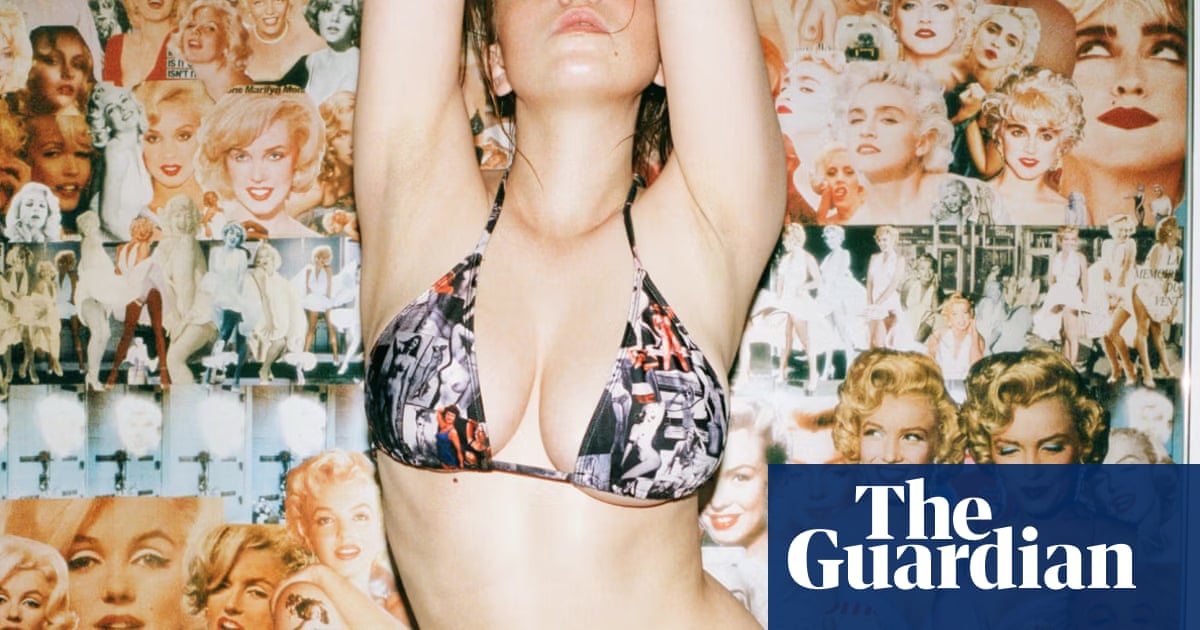
Examples span several London institutions. The National Portrait Gallery’s Marilyn Monroe show includes cat-eye sunglasses, a limited-edition lipstick, and a baseball cap with her signature. Tate Modern is selling cat feeding bowls and cat-shaped hair clips for Tracey Emin’s exhibition. The V&A in Dundee has tied products to a catwalk-themed show with hairspray and gold scissors, while Dick Jewell’s work is being sold through bikinis printed with imagery from his collage. The article also notes items from Schiaparelli, Rose Wylie, Lucian Freud, Wes Anderson, and V&A East Museum.
Why museums like the model
Ed Simpson of the National Portrait Gallery says the team spent 18 months developing the Monroe line and wanted products that interpret an exhibition without being too literal. Anna Chase-Roberts at the V&A says merch is now something visitors expect, and it is also a meaningful revenue source. The V&A reported £1.1m in merchandise sales tied to its Taylor Swift exhibition over seven weeks, its highest level ever recorded.
Cultural capital, not just souvenirs
The piece frames this as more than souvenir shopping. Bridget Dalton of Truth Consulting argues the appeal lies in cultural capital: buying an item that signals taste, institutional support, and fashion awareness at once. The article also links the trend to younger audiences, especially gen Z, who share “museum haul” videos on TikTok and may be drawn into visiting by the products themselves. In that sense, museum retail is becoming part of how exhibitions are marketed, experienced, and monetized.
Key points
- Museum gift shops are being redesigned as curated shopping destinations, not just exit points.
- Merch is increasingly tied closely to specific exhibitions and artists rather than generic souvenirs.
- Museums see the strategy as both an interpretive tool and a major source of revenue.
- Social media, especially gen Z museum-haul videos, is helping make the shops part of the attraction.
- The trend blends cultural taste, brand signalling, and retail into one experience.